Japonisme – The Influence Of Japanese Art On Western Artists
by David Fox
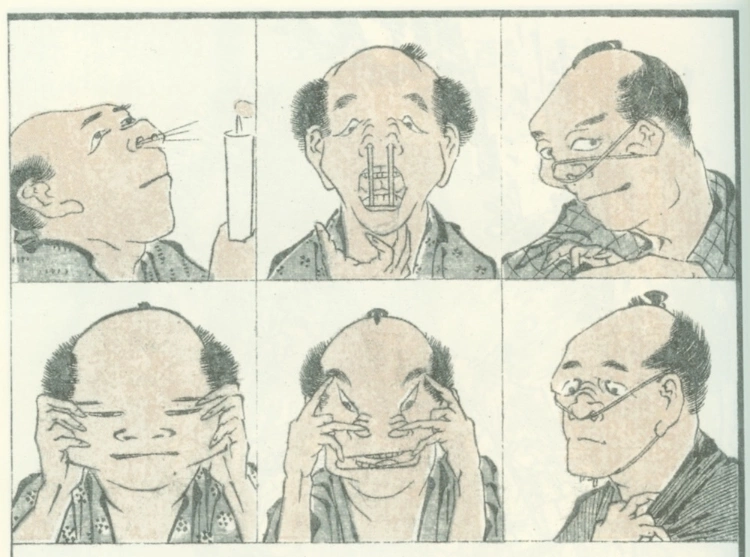
Over 150,000 Japanese woodblock prints flooded into Paris between 1856 and 1870, fundamentally reshaping the trajectory of European painting, printmaking, and decorative arts. The Japanese art influence on Western artists — a phenomenon known as Japonisme — ranks among the most consequential cross-cultural exchanges in art history. From Monet's water lilies to Van Gogh's bold outlines, the aesthetic principles of ukiyo-e masters like Hokusai and Hiroshige permeated nearly every major Western art movement of the late nineteenth and early twentieth centuries. Understanding this exchange reveals how artistic innovation often emerges not from isolation, but from collision.
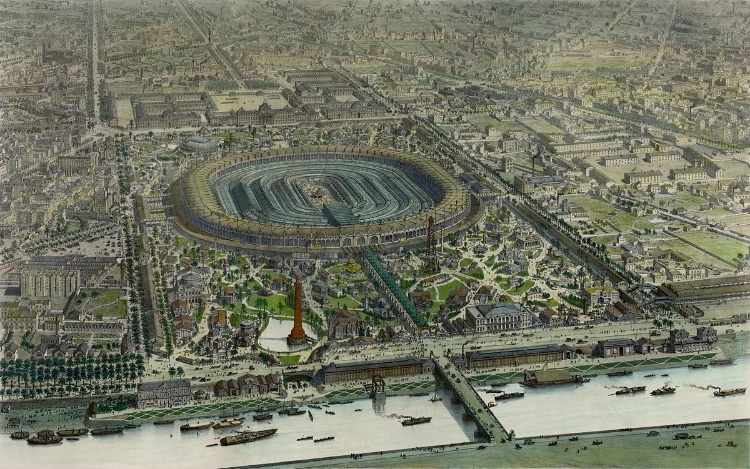
Japan's self-imposed isolation under the Tokugawa shogunate lasted over two hundred years. When Commodore Matthew Perry forced open Japanese ports in 1853, the resulting trade unleashed a torrent of ceramics, textiles, fans, and — most critically — woodblock prints into Western markets. European artists encountered a visual language that contradicted nearly every convention they had been taught: flattened perspective, asymmetrical composition, bold color fields, and an embrace of empty space as a compositional element rather than a void to be filled.
The impact was immediate and far-reaching. Within a generation, Japonisme had touched Impressionism, Post-Impressionism, Art Nouveau, and the early seeds of modernist abstraction. The artists who absorbed these lessons did not merely copy Japanese motifs — they internalized structural principles that liberated Western art from centuries of academic rigidity.
Contents
How Japanese Art Reached the West
World Fairs and the Print Trade
The 1862 International Exhibition in London and the 1867 Exposition Universelle in Paris served as pivotal moments. Japanese pavilions displayed ukiyo-e prints, lacquerware, and textiles to audiences who had never encountered such work. The effect on attending artists was electric.
- Félix Bracquemond discovered a volume of Hokusai's Manga used as packing material for ceramics in 1856 — one of the earliest documented encounters
- The dealer Siegfried Bing opened his shop L'Art Nouveau in Paris, becoming the primary conduit for Japanese prints reaching European collectors
- By the 1870s, Japanese print shops had emerged across Paris, London, and Amsterdam
- Print prices remained low enough for even struggling artists to build personal collections
Key Collectors and Dealers
Several figures played outsized roles in transmitting Japanese aesthetics to Western studios:
- Siegfried Bing — published the journal Le Japon artistique (1888–1891), distributing reproductions to subscribers across Europe
- Philippe Burty — the critic who coined the term "Japonisme" in 1872
- Tadamasa Hayashi — a Japanese dealer who sold over 156,000 prints in Paris between 1878 and 1906
- Ernest Fenollosa — an American scholar who catalogued Japanese art in Boston, influencing the next generation of art historians
Common Misunderstandings About Japonisme
The Imitation Myth
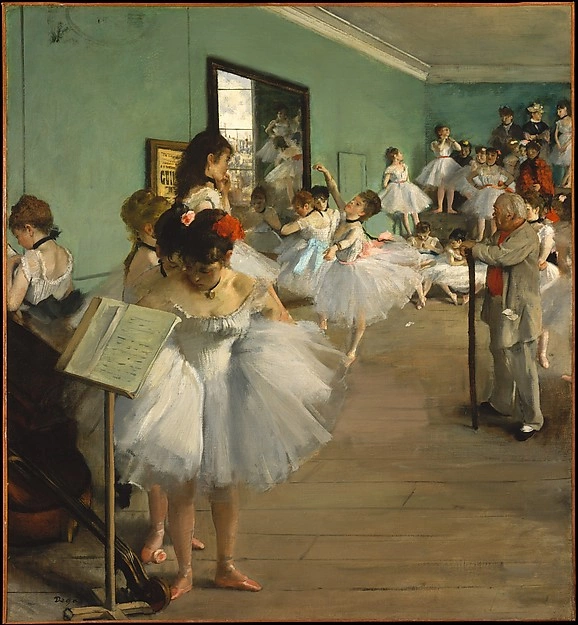
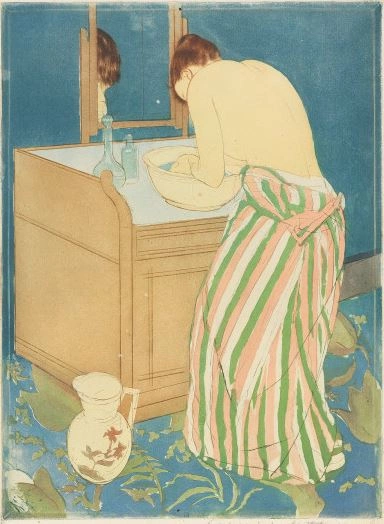
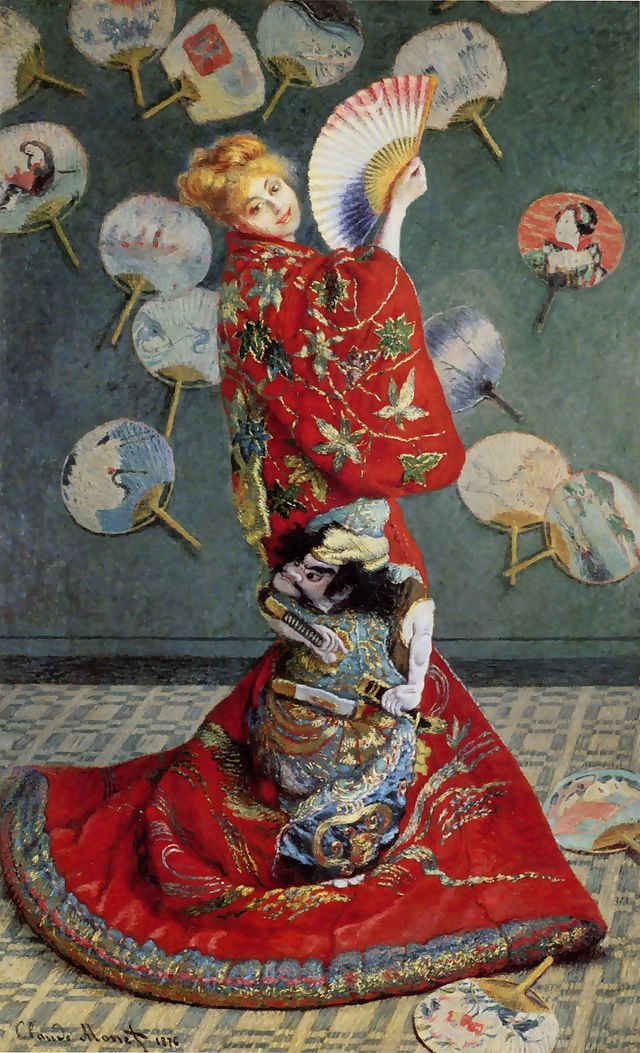
A persistent misconception frames Japonisme as simple mimicry — Western artists copying Japanese motifs onto European canvases. This reading is superficial. While some decorative applications did amount to surface-level borrowing (kimono fabrics in portraits, cherry blossoms as background filler), the deeper influence operated at the level of compositional grammar. Artists like Edgar Degas and Mary Cassatt absorbed structural lessons about cropping, asymmetry, and elevated viewpoints that permanently altered their approach to picture-making.
Other common errors include:
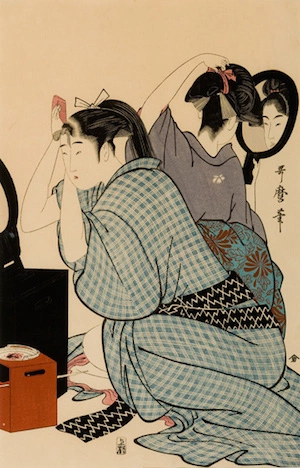
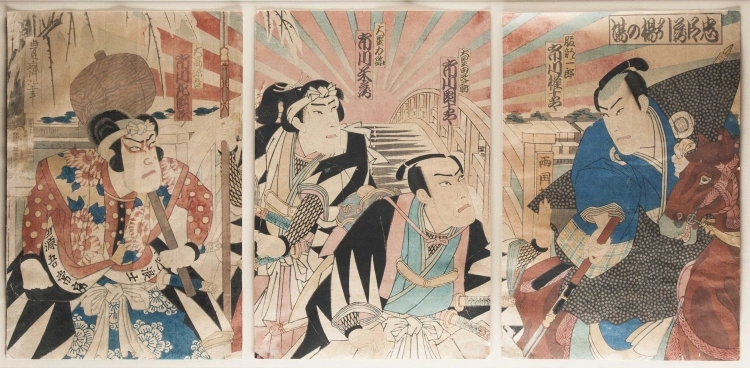
- Assuming all Japanese prints are by Hokusai — Hiroshige, Utamaro, Kuniyoshi, and dozens of others were equally collected
- Treating Japonisme as a single movement rather than a diffuse, decades-long absorption
- Ignoring the reciprocal influence — Japanese artists simultaneously studied Western perspective and oil painting techniques
- Conflating appreciation with understanding — many Western collectors misidentified subjects, misread inscriptions, and imposed European narratives onto Japanese imagery
Overlooked Media and Crafts
Discussions of Japanese art influence on Western artists typically focus on painting and printmaking, but the impact extended well beyond fine art:
- Ceramics — Bracquemond's Japonisme-inspired dinner service for Rousseau (1867) predated most painted responses
- Textiles and fashion — Liberty of London built an empire on Japanese-inflected fabric designs
- Architecture — Frank Lloyd Wright collected ukiyo-e prints extensively; scholars trace connections between Japanese spatial concepts and his open floor plans
- Garden design — Monet's garden at Giverny was a deliberate re-creation of Japanese aesthetic principles
Core Techniques Western Artists Absorbed
Composition and Spatial Principles
The Japanese art influence on Western artists manifested most profoundly through compositional techniques that challenged the Renaissance tradition of central perspective and balanced symmetry.
| Principle | Japanese Origin | Western Adoption | Notable Example |
|---|---|---|---|
| Asymmetrical balance | Ukiyo-e prints | Degas, Cassatt, Bonnard | Degas's L'Absinthe (off-center figures) |
| Flattened picture plane | Lack of chiaroscuro modeling | Gauguin, Nabis group | Gauguin's Cloisonnist paintings |
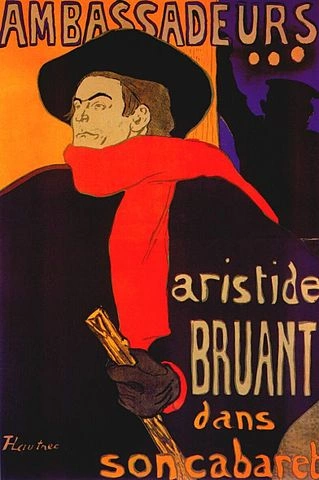
| Cropped compositions | Figures cut by frame edges | Degas, Toulouse-Lautrec | Lautrec's poster designs |
| Elevated viewpoint | Bird's-eye perspective in landscapes | Van Gogh, Caillebotte | Caillebotte's Paris Street; Rainy Day |
| Diagonal emphasis | Dynamic compositional axes | Whistler, Monet | Whistler's Nocturne series |
| Negative space (ma) | Intentional emptiness as design element | Art Nouveau designers | Aubrey Beardsley's illustrations |
Color, Line, and Surface
Japanese prints employed bold outlines filled with flat areas of unmodulated color — a stark contrast to the tonal gradations of academic European painting. This approach resonated with artists already questioning academic conventions.
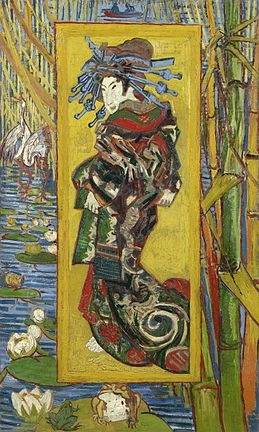
- Van Gogh copied multiple Hiroshige prints in oil, deliberately preserving the flat color areas and dark outlines
- The Nabis group (Bonnard, Vuillard, Denis) adopted decorative patterning directly from Japanese textile and screen designs
- Art Nouveau's signature flowing lines derive in large part from the organic curves of Japanese natural motifs
- Whistler's tonal harmonies — his "Nocturnes" and "Arrangements" — drew from Japanese concepts of restraint and atmospheric suggestion
From Casual Admirer to Serious Scholar
Entry Points for Newcomers
For those beginning to explore how Japanese art influence on Western artists shaped modern aesthetics, a structured approach yields the richest understanding:
- Study Hokusai's Thirty-Six Views of Mount Fuji and Hiroshige's One Hundred Famous Views of Edo — these two series account for the majority of prints Western artists encountered
- Visit the Wikipedia overview of Japonisme for a comprehensive timeline and bibliography
- Compare Van Gogh's copies of Hiroshige side-by-side with the originals — the Van Gogh Museum offers digital reproductions of both
- Explore the cultural significance of manga and anime to understand how Japanese visual storytelling continues to shape global art
Advanced Research and Connoisseurship
Serious scholars and collectors should pursue deeper engagement:
- Learn to read cartouches (title blocks) on ukiyo-e prints — publisher marks, artist signatures, and censor seals provide dating and provenance information
- Study the difference between early impressions (vivid color, sharp lines) and later impressions (faded, worn blocks) — this distinction affects both interpretation and market value
- Examine correspondence archives — Van Gogh's letters to Theo contain extensive passages about Japanese prints, revealing his intellectual framework for absorption
- Track the provenance chains of major collections — many prints now in museums passed through Bing's or Hayashi's hands
- Cross-reference exhibition catalogues from the 1860s–1890s to determine which specific prints were available to which artists
How to Identify Japanese Influence in a Western Painting
A Visual Checklist
When examining a Western painting from approximately 1860 to 1920, the following markers suggest Japanese art influence on Western artists at work:
- Check the horizon line — Japanese-influenced works often place it unusually high, creating a tilted or bird's-eye perspective
- Look for cropping — figures or objects cut off by the frame edge indicate awareness of ukiyo-e compositional strategies
- Assess the outlines — bold, visible contour lines surrounding flat color areas reflect the woodblock print aesthetic
- Examine the background — large areas of unmodulated color or deliberate emptiness suggest the influence of ma (negative space)
- Note decorative patterning — flattened textile patterns rendered without perspectival distortion echo Japanese screen painting
- Identify subject matter — scenes of daily life, courtesans, actors, bridges, and nature motifs carried specific associations in the Japonisme period
Case Studies
Vincent van Gogh amassed over 600 Japanese prints during his time in Paris. His painting Japonaiserie: Flowering Plum Tree (1887) is a near-direct copy of Hiroshige's Plum Park in Kameido, but Van Gogh added a vivid orange border filled with Japanese calligraphy — demonstrating both homage and creative reinterpretation.
Henri de Toulouse-Lautrec absorbed the flat color planes, bold outlines, and dramatic cropping of ukiyo-e prints into his poster designs. His Ambassadeurs: Aristide Bruant poster employs a silhouette technique directly analogous to Japanese actor prints by Sharaku.
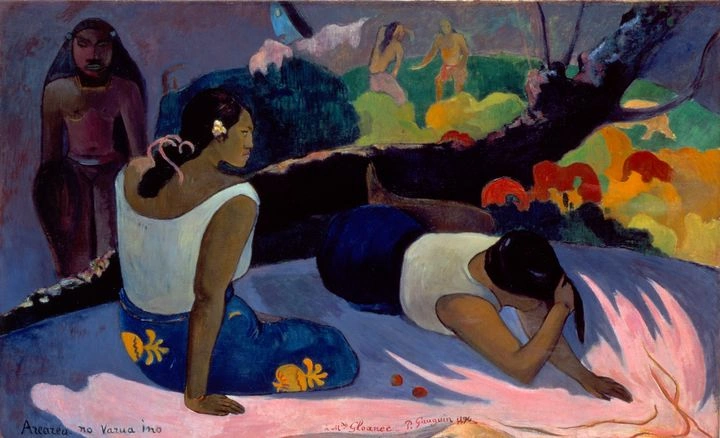
James Abbott McNeill Whistler was among the earliest Western painters to collect Japanese art. His Nocturne series stripped landscapes to atmospheric tonal essences — a restraint and economy directly informed by Japanese ink painting traditions.
Frequently Asked Questions
What is Japonisme?
Japonisme refers to the broad influence of Japanese art, design, and aesthetics on Western art and culture, particularly from the 1860s through the early 1900s. The term was coined by French critic Philippe Burty in 1872 to describe the growing fascination with Japanese visual culture among European artists, collectors, and designers.
Which Western artists were most influenced by Japanese art?
Claude Monet, Vincent van Gogh, Edgar Degas, Mary Cassatt, James McNeill Whistler, Henri de Toulouse-Lautrec, and Paul Gauguin represent the most prominent figures. The influence also extended to designers like Aubrey Beardsley, architects like Frank Lloyd Wright, and the entire Art Nouveau movement.
How did Japanese prints first arrive in Europe?
Following the forced opening of Japanese ports in 1853, trade goods including ceramics, textiles, and woodblock prints entered European markets. Prints were sometimes used as packing material for ceramics, leading to accidental discoveries. The 1862 London and 1867 Paris international exhibitions provided the first large-scale public exposure.
Did Japanese artists influence Western art beyond painting?
The influence extended into ceramics, textiles, furniture design, architecture, garden design, typography, and poster art. Art Nouveau as a movement owes significant debts to Japanese organic forms, while Frank Lloyd Wright's architectural philosophy reflects Japanese spatial concepts.
What specific techniques did Western artists borrow from Japanese prints?
Key borrowed techniques include asymmetrical composition, flattened picture planes without traditional perspective, bold outlines with flat color fills, elevated or bird's-eye viewpoints, dramatic cropping of figures at frame edges, and the deliberate use of negative space as a compositional element.
Is Japonisme the same as Orientalism?
No. While both involve Western engagement with non-Western cultures, Orientalism typically refers to European depictions of the Middle East and North Africa, often laden with colonial stereotypes. Japonisme specifically concerns the absorption of Japanese aesthetic principles and, at its best, involved genuine formal study rather than mere exoticization — though superficial borrowing certainly occurred.
How does the legacy of Japonisme continue in contemporary art?
The flattened picture plane, bold outlines, and decorative patterning that entered Western art through Japonisme became foundational elements of modernism. Contemporary graphic design, illustration, comics, and animation all bear traces of this exchange. The ongoing global influence of manga and anime represents a continuation of cross-cultural artistic dialogue between Japan and the West.
Final Thoughts
Japonisme remains one of art history's most instructive examples of how cultural exchange transforms creative practice. The next step for any serious student of this subject is direct visual comparison: place a Hiroshige landscape beside a Monet, a Sharaku actor portrait beside a Toulouse-Lautrec poster, and trace the formal connections firsthand. Museums with strong Japanese print collections — the Museum of Fine Arts Boston, the British Museum, the Musée Guimet — offer the best opportunity to experience these works at full scale and appreciate the technical brilliance that captivated an entire generation of Western artists.


About David Fox
David Fox is an artist and writer whose work spans painting, photography, and art criticism. He created davidcharlesfox.com as a platform for exploring the history, theory, and practice of visual art — covering everything from Renaissance masters and modernist movements to contemporary works and the cultural context that shapes how art is made and received. At the site, he covers art history, architecture, anime art and culture, collecting guidance, and profiles of influential artists across centuries and movements.
Now get FREE Gifts. Or latest Free phones here.
Disable Ad block to reveal all the secrets. Once done, hit a button below