Best Chair For Artists: Reviews, Buying Guide, FAQs 2026
by David Fox
After testing dozens of studio and office chairs, the Herman Miller Aeron stands out as our top pick for artists who spend long hours at the easel or drawing tablet — its mesh design and fully adjustable lumbar support keep you comfortable through marathon creative sessions. Whether you paint, sculpt, illustrate digitally, or sketch traditionally, your chair directly affects your posture, focus, and output quality.
Artists have unique seating needs compared to typical office workers. You might shift between a standing easel and a seated drawing table, lean forward to work on fine details, or spend hours in one position while layering a painting. A good art studio chair needs to support these varied positions without fighting your body. The wrong chair leads to back pain, stiff shoulders, and shorter creative sessions — problems that compound over years and can seriously impact your ability to work.

We evaluated each chair on this list based on ergonomic adjustability, build quality, comfort during extended use, and value for money. Whether you need a tall drafting chair for an easel or an ergonomic task chair for digital illustration, this 2026 guide has you covered. According to the Occupational Safety and Health Administration (OSHA), proper workstation ergonomics can prevent musculoskeletal disorders — making the right chair an investment in your long-term health as a creative professional.
Contents
Editor's Recommendation: Top Picks of 2026
- #PreviewProductRating
- Bestseller No. 1
 Rating:

- Bestseller No. 2
 Rating:
 - Bestseller No. 3
 Rating:
 - Bestseller No. 4
 Rating:
 - Bestseller No. 5
 Rating:
 - Bestseller No. 6
 Rating:
 - Bestseller No. 7
 Rating:
Detailed Product Reviews
1. HAG Capisco Adjustable Standing Desk Chair — Best for Versatile Studio Positions
The HAG Capisco is unlike any other chair on this list, and that is exactly why artists love it. Its saddle-style seat lets you sit facing forward, sideways, or even backwards — perfect for those moments when you need to lean into a canvas or shift your angle while sketching. The design encourages constant micro-movements, which keeps blood flowing during long studio sessions and reduces the stiffness that comes from sitting still for hours.
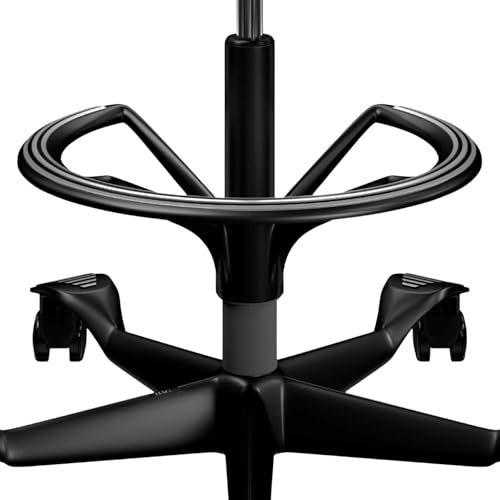
What makes the Capisco stand out for artists specifically is its compatibility with standing-height desks and easels. The height range is enormous, letting you transition between full sitting and a perched standing position without swapping chairs. The included footring gives your feet a solid resting place at higher seat positions, which reduces pressure on your knees and thighs. If you work at a traditional easel or a drafting table, this chair adapts to your setup rather than forcing you to adapt to it.
Build quality is solid. The Camira Era fabric is durable and easy to clean — a genuine plus if you work with paints, charcoal, or pastels that tend to get everywhere. The gas lift is smooth, and the base feels stable even at maximum height. This is a chair built for people who move while they work.
Pros:
- Saddle seat allows forward, backward, and sideways sitting positions
- Exceptional height range works with standing desks and tall easels
- Footring included for comfortable elevated seating
- Encourages active sitting and reduces stiffness
- Durable, easy-to-clean fabric ideal for messy studio environments
Cons:
- Premium price point — this is an investment chair
- Saddle seat takes a week or two to get used to if you have only used traditional chairs
2. Herman Miller Aeron Executive Office Chair — Best Overall for Long Sessions
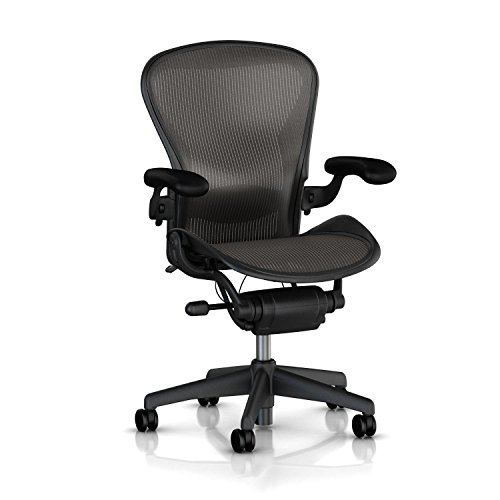
The Herman Miller Aeron has been the gold standard in ergonomic seating for over two decades, and it earns that reputation every single day. For digital artists, illustrators, and graphic designers who spend 8+ hours at a desk with a drawing tablet or monitor, this chair is hard to beat. The patented Pellicle mesh distributes your weight evenly across the seat and back, eliminating the pressure points that cause you to shift and fidget during detailed work.
The Aeron's adjustability is where it truly shines for artists. Fully adjustable arms let you position your elbows at exactly the right height for drawing tablet work. The forward tilt feature is a game-changer — it tips the seat pan forward slightly, which is ideal when you are leaning toward a screen or surface to work on fine details. The PostureFit lumbar support maintains the natural S-curve of your spine even when you are hunched over intricate linework. If you have ever tried working on a magnetic drawing board or tablet for hours, you know how critical proper back support is.
This is the Size B (medium) model with stainless steel accents. The 12-year warranty speaks to Herman Miller's confidence in the build quality, and the 30-day money-back guarantee means you can test it in your actual studio setup risk-free. Yes, the price is steep. But when you calculate the cost per hour of comfortable, productive creative work over a decade, it is one of the smartest purchases an artist can make.
Pros:
- Best-in-class ergonomic support for marathon creative sessions
- Forward tilt function ideal for leaning into detailed work
- Breathable mesh keeps you cool — no sweaty back during summer studio work
- 12-year warranty and 30-day return policy
- Fully adjustable arms perfect for drawing tablet positioning
Cons:
- Highest price on this list by a significant margin
- Open box model — inspect thoroughly on arrival
- Not ideal for standing-height desks or easels due to limited seat height range
3. Steelcase Leap V2 Office Chair — Best for Adjustable Back Flex
The Steelcase Leap V2 takes a fundamentally different approach to back support than the Aeron. Instead of a rigid frame with mesh, the Leap's backrest flexes and moves with your spine as you shift positions. For artists who constantly move between leaning back to assess their work and hunching forward to add detail, this adaptive support is phenomenal. The chair does not fight your movements — it follows them.
This is a remanufactured model from Crandall Office, which is worth noting. Crandall is well-known in the office chair community for their thorough refurbishment process — they replace the foam, fabric, gas cylinder, and arm pads while keeping the proven steel frame and mechanism. You get the same Steelcase engineering at a lower price, and it still comes with a 12-year warranty. The Leap V2 features independent upper and lower back adjustments, adjustable seat depth, and 4-way adjustable arms. The seat depth slider is especially useful for artists of different heights.
One thing that sets the Leap apart for creative work: the Natural Glide System. When you recline, the seat slides forward slightly to keep your eyes at the same level relative to your monitor or canvas. You can lean back to think about composition or color choices without losing your visual reference point. It is a small detail, but working artists notice it immediately.
Pros:
- LiveBack technology flexes with your spine for natural movement support
- Natural Glide System keeps your eye level consistent when reclining
- Remanufactured model offers premium ergonomics at a reduced price
- 12-year warranty from Crandall Office
- Adjustable seat depth accommodates different body types
Cons:
- Remanufactured — not a brand-new unit, which matters to some buyers
- Heavier than mesh chairs, harder to move around the studio
4. Flash Furniture Kale Mid-Back Drafting Chair — Best Budget Drafting Chair
If you work at a drafting table or standing-height easel and do not want to spend a fortune, the Flash Furniture Kale is a strong contender. This is a purpose-built drafting chair with a height-adjustable foot ring and extended gas lift that puts you at the right level for elevated work surfaces. The blue mesh back provides decent ventilation, and the mid-back design gives enough support without restricting your shoulder movement — a critical consideration when you are painting or drawing with broad arm movements.
The flip-up arms are a thoughtful feature for artists. When you need them for resting your elbows during tablet work, they are there. When they get in the way of your arm movements while painting, flip them up and out of the way in one motion. The tilt lock lets you find a comfortable angle and lock it in, which is handy when you want a slight forward lean for close-up detail work. The lumbar support is basic but functional.
Build quality is decent for the price point. The mesh back will not last as long as a Herman Miller or Steelcase, but for artists who need an affordable elevated seating solution — especially in a secondary studio space or home art corner — the Kale delivers solid ergonomics without the premium price tag. If you are setting up a photography backdrop area alongside your art station, having a versatile, budget-friendly chair you can move around the room is a genuine advantage.
Pros:
- Affordable drafting-height chair with extended range gas lift
- Flip-up arms get out of the way for painting and drawing
- Adjustable foot ring for comfortable elevated sitting
- Breathable mesh back with lumbar support
- Tilt lock and tension control for positioning flexibility
Cons:
- Mesh quality will not match premium chairs over years of daily use
- Seat cushion is thin — consider adding a pad for sessions over 4 hours
5. CLATINA Drafting Chair (2-Pack) — Best Value for Shared Studios
The CLATINA comes in a two-pack, which instantly makes it the best value option if you need to furnish a shared art studio, classroom, or workshop space. But do not dismiss it as a bulk-buy compromise — this chair packs genuine ergonomic features that hold up to daily creative work. The curved backrest follows your spine's natural shape, and the adjustable lumbar support moves up and down about 2.8 inches to fit different body types.
For artists, the adjustable foot ring and extended height range mean you can use this at a drafting table or standing desk without issue. The 90-degree flip-up arms work just like the Flash Furniture model — arms down for support, arms up when they are in your way. The 360-degree swivel lets you rotate between multiple work surfaces without standing up, which is useful if your studio has supplies on one side and your canvas on the other.
The mesh is breathable and the seat cushion is 2.8 inches thick with high-density foam. That is thicker than most chairs at this price point, and you will notice the difference during hour three and beyond. If you are teaching art classes or running a community studio, getting two solid drafting chairs at the price of one premium chair is a practical decision that does not sacrifice too much in terms of comfort or durability.
Pros:
- Two chairs per order — exceptional value for studios and classrooms
- Adjustable lumbar support with 2.8-inch vertical range
- Thick high-density foam seat cushion for extended comfort
- Flip-up arms and adjustable foot ring standard
- Full swivel and smooth-rolling casters
Cons:
- Assembly instructions could be clearer
- Armrest padding is basic compared to premium chairs
6. Boss Office Products Drafting Stool — Best Compact Drafting Stool
Sometimes you do not need a full-featured ergonomic chair. Sometimes you need a simple, sturdy stool that gets you to the right height and stays out of your way. The Boss Office Products Drafting Stool fills that role perfectly. With a compact 16" x 16" seat and a 6-inch height adjustment range (28" to 34"), it fits into tight studio corners where a full-size chair would be too bulky. The back cushion provides just enough support to keep you from slouching without restricting your range of motion.
The chrome finish on the base, footring, and gas lift gives it a clean, professional look that works in both home studios and commercial art spaces. Dual-wheel casters roll smoothly on hard floors and low-pile carpet. The 275-pound weight capacity is standard for this category. This is a no-frills chair that does what it promises without unnecessary complexity.
For artists who work at standing easels and need to sit periodically for rest, or for those who use a drafting table for architectural drawing and illustration, this stool provides the right seating height at a very accessible price. It is also a solid secondary chair — keep it near your supply table or cutting mat for tasks that do not require hours of continuous sitting.
Pros:
- Compact footprint ideal for small or crowded studios
- Simple and durable — fewer moving parts means less to break
- Chrome footring and base look professional
- 6-inch height adjustment range covers most drafting table heights
- Very affordable entry point
Cons:
- Minimal back support — not designed for all-day seated work
- No armrests, which some artists prefer for elbow support
7. NEO CHAIR Ergonomic Mesh Chair — Best Entry-Level Desk Chair
The NEO CHAIR is the most affordable full-featured desk chair on this list, and it punches above its weight for the price. The breathable mesh back keeps air flowing, and the thick molded foam seat provides genuine comfort that does not bottom out after a few months. For artists who primarily work at a standard desk height — digital illustration, photo editing, or graphic design — this chair covers the ergonomic basics at a price that leaves budget for actual art supplies.
What sets the NEO apart from other budget chairs is its certification pedigree. The gas lift is BIFMA and SGS-certified for safety, and the seat structure uses FSC-certified wood internally. These are not just marketing checkboxes — they mean the chair has been tested to real safety standards. The lumbar support is mid-back positioned, and the swivel is smooth on the included casters. Height adjustment is standard pneumatic.
This is not a chair that will compete with a Herman Miller or Steelcase in terms of long-term durability or advanced adjustability. But for students, hobbyist artists, or anyone setting up their first dedicated creative workspace in 2026, the NEO CHAIR delivers comfort and basic ergonomics at a price that makes it an easy recommendation. If you are exploring digital art or large-format printing for architectural work, your chair does not need to cost more than your equipment.
Pros:
- Most affordable option on this list by a significant margin
- BIFMA/SGS safety certifications for gas lift and structure
- Thick molded foam seat comfortable for 4-5 hour sessions
- Breathable mesh back prevents overheating
- Clean, simple design that fits any workspace aesthetic
Cons:
- No adjustable armrests — they are fixed in position
- Standard desk height only — not suitable for drafting tables or easels
- Limited adjustability compared to mid-range and premium options
Choosing the Right Chair for Artists: A Buying Guide
Desk Height vs. Drafting Height
The single most important decision is matching your chair to your work surface. Standard desk-height chairs (like the Aeron, Leap V2, and NEO CHAIR) work best for digital artists at computer desks, typically 28-30 inches tall. Drafting-height chairs (like the Flash Furniture Kale, CLATINA, and Boss stool) are built for elevated surfaces — drafting tables, standing desks, and traditional easels that sit 36-44 inches high. Buying a standard chair for a drafting table means you will be reaching up uncomfortably. Buying a drafting chair for a regular desk means the foot ring hits the floor awkwardly. Measure your work surface first, then choose your chair category.
Adjustability for Creative Work
Artists move differently than typical office workers. You lean forward to paint details, lean back to evaluate composition, reach sideways for supplies, and twist to compare reference images. Look for these adjustments:
- Seat height range — wider is better, especially if you use multiple work surfaces
- Tilt lock and forward tilt — lets you lock in a forward-leaning angle for close work
- Adjustable or removable arms — flip-up arms are ideal so they do not block painting motions
- Lumbar depth and height — your lower back needs support in both upright and leaning positions
- Seat depth slider — prevents the seat edge from pressing into the back of your knees
Material Durability in the Studio
Art studios are messy. Paint splatters, charcoal dust settles, clay residue transfers from your hands to your chair daily. Mesh chairs are the easiest to clean — a damp cloth or compressed air handles most messes. Fabric upholstery absorbs stains and pigments permanently. Leather and faux leather wipe clean but get sticky in warm studios. If you work with wet media (oils, acrylics, watercolors), prioritize mesh or consider a chair cover you can toss in the washing machine.
Budget Considerations for 2026
Chair prices in 2026 range from under $100 for basic models to over $1,000 for premium ergonomic chairs. Here is a practical framework:
- Under $150 — NEO CHAIR, Boss Drafting Stool. Good for part-time use, students, and secondary workstations.
- $150-$400 — Flash Furniture Kale, CLATINA 2-Pack. Solid daily drivers with real ergonomic features.
- $400-$800 — Steelcase Leap V2 (remanufactured). Premium ergonomics at a reduced price.
- $800+ — Herman Miller Aeron, HAG Capisco. Best-in-class chairs that last 10-15 years with warranty coverage.
If you work full-time as an artist, spending more on your chair pays back in fewer chiropractor visits and more productive hours. If art is a weekend hobby, the budget options perform admirably for shorter sessions.
Frequently Asked Questions
What type of chair is best for drawing at a desk?
For drawing at a standard-height desk, an ergonomic task chair with adjustable lumbar support and forward tilt is ideal. The Herman Miller Aeron and Steelcase Leap V2 are the top choices because their forward tilt mechanisms let you lean toward your work while maintaining proper spinal alignment. If you draw on a tablet, look for adjustable armrests that position your elbows at a natural height to reduce shoulder strain.
Do I need a drafting chair for an easel?
Yes, if you regularly sit while painting at an easel. Standard office chairs do not go high enough — most top out around 20-22 inches, while easel work requires a seat height of 24-34 inches. Drafting chairs like the Flash Furniture Kale, CLATINA, and Boss stool are specifically designed for this height range and include foot rings to support your legs at the elevated position. The HAG Capisco also works at standing height if you prefer a saddle-style seat.
How many hours can you comfortably sit in an ergonomic chair?
A high-quality ergonomic chair like the Aeron or Leap V2 supports comfortable sitting for 8-10 hours when properly adjusted. However, ergonomics experts recommend standing or walking for 5-10 minutes every hour regardless of your chair quality. For artists, these breaks also help you step back and see your work with fresh eyes — a creative benefit on top of the physical one.
Are mesh chairs better than cushioned chairs for artists?
Mesh chairs offer better temperature regulation and are easier to clean, which matters in a studio environment. High-quality mesh (like the Aeron's Pellicle) distributes weight evenly and lasts for years without sagging. Cushioned chairs (like the Leap V2) offer a softer initial feel and better edge support. For artists working in warm studios or with messy media, mesh is the more practical choice. For comfort purists who keep a clean workspace, cushioned seats feel more luxurious.
Can I use a regular office chair for digital art and illustration?
Absolutely. Digital artists work at standard desk heights, so any quality ergonomic office chair works well. The key features to prioritize are adjustable armrests (for tablet and mouse positioning), lumbar support (for maintaining posture during long rendering sessions), and a seat that is wide enough for you to occasionally sit cross-legged — many illustrators find this position comfortable for brainstorming and sketching phases.
What is the best chair for artists on a tight budget in 2026?
The NEO CHAIR at under $100 is the best entry-level option for desk-height work. For drafting-height needs, the CLATINA two-pack offers the best per-chair value. If your budget allows around $400-500, a remanufactured Steelcase Leap V2 gives you 90% of the premium experience at roughly half the retail price. Whichever you choose, prioritize adjustable lumbar support and seat height — these two features make the biggest difference in daily comfort.
Buy on Walmart
- HAG Capisco Adjustable Standing Desk Chair - Camira Era Seat — Walmart Link
- Herman Miller Aeron Executive Office Chair-Stainless Steel, — Walmart Link
- Steelcase Leap V2 Office Chair - Remanufactured by Crandall — Walmart Link
- Flash Furniture Kale Mid-Back Blue Mesh Ergonomic Drafting C — Walmart Link
- CLATINA Drafting Chair Tall Office Chair, High Chairs with F — Walmart Link
- Boss Office Products Drafting Stool with Back Cushion, Grey — Walmart Link
- NEO CHAIR Office Desk Ergonomic Computer Mesh Chair with Lum — Walmart Link
Buy on eBay
- HAG Capisco Adjustable Standing Desk Chair - Camira Era Seat — eBay Link
- Herman Miller Aeron Executive Office Chair-Stainless Steel, — eBay Link
- Steelcase Leap V2 Office Chair - Remanufactured by Crandall — eBay Link
- Flash Furniture Kale Mid-Back Blue Mesh Ergonomic Drafting C — eBay Link
- CLATINA Drafting Chair Tall Office Chair, High Chairs with F — eBay Link
- Boss Office Products Drafting Stool with Back Cushion, Grey — eBay Link
- NEO CHAIR Office Desk Ergonomic Computer Mesh Chair with Lum — eBay Link
Key Takeaways
- The Herman Miller Aeron is the best overall chair for artists who work long hours at a desk, thanks to its forward tilt, breathable mesh, and 12-year warranty.
- For easel and drafting table work, the HAG Capisco offers unmatched versatility with its saddle seat and wide height range, while the Flash Furniture Kale delivers solid drafting-height ergonomics on a budget.
- The Steelcase Leap V2 (remanufactured) hits the sweet spot between premium ergonomics and reasonable pricing — its adaptive backrest is ideal for artists who constantly shift positions.
- Match your chair to your work surface height first, your budget second, and specific features third — getting the height category wrong negates every other benefit.


About David Fox
David Fox is an artist and writer whose work spans painting, photography, and art criticism. He created davidcharlesfox.com as a platform for exploring the history, theory, and practice of visual art — covering everything from Renaissance masters and modernist movements to contemporary works and the cultural context that shapes how art is made and received. At the site, he covers art history, architecture, anime art and culture, collecting guidance, and profiles of influential artists across centuries and movements.
Now get FREE Gifts. Or latest Free phones here.
Disable Ad block to reveal all the secrets. Once done, hit a button below