Dana Ashbrook: Bobby Briggs in Twin Peaks
by David Fox
What makes a television performance transcend its medium and become a genuine piece of cultural art? In the case of Dana Ashbrook Bobby Briggs Twin Peaks, the answer lies in a volatile mix of raw talent, fearless direction, and a character who embodied the dark underbelly of small-town America in ways that still resonate with audiences decades later. Our team at DavidCharlesFox considers Ashbrook's portrayal of Bobby Briggs one of the most underappreciated performances in the history of television as an art commentary medium, and we believe most fans have barely scratched the surface of what makes it so compelling.
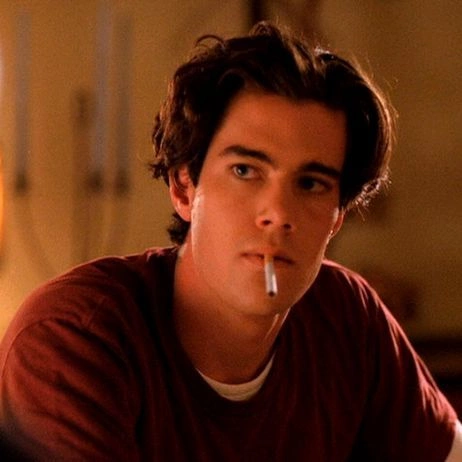
Dana Ashbrook brought something genuinely dangerous to Bobby Briggs, a character who could have easily been reduced to a one-dimensional high school rebel archetype. Instead, Ashbrook layered vulnerability, rage, humor, and heartbreak into a performance that David Lynch clearly trusted enough to expand across three decades of storytelling. The evolution from the original series through Twin Peaks: Fire Walk with Me and into Twin Peaks: The Return represents one of the most satisfying character arcs in television history.
Our team has spent considerable time analyzing the artistic merits of Lynch's television work, much like our exploration of how abstract expressionism and pop art intersect in unexpected ways, and we keep returning to Ashbrook's Bobby as a case study in how popular entertainment can achieve genuine artistic depth. This guide breaks down everything worth knowing about the performance, the actor, and the cultural legacy.
Contents
- Essential Scenes That Define Dana Ashbrook as Bobby Briggs
- Misconceptions Most Viewers Get Wrong About Ashbrook's Career
- Tracing Bobby's Arc Across All Three Seasons
- Collecting Twin Peaks Art and Memorabilia
- Casual Viewers vs. Devoted Fans: Reading Bobby Briggs Differently
- Myths About Dana Ashbrook Bobby Briggs Twin Peaks That Need Correcting
- Where Dana Ashbrook's Influence Surfaces in Pop Culture
Essential Scenes That Define Dana Ashbrook as Bobby Briggs
Anyone diving into Twin Peaks for the first time—or revisiting it after years away—benefits from knowing which scenes best showcase what Ashbrook brought to the role. Our team has identified the moments that demonstrate his full range as a performer within Lynch's singular artistic vision.
Original Series Highlights
- The funeral scene in the pilot remains one of the most electric moments in television history, with Bobby's outburst at Laura Palmer's graveside shifting from grief to accusation in seconds flat.
- The interrogation scenes with Sheriff Truman showcase Ashbrook's ability to play defiance and terror simultaneously, something most actors twice his age struggle to pull off.
- Bobby's interactions with his father, Major Briggs (Don S. Davis), carry an emotional weight that deepens with every rewatch, particularly the scene where Major Briggs describes his vision of Bobby's future.
- The classroom breakdown after Laura's death reveals a character who processes grief through anger, and Ashbrook plays it without a single false note.
The Return Transformation
When Twin Peaks: The Return premiered on Showtime, audiences were stunned to find Bobby Briggs had become a responsible deputy in the Twin Peaks Sheriff's Department. This transformation felt earned rather than forced, and our team credits that entirely to the emotional groundwork Ashbrook laid in the original series. The scene where Bobby sees Laura's homecoming photo and breaks down crying is, in our firm opinion, among the finest single moments of acting in the entire Lynch filmography.
Misconceptions Most Viewers Get Wrong About Ashbrook's Career
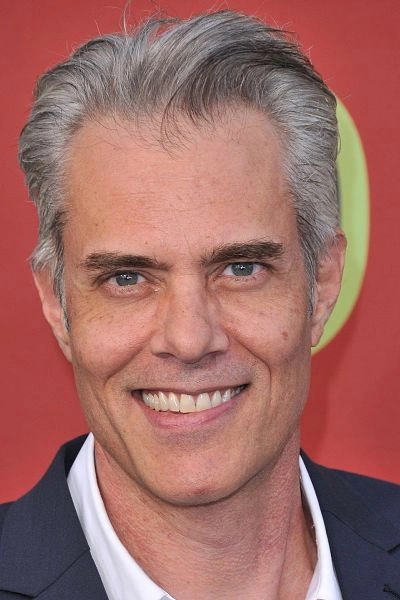
One of the biggest mistakes people make when discussing Dana Ashbrook is reducing his entire career to a single role, and our team finds that reductive approach genuinely frustrating given the breadth of work he has produced.
The Typecasting Assumption
Many people assume Ashbrook was typecast after Twin Peaks, but the reality is far more interesting. He deliberately pursued diverse roles across genres, including horror, comedy, and drama, and brought the same commitment to smaller projects that he showed in Lynch's world. The assumption that he simply faded away says more about audience attention spans than about his actual output.
Range Beyond Bobby
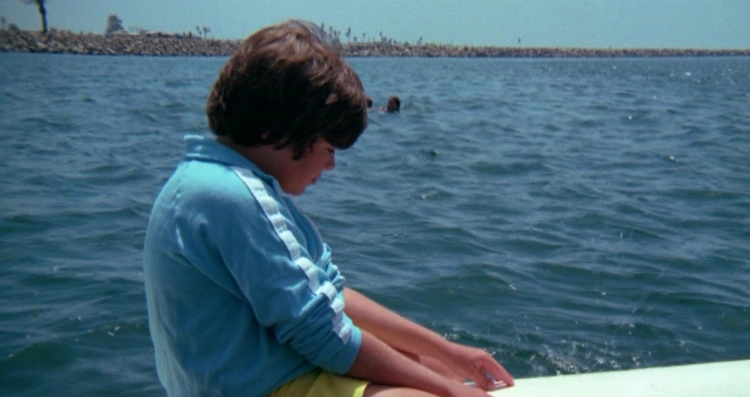
- His comedic work, including Attack of the Killer Tomatoes, demonstrated timing and self-awareness that Bobby Briggs never required.
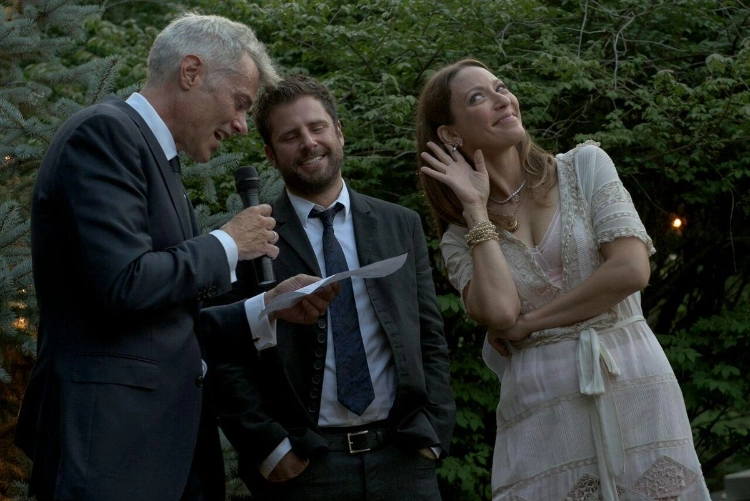
- Guest appearances on series like Psych and Ghost Whisperer showed his ability to integrate into existing ensemble dynamics without dominating the screen.
- Independent film roles gave Ashbrook space to explore quieter, more introspective characters that stand in stark contrast to Bobby's volatility.
Our take: Most actors who define an iconic television role spend their careers fighting against it, but Ashbrook has always embraced Bobby Briggs while simultaneously proving he contains multitudes as a performer.
Tracing Bobby's Arc Across All Three Seasons
Understanding the full trajectory of Bobby Briggs requires watching all iterations of Twin Peaks with an eye toward continuity that most casual viewers miss entirely. Our team considers this one of the most rewarding character studies in American television.
Seasons One and Two
In the original run, Bobby functions as both a suspect and a mirror for the show's central themes of duality and hidden darkness. He is a drug dealer, a cheater, and a bully on the surface, but Ashbrook consistently reveals the frightened kid underneath through small physical choices—a trembling lip here, averted eyes there—that reward attentive viewers. The relationship with Shelly Johnson (Mädchen Amick) adds romantic stakes that ground Bobby's wilder impulses in genuine emotional need, and their chemistry remains one of the show's most reliable pleasures.
The Return Era
The twenty-five-year gap between the original series and The Return becomes Bobby's greatest narrative asset, because Lynch and Frost used real elapsed time to deepen the character in ways that purely fictional aging never achieves. Bobby Briggs the deputy carries every scar from Bobby Briggs the troubled teenager, and Ashbrook plays the weight of accumulated years with remarkable subtlety and restraint throughout the eighteen episodes of the revival.
Collecting Twin Peaks Art and Memorabilia
For anyone interested in the material culture surrounding the show, Twin Peaks memorabilia has become a legitimate collecting category with real market dynamics that our team has tracked closely over the years.
What to Look For
- Original promotional materials and press kits from the early nineties remain the most sought-after items among serious collectors.
- Signed photographs from cast members, including Ashbrook, hold steady value because the Twin Peaks fanbase is remarkably loyal and dedicated.
- Funko Pop figures of characters like Dale Cooper have created an accessible entry point for newer fans who want a tangible connection to the series.
- Limited edition art prints inspired by the show bridge the gap between fan merchandise and gallery-worthy pieces in ways that echo similar crossovers we have explored in our analysis of Cindy Sherman's iconic works and how popular imagery becomes high art.
Price Expectations
| Item Category | Typical Price Range | Rarity | Investment Potential |
|---|---|---|---|
| Original press kits (1990-1991) | $150–$400 | Scarce | High |
| Signed cast photographs | $50–$200 | Moderate | Moderate |
| Funko Pop figures (Dale Cooper, Laura Palmer) | $15–$80 | Common to Rare (chase variants) | Low to Moderate |
| Fan art prints and posters | $20–$100 | Varies | Low |
| VHS/Laserdisc original releases | $30–$120 | Moderate | Moderate |
| Screen-used props (authenticated) | $500–$5,000+ | Extremely rare | Very High |
| The Return premiere memorabilia | $75–$300 | Scarce | High |
Casual Viewers vs. Devoted Fans: Reading Bobby Briggs Differently
The gap between how a casual viewer experiences Bobby Briggs and how a devoted Twin Peaks scholar interprets the same character is enormous, and our team believes that gap reveals something fundamental about how television functions as an art form.
The Surface Reading
Most casual viewers register Bobby as the bad-boy love interest, a stock character who exists primarily to generate romantic tension and provide a suspect pool in the murder mystery framework. This reading is not wrong exactly, but it misses roughly ninety percent of what Ashbrook and Lynch actually built together across the original series, and it completely fails to account for why the character's return hit so powerfully in the revival.
- Surface-level viewers tend to remember Bobby's leather jacket and sneer more than his emotional breakdowns.
- The drug-dealing subplot often overshadows the father-son dynamic with Major Briggs, which our team considers the emotional backbone of the entire character.
- Bobby's humor—particularly his absurd schemes and reactions—gets categorized as comic relief rather than recognized as a survival mechanism.
The Deeper Artistic Reading
Devoted fans and scholars recognize Bobby Briggs as Lynch's commentary on the American masculine ideal and its inevitable failure, a reading that gains tremendous power when considered alongside the director's broader body of work. Ashbrook's physicality in the role—the way he carries tension in his shoulders and jaw—communicates class anxiety, sexual confusion, and desperate performative toughness that words alone could never convey with the same impact.
Myths About Dana Ashbrook Bobby Briggs Twin Peaks That Need Correcting
Our team encounters persistent myths about both the actor and the character that need direct correction, because misinformation diminishes genuine appreciation for what was achieved artistically.
The One-Note Rebel Myth
The myth: Bobby Briggs is essentially James Dean lite, a simple rebel-without-a-cause archetype dropped into a quirky setting.
The reality: Bobby Briggs is one of the most psychologically complex characters in nineties television, and reducing him to a rebel archetype ignores the careful layering that Ashbrook performed across dozens of episodes. His emotional range within single scenes—pivoting from aggression to vulnerability to humor within thirty seconds—puts him closer to the character complexity found in prestige drama than anything in standard network television of that era.
The Improvisation Myth
The myth: Lynch let actors improvise freely, so Ashbrook's performance is mostly spontaneous rather than crafted.
The reality: While Lynch famously creates space for actors to explore, the scripts by Lynch and Mark Frost were detailed and specific, and Ashbrook's work shows clear preparation and consistent character choices that develop across episodes rather than emerging randomly. The emotional continuity of Bobby's arc across all seasons is evidence of deliberate craft, not happy accidents.
Where Dana Ashbrook's Influence Surfaces in Pop Culture
The influence of Twin Peaks on subsequent television, film, and visual art is well documented, but Ashbrook's specific contribution to that legacy often gets folded into broader discussions of the show rather than examined on its own terms, and our team thinks that is a significant oversight.
Television Legacy
- The "reformed bad boy" archetype that dominates contemporary prestige television owes a direct debt to Bobby Briggs, from Jesse Pinkman in Breaking Bad to countless antiheroes who followed.
- Ashbrook's ability to shift between comedic and dramatic registers within Lynch's tonal framework anticipated the kind of performances that shows like Atlanta and Fleabag would later demand from their casts.
- The emotional authenticity Ashbrook brought to genre-blending material proved that actors could play supernatural drama with complete sincerity and still be taken seriously as performers.
Art World Crossover
Twin Peaks has generated a remarkable body of fan art, gallery exhibitions, and academic analysis that treats the show as a legitimate art object rather than mere entertainment. Bobby Briggs appears frequently in fan art that reimagines the character through various artistic lenses, from surrealist portraiture to pop art silk screens, much like the crossover between commercial and fine art imagery that defines so much of contemporary visual culture. The show's aesthetic influence extends into installation art, photography, and digital media in ways that continue to surprise our team with their depth and originality.
Frequently Asked Questions
Who is Dana Ashbrook and why is he famous?
Dana Ashbrook is an American actor best known for playing Bobby Briggs in David Lynch's Twin Peaks, a role he originated in the pilot and reprised across the original series, the film Fire Walk with Me, and the Showtime revival Twin Peaks: The Return, spanning nearly three decades of storytelling.
How did Bobby Briggs change between the original Twin Peaks and The Return?
Bobby evolved from a volatile, drug-dealing teenager into a mature, responsible deputy sheriff in the Twin Peaks Sheriff's Department, and the transformation felt authentic because Ashbrook carried the emotional history of the original character into every scene of the revival.
What other roles has Dana Ashbrook played besides Bobby Briggs?
Ashbrook has appeared in a wide range of projects including Attack of the Killer Tomatoes, Ghost Whisperer, Psych, and numerous independent films, demonstrating versatility that extends well beyond the role most people know him for.
Is Twin Peaks memorabilia worth collecting?
Our team considers Twin Peaks memorabilia a strong collecting category because the fanbase is exceptionally loyal, original items from the early nineties are genuinely scarce, and the show's cultural prestige continues to grow rather than diminish over time.
What makes Bobby Briggs different from other television rebels?
Unlike typical TV rebels who remain static archetypes, Bobby Briggs undergoes genuine psychological development across all iterations of Twin Peaks, and Ashbrook's performance layers vulnerability beneath aggression in ways that reward repeated viewing more than almost any comparable character.
Did David Lynch and Dana Ashbrook collaborate closely on Bobby's character?
Lynch is known for giving actors creative space within a tightly controlled vision, and the consistency of Ashbrook's character choices across decades of material suggests a deep collaborative understanding between actor and director that goes beyond simple direction-following.
How does Twin Peaks function as art rather than just entertainment?
Twin Peaks blurs the boundaries between television, cinema, painting, and installation art through its use of symbolism, non-linear narrative, sound design, and performances like Ashbrook's that operate on multiple emotional and thematic levels simultaneously, making it a genuine multimedia art object.
Where should a newcomer start with Dana Ashbrook's work in Twin Peaks?
Our team recommends starting with the original Twin Peaks pilot and watching through both seasons before moving to Fire Walk with Me and then The Return, because Bobby's arc only achieves its full emotional impact when experienced in production order rather than cherry-picked scenes.
Next Steps
- Watch the original Twin Peaks pilot with fresh eyes — pay specific attention to Dana Ashbrook's physical performance in the funeral scene and the interrogation room, noting how his body language communicates what dialogue cannot, and consider how these early choices set up everything that follows across three decades.
- Revisit Twin Peaks: The Return episode seven — the scene where Bobby sees Laura's photo is the single best demonstration of what Ashbrook achieved with this character, and watching it with full knowledge of the original series transforms it into one of the most moving moments in television history.
- Explore Twin Peaks as visual art — seek out gallery exhibitions, fan art collections, and academic writing that treats the show as a legitimate art object rather than mere nostalgia, because understanding Lynch's visual language deepens appreciation for every performance within it.
- Start or expand a Twin Peaks collection — use our price guide above to identify accessible entry points, and prioritize authenticated items from the original run that are likely to appreciate in value as the show's cultural status continues to solidify.


About David Fox
David Fox is an artist and writer whose work spans painting, photography, and art criticism. He created davidcharlesfox.com as a platform for exploring the history, theory, and practice of visual art — covering everything from Renaissance masters and modernist movements to contemporary works and the cultural context that shapes how art is made and received. At the site, he covers art history, architecture, anime art and culture, collecting guidance, and profiles of influential artists across centuries and movements.
Now get FREE Gifts. Or latest Free phones here.
Disable Ad block to reveal all the secrets. Once done, hit a button below