My Chat with Wolverhampton Artist Stephi Konstantinou
by David Fox
We stumbled across Stephi Konstantinou's work at a small gallery pop-up in the West Midlands, and her bold use of colour stopped our team mid-conversation. That chance encounter led to this Stephi Konstantinou artist interview, where we sat down with the Wolverhampton-based creator to discuss her process, her inspirations, and the raw energy behind her portraits and abstract compositions. For anyone following our art commentary coverage, this conversation offers a window into how a regional artist builds a distinctive voice without the backing of major institutions.
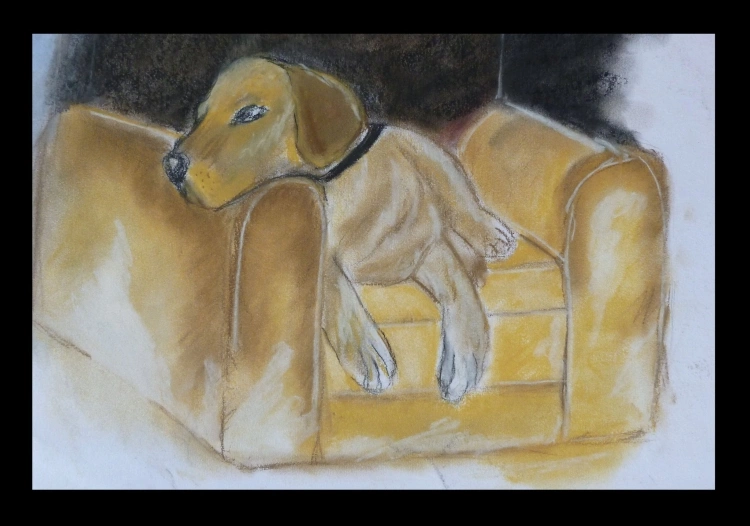
Stephi works across multiple mediums, blending traditional painting with mixed-media experimentation in ways that feel both personal and universally accessible. Our team found her approach refreshingly direct — she doesn't hide behind conceptual jargon or art-world posturing, and that honesty comes through in every piece. Much like our earlier conversation in our chat with watercolourist Candice Leyland, this Stephi Konstantinou artist interview reveals how deeply a creator's personal story shapes their visual language.
What follows is a deep dive into her toolkit, her creative evolution, the challenges she navigates as an independent artist, and the works that define her practice so far.
Contents
Mediums and Materials Behind the Work
One of the first things we asked Stephi about was her physical process — what she reaches for when starting a new piece, and how her material choices feed into the emotional tone of her work. The answers revealed someone who thinks carefully about every layer.
Paint Choices and Surface Preferences
Stephi primarily works with acrylics on canvas and board, favouring their quick drying time because it lets her build up layers without losing momentum during a session. She mentioned that oil paints appeal to her aesthetically, but the slower pace conflicts with the urgency she feels when an idea takes hold. Our team has seen this preference among many contemporary portrait artists — the speed of acrylics suits creators who work from emotional impulse rather than meticulous planning.
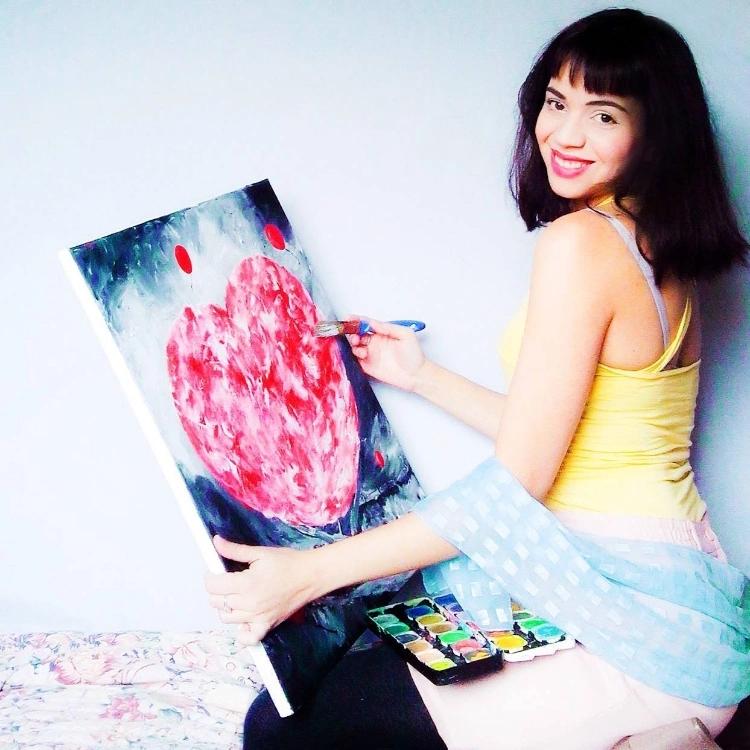
She also experiments with primed wooden panels for smaller works, noting that the rigid surface gives her marks a different quality than stretched canvas. The slight resistance changes how paint sits, and Stephi uses that tactile feedback as part of her decision-making process mid-painting.
Mixed-Media Additions
Beyond paint, Stephi incorporates collage elements, ink washes, and occasionally spray paint into her compositions. These additions aren't decorative afterthoughts — they serve as structural devices that break up pictorial space and introduce textural contrast. During our Stephi Konstantinou artist interview, she described these interventions as moments where she deliberately disrupts a painting that's becoming too comfortable or predictable.
From Early Sketches to a Mature Voice
Every artist's trajectory tells a story about persistence, and Stephi's path from early experimentation to her current confident style is no exception. Our team was curious about the pivotal moments that shaped her direction.
Early Influences and Training
Growing up in Wolverhampton, Stephi was surrounded by the industrial aesthetic of the Black Country, and that gritty visual environment left a lasting mark on her colour palette and compositional instincts. She studied art formally but credits much of her real education to time spent in studios with other working artists, absorbing techniques through observation rather than instruction. This mirrors what we've encountered with other self-directed creators like multimedia artist Živka Suvić, whose regional identity similarly anchors their creative output.
The Turning Point
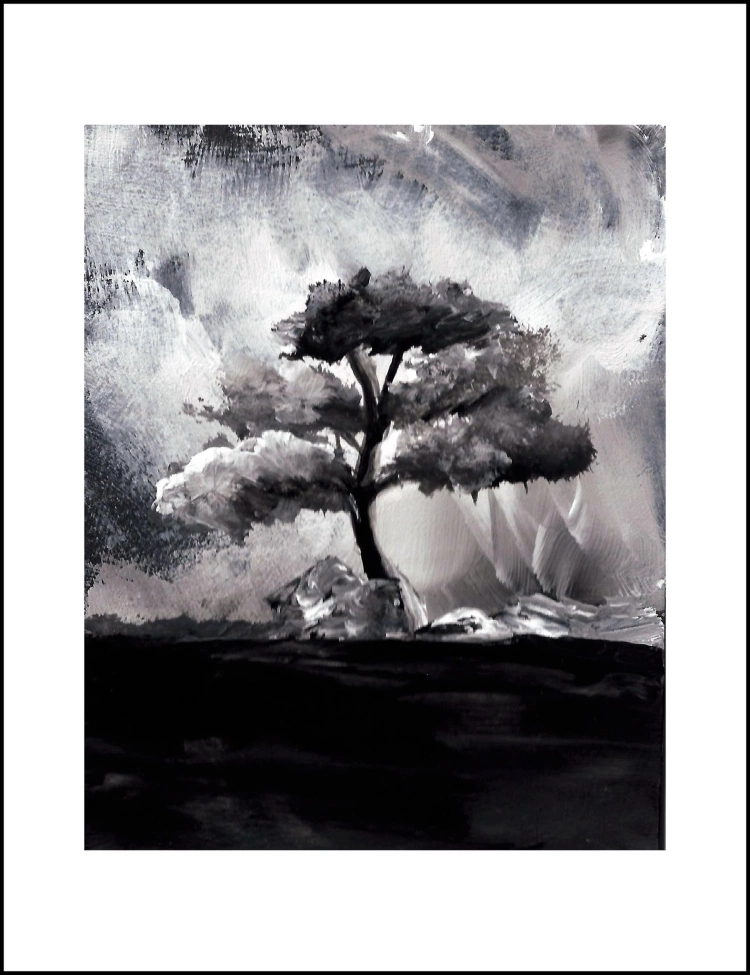
Stephi pointed to a specific period when she stopped trying to make work that fit gallery expectations and started painting purely for herself. That shift unlocked a looser, more expressive approach — bigger gestures, bolder colour clashes, and a willingness to leave areas of a painting unresolved. Our team considers this a critical lesson that most emerging artists eventually face: the work gets better when the audience stops being the primary concern.
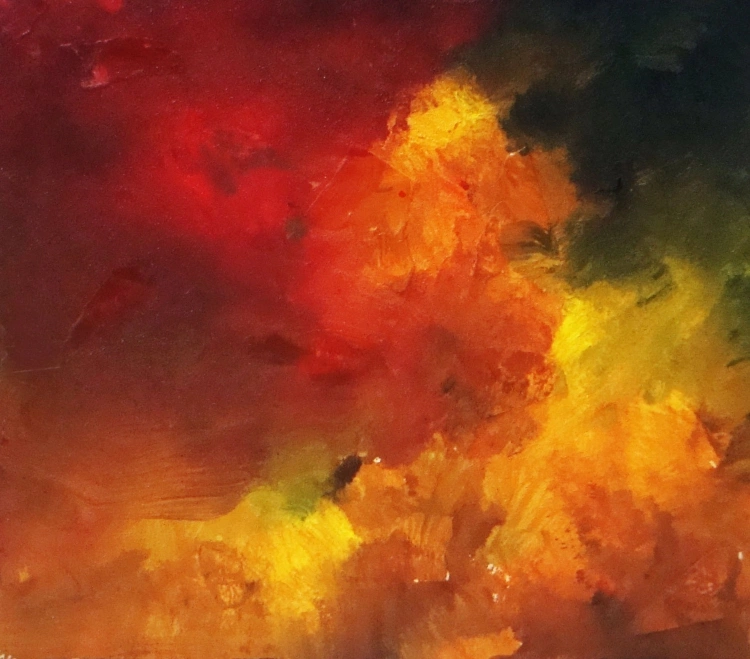
The strongest creative breakthroughs almost always follow a period of letting go of external validation — our team has seen this pattern across dozens of artist interviews.
Stephi Konstantinou Artist Interview: Style and Influences at a Glance
To help contextualise Stephi's work within the broader landscape of contemporary figurative and abstract art, our team put together a quick comparison of key stylistic elements. This is not about ranking artists but about showing where Stephi's choices sit relative to recognisable movements and peers.
How Her Work Sits Among Peers
| Element | Stephi Konstantinou | Typical Neo-Expressionist | Traditional Portraiture |
|---|---|---|---|
| Colour palette | High-contrast, saturated clashes | Raw, often muddy earth tones | Naturalistic, muted |
| Surface treatment | Layered acrylic with mixed-media disruption | Thick impasto, aggressive brushwork | Smooth, blended transitions |
| Subject matter | Figurative with abstract passages | Figurative, often distorted | Faithful likeness |
| Emotional register | Urgent, personal, celebratory | Angst-driven, confrontational | Composed, formal |
| Scale preference | Medium to large canvases | Often monumental | Varies widely |
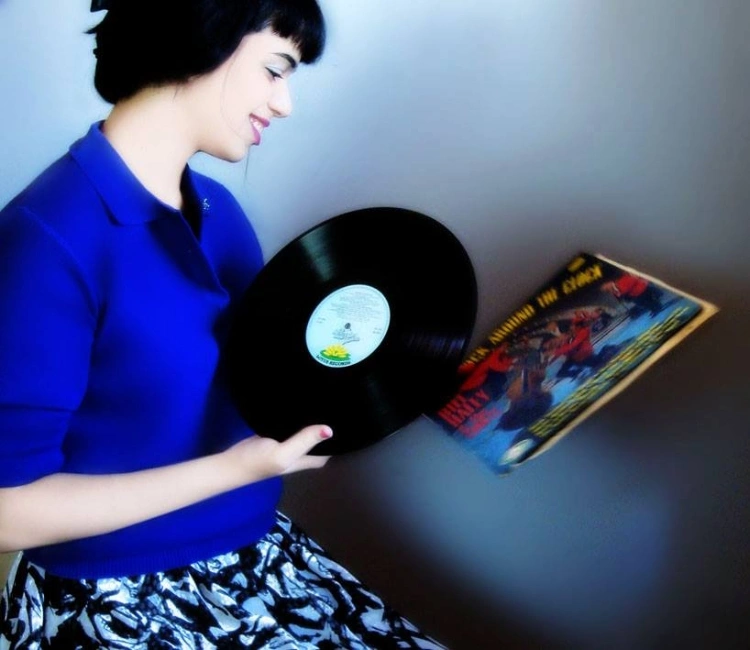
What stands out in this comparison is Stephi's celebratory emotional register — where many expressionist-leaning painters channel darkness or discomfort, her work radiates warmth and energy even when tackling serious subject matter. This is a deliberate choice, as she explained during our conversation, rooted in wanting her paintings to feel like encounters rather than confrontations. The Neo-Expressionism movement provides useful historical context for understanding where her instincts come from, even as she moves well beyond that framework.
Navigating the Realities of Independent Art
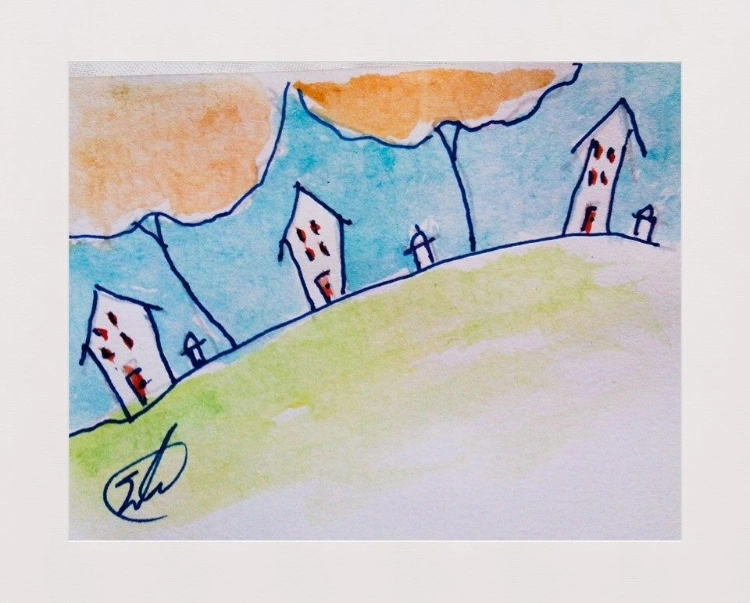
No artist interview is complete without discussing the practical hurdles, and Stephi was admirably candid about the less glamorous side of sustaining a creative practice outside the traditional gallery system.
Getting Seen Without a Gallery Contract
Stephi relies heavily on social media, open studio events, and regional exhibitions to build her audience — a model that demands constant self-promotion alongside actual studio time. She acknowledged the tension between making work and marketing it, noting that social media can become a creative trap where artists start producing for likes rather than genuine expression. Our team sees this dynamic playing out across the contemporary art world, and it's a challenge that resonates far beyond Wolverhampton.
Working Through Creative Blocks
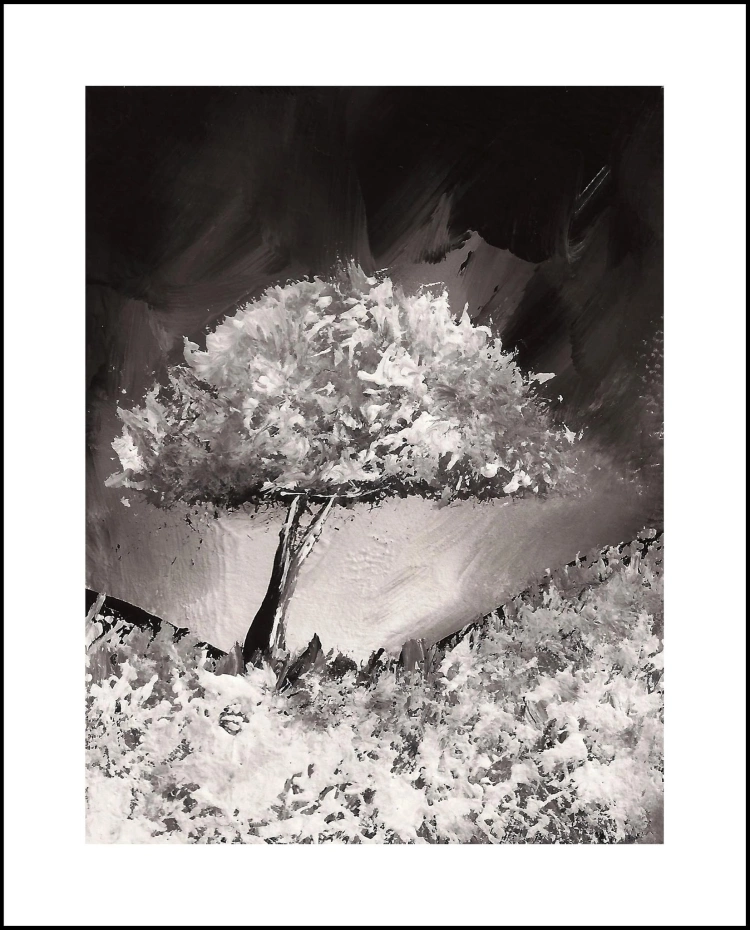
When momentum stalls, Stephi's strategy is deceptively simple: she picks up a sketchbook and draws without any intention of the sketches becoming finished work. Removing the pressure of a final product frees her hand, and often those loose drawings spark ideas that carry over into her next painting. Our team recommends this approach to anyone struggling with creative paralysis — the act of making without stakes is profoundly restorative, and we've seen it work for artists at every level of experience.
Standout Pieces and the Stories Behind Them
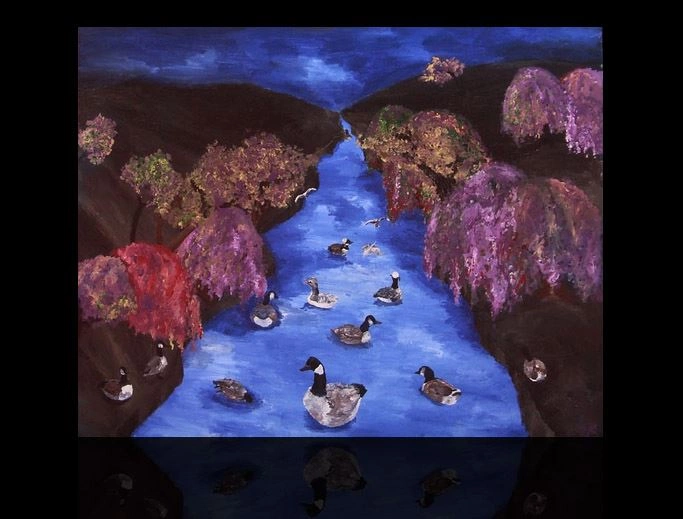
We asked Stephi to walk us through a few pieces that hold particular significance in her body of work, and the stories she shared added layers of meaning that aren't immediately visible on the canvas.
The Portrait Series
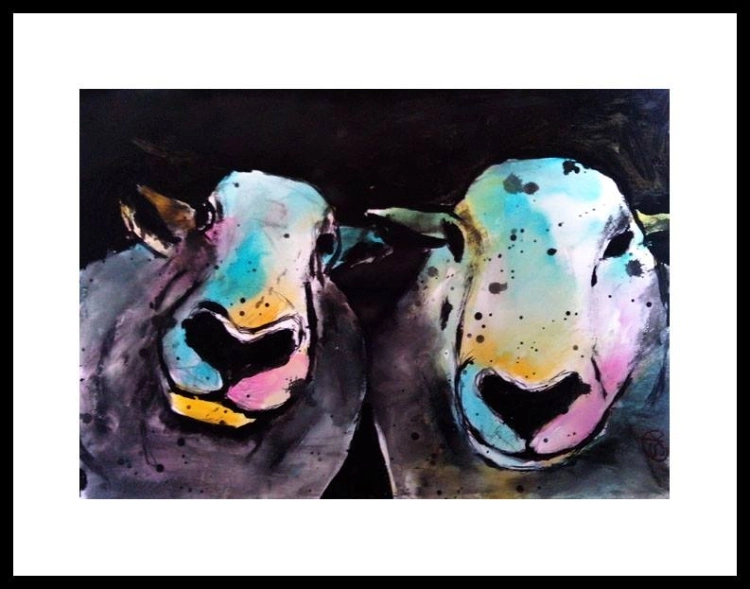
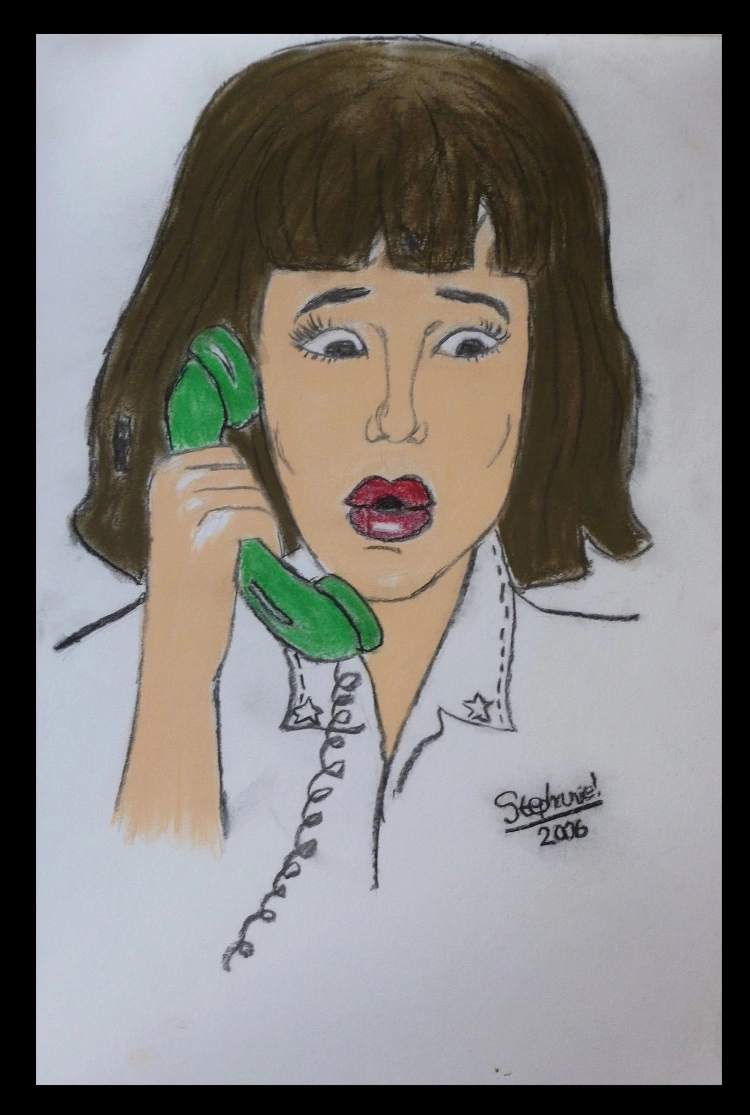
Stephi's figurative portraits are perhaps her most recognisable output, characterised by vivid skin tones and backgrounds that bleed into and around the subject rather than framing them conventionally. She paints people she knows personally, and that intimacy translates into compositions where the emotional connection between artist and subject is palpable. Our team found parallels with how artists like Suzanne Valadon channelled personal relationships into radical visual choices — different eras, similar instincts.
Abstract Explorations
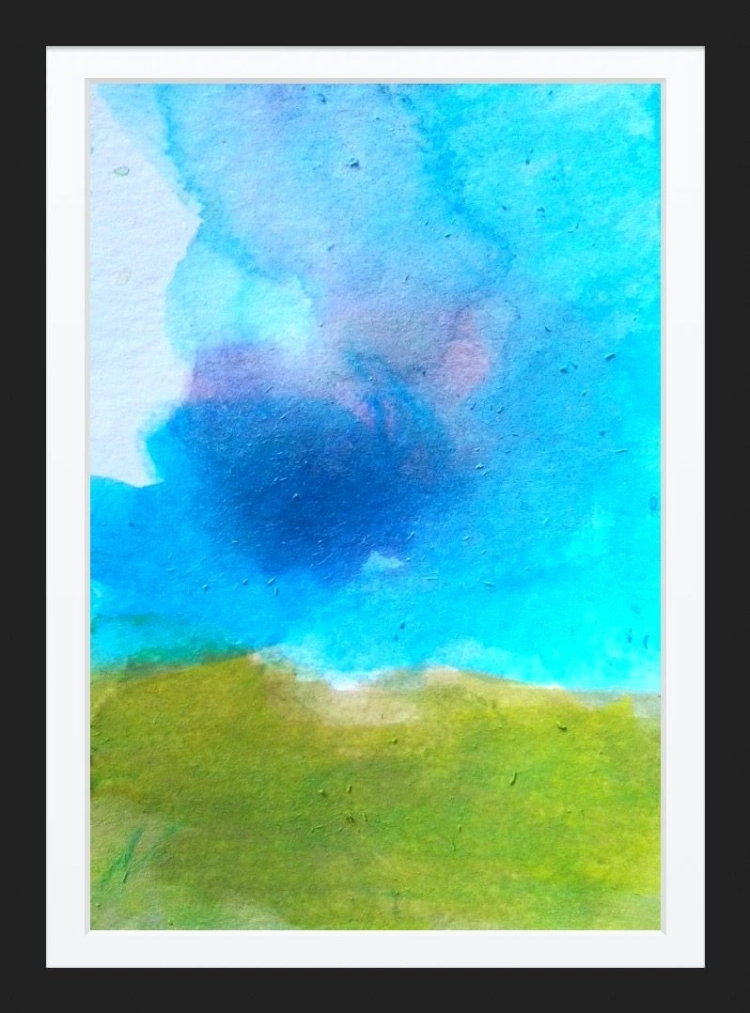
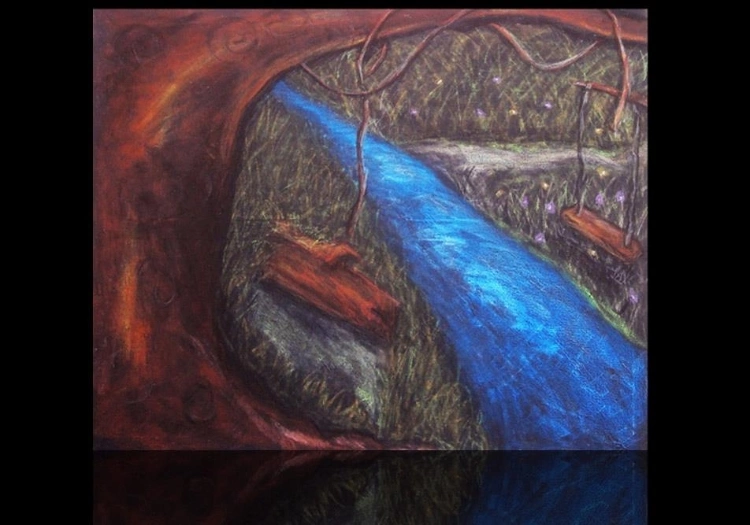
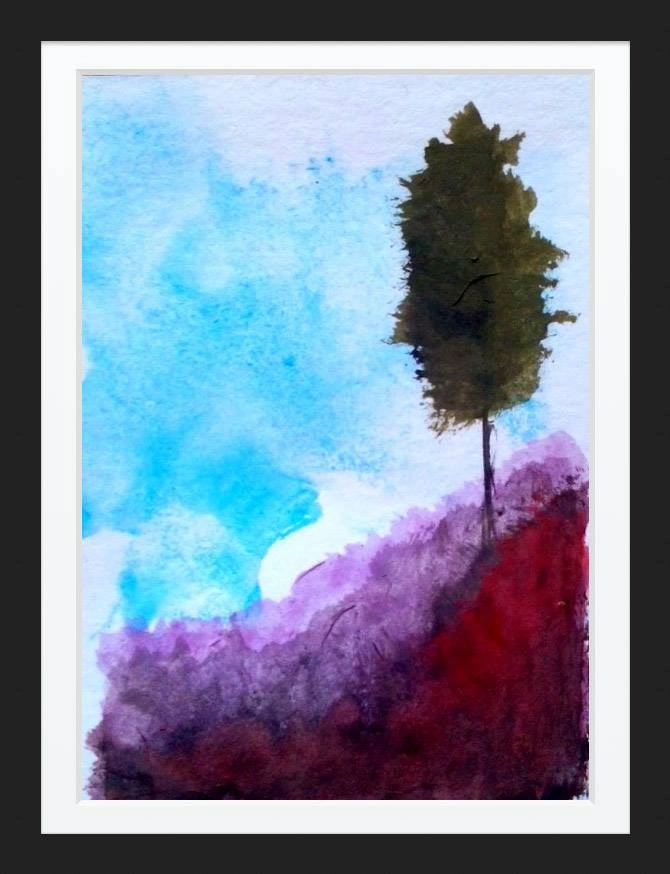
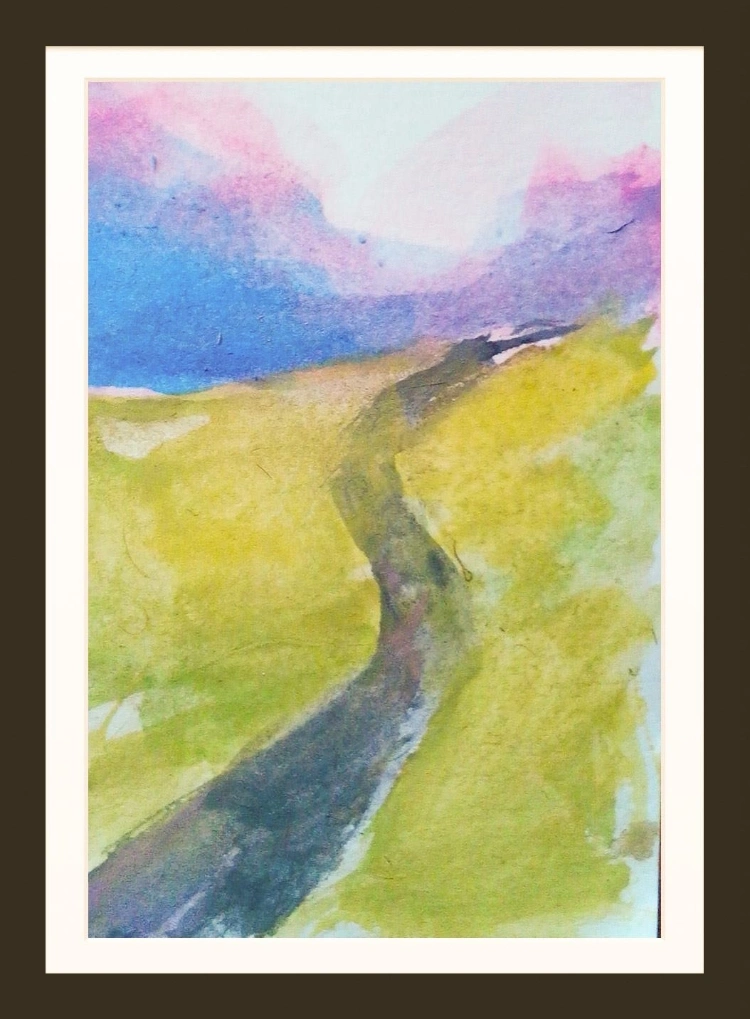
Less well known but equally compelling are Stephi's purely abstract works, where she abandons figuration entirely and lets colour relationships and gestural marks carry the piece. These paintings function almost as emotional weather reports — dense, saturated fields of colour that shift in mood as the viewer's eye moves across the surface. During this Stephi Konstantinou artist interview, she described the abstract pieces as necessary counterweights to the portraits, allowing her to process feelings that don't attach to a specific person or narrative.
Frequently Asked Questions
What mediums does Stephi Konstantinou primarily work with?
Stephi works mainly in acrylics on canvas and board, supplemented by collage, ink washes, and spray paint for textural contrast and compositional disruption across her figurative and abstract pieces.
Where can people see Stephi Konstantinou's work?
Her paintings are exhibited at regional galleries and open studio events in the West Midlands, and she maintains an active social media presence where she shares new work, process shots, and exhibition announcements.
How does Stephi handle creative blocks?
She turns to sketchbook drawing with no expectation of producing a finished piece, using the pressure-free mark-making as a way to rediscover momentum and generate ideas for future paintings.
Is Stephi Konstantinou's work purely figurative?
Not at all — alongside her well-known portrait series, she produces purely abstract paintings that explore colour relationships and gestural expression without any figurative reference point.
Final Thoughts
This Stephi Konstantinou artist interview reinforced something our team encounters repeatedly — the most compelling work comes from artists who prioritise authenticity over marketability, and who treat their regional roots as a source of strength rather than limitation. We encourage most people to seek out Stephi's work online or at her next West Midlands exhibition, and to consider supporting independent artists directly rather than waiting for the gallery system to validate them first.


About David Fox
David Fox is an artist and writer whose work spans painting, photography, and art criticism. He created davidcharlesfox.com as a platform for exploring the history, theory, and practice of visual art — covering everything from Renaissance masters and modernist movements to contemporary works and the cultural context that shapes how art is made and received. At the site, he covers art history, architecture, anime art and culture, collecting guidance, and profiles of influential artists across centuries and movements.
Now get FREE Gifts. Or latest Free phones here.
Disable Ad block to reveal all the secrets. Once done, hit a button below