What is Yarn Bombing? About the Guerrilla Knitting Art Movement
by David Fox
What is yarn bombing, and why has it captured the attention of art lovers, crafters, and city dwellers around the world? This colorful form of street art swaps spray paint for stitches, transforming everyday objects into vibrant textile installations. Often called guerrilla knitting, yarn bombing sits at the crossroads of craft, activism, and public art — and it has grown from a quirky hobby into a recognized global movement. Whether someone is a seasoned fiber artist or simply curious about this unexpected art form, understanding yarn bombing opens a window into how communities reclaim public spaces through creativity.
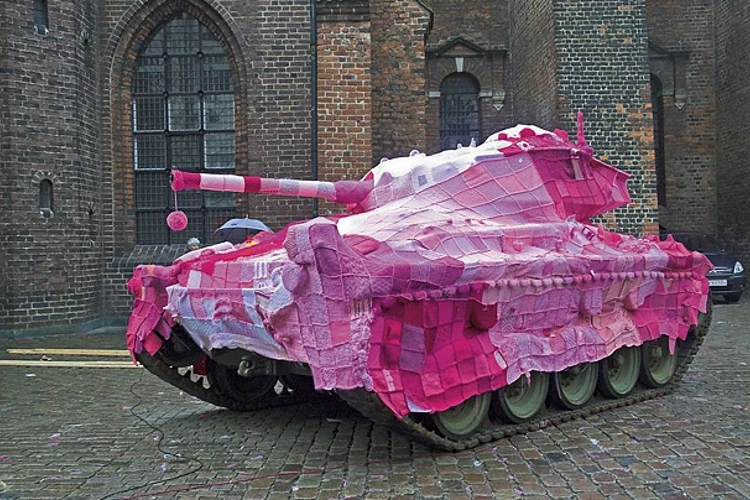
Unlike traditional graffiti, yarn bombing is non-destructive and temporary. The materials — knitted or crocheted fabric — can be removed without leaving a trace. That quality makes it appealing to people who want to make a statement without causing permanent damage. It also blurs the line between domestic craft and fine art, a tension that has fueled debate in the art world for decades.
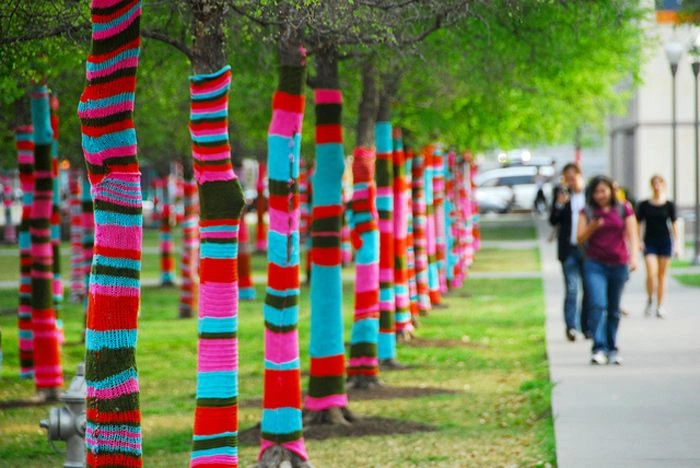
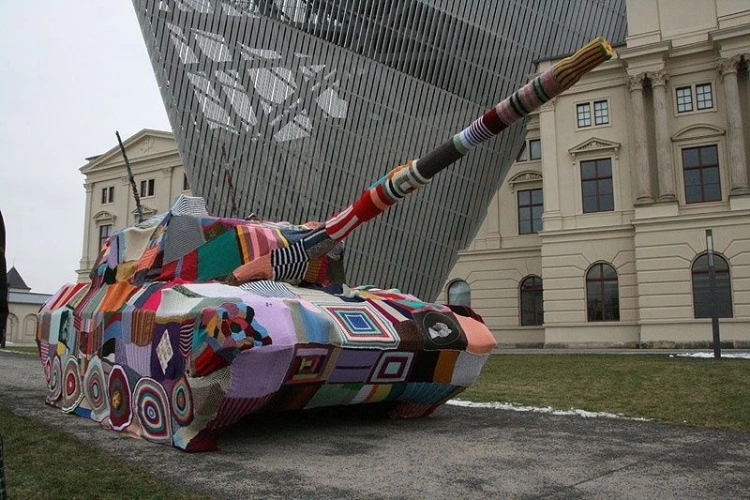
From lamp posts wrapped in rainbow stripes to tanks covered in pink crochet, yarn bombing ranges from playful to deeply political. The movement has roots in Texas, branches across Europe and Asia, and continues to evolve as new artists pick up their needles.
Contents
The Origins and Key Figures Behind Yarn Bombing
Magda Sayeg and the First Yarn Bomb
The story of yarn bombing typically begins with Magda Sayeg, a textile artist from Houston, Texas. Around 2005, Sayeg wrapped the door handle of her boutique in a knitted cozy. The small, playful act drew so much attention from passersby that she decided to go bigger — wrapping stop signs, poles, and eventually an entire bus in Mexico City.

Sayeg founded the collective Knitta Please, which became one of the first organized yarn bombing groups. Their work proved that knitting could function as legitimate public art, not just a domestic pastime. The movement owes much of its visibility to Sayeg's willingness to scale up and take the craft outdoors.
How It Spread Worldwide
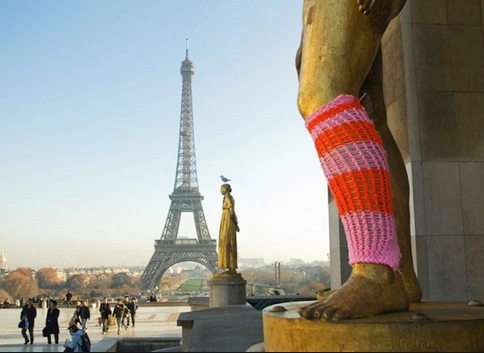
By the late 2000s, yarn bombing had appeared in cities across Europe, Australia, and Asia. Artists like London Kaye in New York brought a graphic, illustrative approach — crocheting large-scale murals on fences and walls. In Paris, collectives tagged landmarks with colorful wraps, while artists in Scandinavia used the medium to protest urban development.
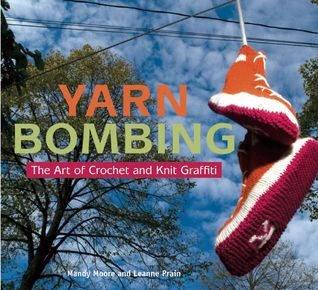
The movement shares DNA with other activist art traditions that use unconventional materials to provoke conversation. Social media, especially Instagram and Pinterest, accelerated yarn bombing's growth by giving artists a global audience overnight.
Pro Insight: Many successful yarn bombers start by joining a local knitting circle or online community before attempting a public installation — collaboration makes larger projects feasible and more fun.
Benefits and Drawbacks of Guerrilla Knitting
Community and Cultural Impact
Yarn bombing offers several genuine benefits:
- It brightens neglected urban spaces without permanent alteration
- It invites participation from people of all ages and skill levels
- It challenges the perception that craft is lesser than fine art
- It can draw foot traffic and attention to overlooked neighborhoods
- It often sparks conversations about public space and who gets to use it
Community yarn bombing events have been used for charity drives, memorial projects, and awareness campaigns for causes ranging from breast cancer to environmental conservation.
Common Criticisms
Not everyone sees yarn bombing positively. Some of the most frequent objections include:
- Litter concerns — yarn degrades in weather, potentially leaving behind soggy fiber waste
- Legal gray areas — most cities classify it as unauthorized modification of public property
- Some critics argue it trivializes street art by making it "cute"
- Environmental impact of synthetic yarn that doesn't biodegrade
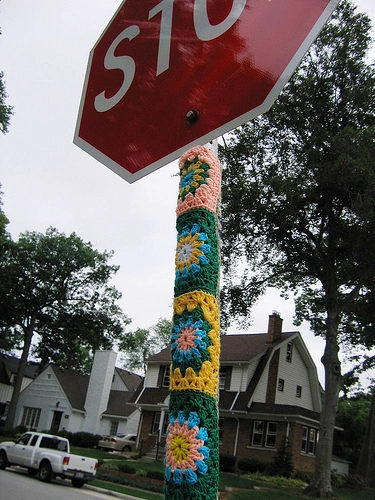
The Wikipedia entry on yarn bombing provides a useful overview of the legal status across different countries, which varies widely.
How to Plan a Yarn Bombing Project
Choosing Materials
The choice of yarn matters more than most beginners expect. Acrylic yarn holds up better outdoors than natural fibers, though it raises environmental questions. Here are the most common options:
- Acrylic — affordable, weather-resistant, wide color range
- Cotton — biodegradable but fades and weakens faster in rain
- Wool — warm and textural but attracts moths and mildew
- Recycled fabric strips — eco-friendly, chunky aesthetic
Tip: Measuring the circumference and length of the target object beforehand saves hours of rework — a tape measure is just as essential as yarn and needles.
Step-by-Step Process
- Scout a location and measure the object to be covered
- Choose yarn based on climate, budget, and desired look
- Knit or crochet panels at home to the measured dimensions
- Sew or pin panels together around the object on-site
- Secure with cable ties or stitching for a snug fit
- Document the installation with photos before weather takes its toll
- Plan a removal date — responsible yarn bombers clean up after themselves
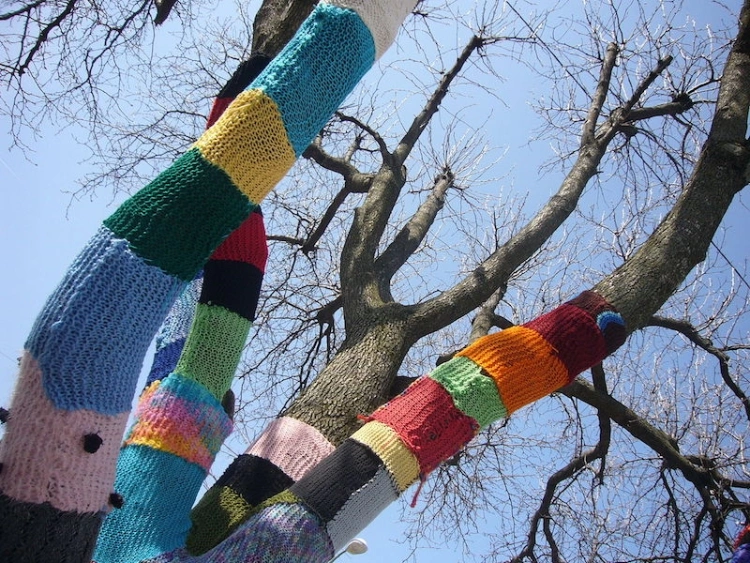
Most artists work in teams. A single tree wrap can require dozens of hours of knitting, so dividing the work across a group keeps the project manageable.
Maintaining Yarn Installations Outdoors
Weather and Wear
Outdoor yarn installations face a constant battle against the elements. Sun bleaches colors within weeks. Rain causes mildew on natural fibers. Wind pulls loose panels free. Most yarn bombs have a functional lifespan of a few weeks to a few months without active care.
Some tips for extending the life of an installation:
- Use UV-resistant acrylic yarn for sun-heavy locations
- Apply a waterproofing fabric spray before installation
- Secure all edges tightly to reduce wind damage
- Check installations weekly for sagging or fraying
Responsible Removal
Part of what separates yarn bombing from vandalism is the expectation that the artist will remove the work before it deteriorates. Leaving decaying yarn on a public structure defeats the purpose and feeds the criticism that it creates litter. Setting a removal date at the planning stage is considered best practice within the community.
Common Mistakes First-Time Yarn Bombers Make
Newcomers to yarn bombing often run into the same pitfalls. Avoiding these saves time, money, and frustration:
- Not measuring the object — eyeballing dimensions almost always leads to panels that don't fit
- Using cheap yarn that pills and fades within days
- Choosing a target in a high-traffic area without considering safety (blocking signs, handrails, etc.)
- Working alone on a large project and burning out halfway through
- Forgetting to document the work — outdoor art is ephemeral, and photos are often all that remains
- Ignoring local regulations — some municipalities fine for unauthorized installations
Warning: Never yarn bomb traffic signs, fire hydrants, or safety equipment — obstructing these objects can create genuine hazards and lead to legal consequences.
Yarn Bombing vs. Other Street Art Forms
How does yarn bombing stack up against other types of street art? The comparison reveals why it occupies a unique niche in the public art landscape.
| Feature | Yarn Bombing | Graffiti / Murals | Sticker Art | Projection Mapping |
|---|---|---|---|---|
| Permanence | Temporary (weeks–months) | Semi-permanent | Semi-permanent | Temporary (hours) |
| Damage to Surface | None | Paint residue | Adhesive residue | None |
| Skill Barrier | Low–medium | Medium–high | Low | High (tech required) |
| Material Cost | Low–moderate | Low–moderate | Very low | High |
| Community Participation | High (group-friendly) | Usually solo/duo | Solo | Team-based |
| Legal Risk | Low–moderate | Moderate–high | Low–moderate | Low (often commissioned) |
| Weather Resistance | Poor | Good | Moderate | N/A (indoor viable) |
Yarn bombing's greatest advantage is accessibility. It requires no specialized equipment, welcomes beginners, and creates minimal lasting impact on surfaces. Its biggest weakness — vulnerability to weather — also reinforces its identity as an impermanent, gentle intervention.

Frequently Asked Questions
Is yarn bombing illegal?
It depends on the location. Most municipalities treat it the same as any unauthorized modification of public property. Some cities are lenient because yarn is easily removed, while others issue fines. Checking local ordinances before installing is always advisable.
What is yarn bombing called in other countries?
Common names include guerrilla knitting, yarnstorming (popular in the UK), and knit graffiti. In German-speaking countries, it is sometimes called "Urban Knitting." The core concept remains the same regardless of the name.
How long does a yarn bomb last outdoors?
Most installations last a few weeks to a few months depending on weather, yarn type, and how well they are secured. Acrylic yarn in a sheltered location can survive several months. Natural fibers in rain-heavy areas may degrade within days.
Do yarn bombers need permission?
Technically, yes — modifying public property without permission is not legal in most places. However, many artists proceed without formal approval because the work is non-destructive and temporary. Commissioned yarn bombing for festivals and events is becoming more common.
What materials are best for yarn bombing?
Acrylic yarn is the most popular choice because it resists moisture, holds color well, and costs less than natural fibers. Some artists prefer recycled fabric strips for an eco-friendly option. Wool and cotton work for short-term indoor installations.
Can beginners try yarn bombing?
Absolutely. Basic knitting or crocheting skills are enough to cover a small object like a bike rack or fence post. Many communities host group events where experienced crafters help newcomers get started.
Is yarn bombing considered real art?
Opinions vary. Galleries and museums have exhibited yarn bombing, and major artists like Magda Sayeg and Olek have received international recognition. Critics who see it as craft rather than art tend to draw traditional boundaries that the movement intentionally challenges.
How does yarn bombing differ from graffiti?
The key differences are material and permanence. Yarn bombing uses textile rather than paint, leaves no permanent mark, and can be fully removed in minutes. Both forms share the impulse to transform public spaces, but yarn bombing is generally seen as less confrontational.
Final Thoughts
Yarn bombing proves that art does not need a gallery, a grant, or a spray can to make an impact. For anyone curious about this movement, the best next step is simple: pick up some yarn, find a neglected railing or post nearby, and stitch something colorful. Start small, document the result, and share it — every yarn bomb begins with a single stitch, and every public space is a canvas waiting to be softened.


About David Fox
David Fox is an artist and writer whose work spans painting, photography, and art criticism. He created davidcharlesfox.com as a platform for exploring the history, theory, and practice of visual art — covering everything from Renaissance masters and modernist movements to contemporary works and the cultural context that shapes how art is made and received. At the site, he covers art history, architecture, anime art and culture, collecting guidance, and profiles of influential artists across centuries and movements.
Now get FREE Gifts. Or latest Free phones here.
Disable Ad block to reveal all the secrets. Once done, hit a button below