Top 10 Abstract Expressionist Painters You Should Know
by David Fox
In 1949, Life magazine posed a now-famous question: "Is he the greatest living painter in the United States?" — referring to Jackson Pollock. That single headline helped launch Abstract Expressionism into the mainstream and forever changed how the world understood American art. Identifying the top abstract expressionist painters requires examining a movement that dominated post-war culture, redirected the global art market from Paris to New York, and produced some of the most valuable paintings ever sold at auction. These artists rejected representational traditions in favor of raw emotion, gestural mark-making, and monumental scale. For collectors and enthusiasts exploring famous male artists in history, Abstract Expressionism remains one of the most influential chapters in modern art.
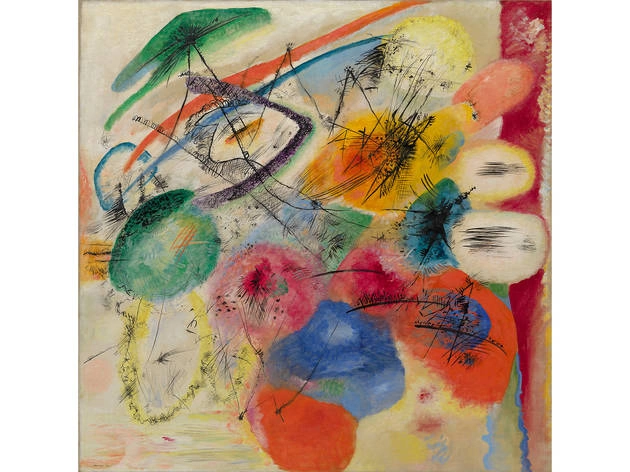
The movement emerged in the 1940s, centered around the New York School — a loose group of painters, sculptors, and poets working in Manhattan. Fueled by existentialist philosophy, wartime trauma, and Surrealist ideas about the unconscious mind, these artists pursued radical freedom on canvas. Two broad camps defined the movement: Action Painters, who emphasized the physical act of painting, and Color Field painters, who explored vast expanses of flat color to evoke emotional and spiritual responses.
What follows is a comprehensive examination of the painters who shaped Abstract Expressionism, the techniques that defined their work, and the market forces that continue to drive demand for their art.
Contents
- Landmark Works That Defined the Movement
- When Abstract Expressionism Thrived — and When It Stalled
- Preserving Abstract Expressionist Art
- How to Identify Abstract Expressionist Techniques
- Entry Points and Deep Dives for Art Enthusiasts
- The Market Value of Abstract Expressionist Paintings
- Frequently Asked Questions
- Key Takeaways
Landmark Works That Defined the Movement
The top abstract expressionist painters produced individual works that became cultural touchstones. Understanding the movement requires examining specific canvases that broke new ground.
Jackson Pollock and the Drip Technique
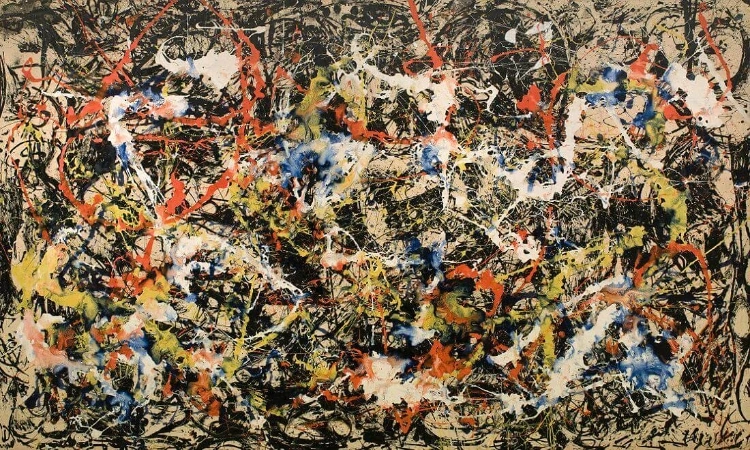
Jackson Pollock's "drip paintings" — created by laying canvas on the floor and pouring, flicking, and dripping enamel paint — remain the most recognizable images of Abstract Expressionism. Works like Number 1A, 1948 and Convergence (1952) demonstrated that the act of painting itself could be the subject. Pollock's approach eliminated the easel, the brush (often), and the boundary between artist and canvas. His work at the Cedar Tavern and the Springs studio on Long Island became the stuff of legend, thoroughly documented in Hans Namuth's photographs and films. A deeper exploration of his life and methods appears in the profile of Jackson Pollock's art and legacy.

Willem de Kooning's Figurative Abstractions
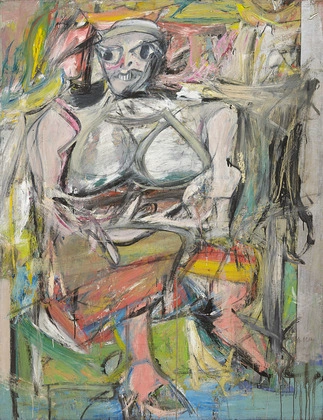
While Pollock pushed toward pure abstraction, Willem de Kooning maintained a combative relationship with the human figure. His Woman series (1950–1953) shocked critics by reintroducing recognizable imagery into a movement that prized non-representation. De Kooning's slashing brushwork and aggressive palette made these paintings visceral experiences. Born in Rotterdam, he immigrated to the United States as a stowaway and became one of the most technically accomplished painters in the New York School.

When Abstract Expressionism Thrived — and When It Stalled
The Post-War Rise
Several conditions enabled the movement's explosive growth between 1943 and 1962:
- European emigration — Artists like Mondrian, Ernst, and Dalí fled to New York during World War II, cross-pollinating Surrealist and Cubist ideas with American ambition.
- The Federal Art Project of the WPA had already trained a generation of American painters in large-scale mural work.
- Peggy Guggenheim's Art of This Century gallery provided early exhibition space for Pollock, Rothko, and others.
- Cold War cultural diplomacy — the CIA covertly promoted Abstract Expressionism abroad as proof of American creative freedom.
The Pop Art Challenge
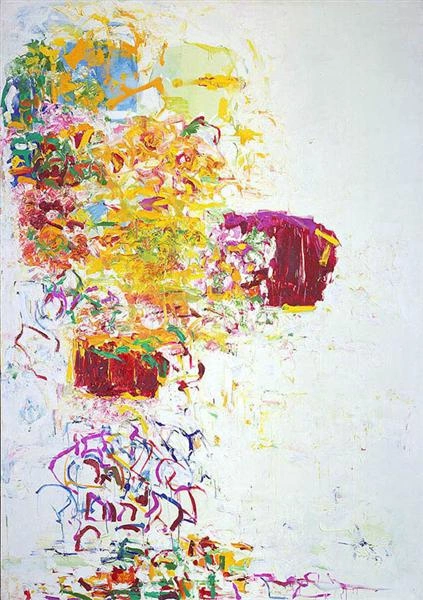
By the early 1960s, Pop Art — led by Andy Warhol and Roy Lichtenstein — deliberately countered Abstract Expressionism's emotional intensity with cool irony and mass-media imagery. Minimalism further eroded the movement's dominance. Yet Abstract Expressionism never truly disappeared. Joan Mitchell continued painting monumental canvases in Vétheuil, France, well into the 1990s. Her work is explored in depth in the feature on Joan Mitchell's abstract expressionist legacy.

Preserving Abstract Expressionist Art
Material Vulnerabilities
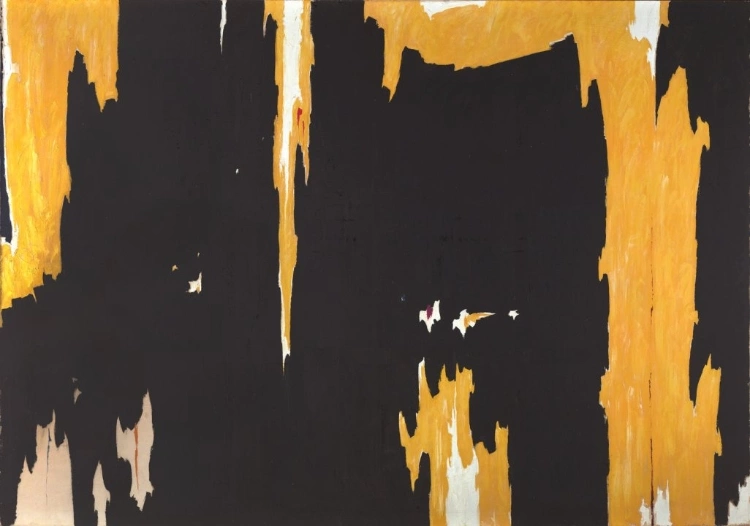
Abstract Expressionist paintings present unique conservation challenges. Pollock used house paint and enamel; Rothko layered thin washes of oil that are extremely light-sensitive. Many artists worked on unprimed or lightly primed canvases, accelerating deterioration. The Clyfford Still Museum in Denver maintains over 3,125 works in climate-controlled storage, representing one of the most comprehensive conservation efforts for a single artist.

Conservation Approaches
Key preservation practices for these works include:
- Maintaining humidity between 45–55% and temperature at 68–72°F
- Using UV-filtering glazing — Rothko's murals at the Tate Modern required complete lighting redesign
- Avoiding varnish, which many of these painters intentionally omitted to preserve matte surfaces
- Documenting original materials through technical analysis (X-ray fluorescence, infrared reflectography)
How to Identify Abstract Expressionist Techniques
Action Painting Markers
Action Painting, a term coined by critic Harold Rosenberg in 1952, treats the canvas as an arena for physical encounter. Identifying hallmarks include:
- Visible drips, splatters, and gestural brushstrokes that record the painter's movement
- Large-scale canvases — often exceeding six feet in at least one dimension
- Evidence of layering, scraping, and reworking
- All-over composition with no single focal point, treating every area of the canvas equally
Artists like Lee Krasner — whose career is examined in the profile on Lee Krasner's work behind Pollock's shadow — exemplified this gestural approach while developing a visual language entirely her own.
Color Field Characteristics
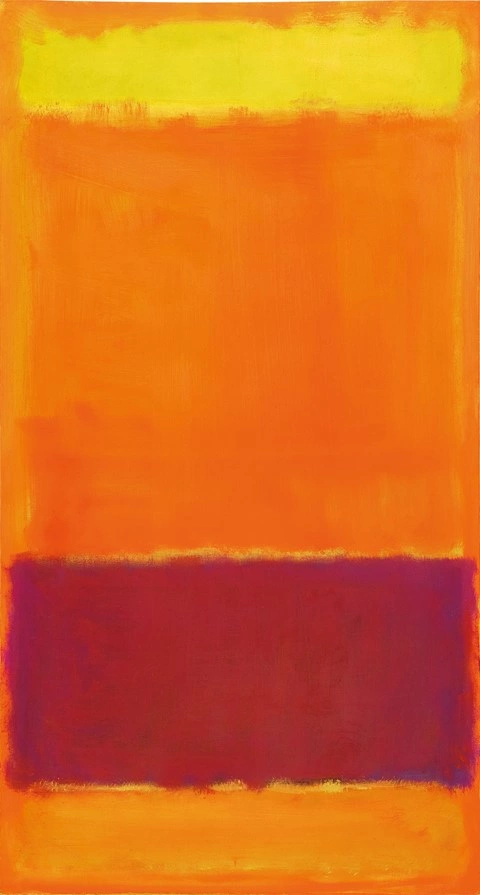
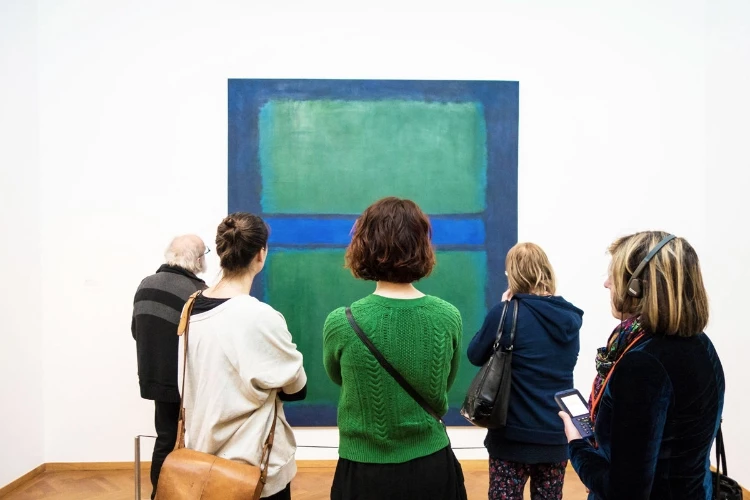
Color Field painting, by contrast, emphasizes large areas of flat color. Mark Rothko's stacked rectangles and Helen Frankenthaler's soak-stain technique represent polar expressions of this approach.

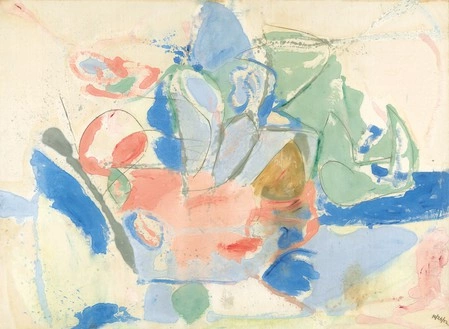
Frankenthaler pioneered the soak-stain method in 1952 with Mountains and Sea, pouring thinned paint directly onto unprimed canvas so pigment and fabric merged. This technique influenced Morris Louis and Kenneth Noland, bridging Abstract Expressionism and the subsequent Color Field movement.

Entry Points and Deep Dives for Art Enthusiasts
Starting with the Essentials
For those new to Abstract Expressionism, five painters provide the foundational understanding:
- Jackson Pollock — the movement's most public figure and pioneer of drip painting
- Mark Rothko — master of color as emotional vehicle
- Willem de Kooning — the bridge between abstraction and figuration
- Franz Kline — monumental black-and-white gestural compositions
- Barnett Newman — "zip" paintings that reduced composition to vertical lines dividing color fields
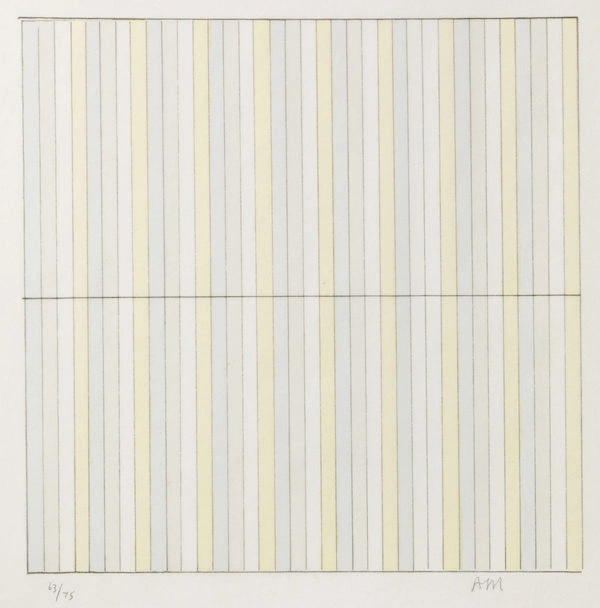
Agnes Martin, often associated with Minimalism, began her career within the Abstract Expressionist circle. Her delicate grid paintings and soft pencil lines represent the movement's contemplative extreme.

Advanced Study and Lesser-Known Figures
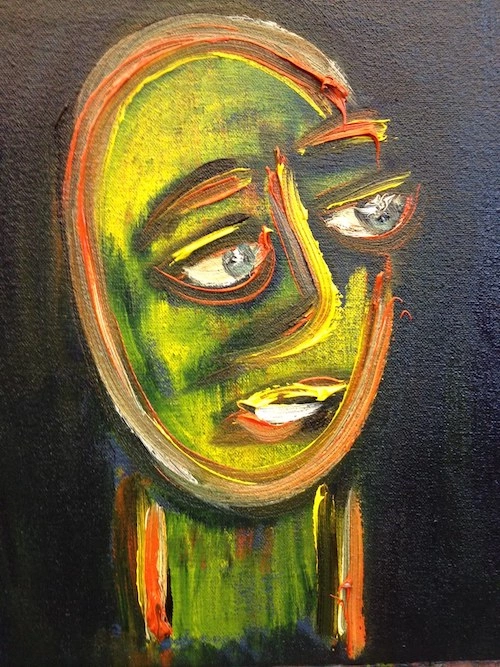
Beyond the canonical names, advanced study reveals a richer picture. Jacques Rosas extended Abstract Expressionist principles with textured, organic forms that merged painting and sculpture.

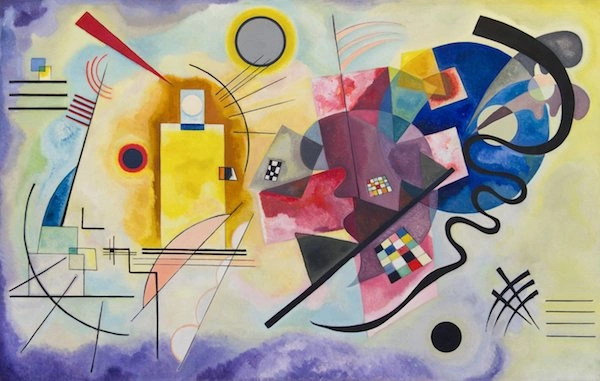
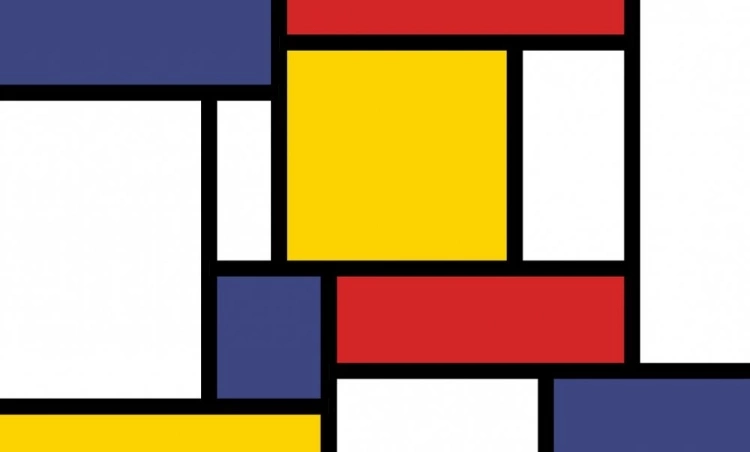
Predecessors also deserve attention. Wassily Kandinsky and Piet Mondrian laid theoretical groundwork decades before the New York School coalesced. Kandinsky's Concerning the Spiritual in Art (1911) articulated the case for non-objective painting, while Mondrian's Neo-Plasticism distilled form to its geometric essence.


The Market Value of Abstract Expressionist Paintings
Auction Records
Abstract Expressionist works consistently rank among the highest-priced paintings at auction. The table below captures notable sales that reflect sustained collector demand.
| Artist | Work | Sale Price (USD) | Auction House |
|---|---|---|---|
| Willem de Kooning | Interchange | $300 million (private) | Private sale |
| Jackson Pollock | Number 17A | $200 million (private) | Private sale |
| Mark Rothko | Orange, Red, Yellow | $86.9 million | Christie's |
| Barnett Newman | Anna's Light | $105.7 million | Private sale |
| Clyfford Still | PH-60 | $61.7 million | Sotheby's |
| Franz Kline | Untitled | $40.4 million | Christie's |
Collecting Considerations
The market for top abstract expressionist painters operates at multiple price tiers:
- Blue-chip originals — works by Pollock, de Kooning, and Rothko rarely appear at auction; when they do, estimates start in the tens of millions
- Works on paper — drawings, gouaches, and prints by major figures trade between $50,000 and $5 million, offering entry points for serious collectors
- Second-generation artists — painters like Grace Hartigan, Michael Goldberg, and Alfred Leslie offer museum-quality work at significantly lower price points
- Authentication — provenance documentation is critical; the deauthentication of several disputed Pollocks has underscored the need for rigorous scholarship
Frequently Asked Questions
What distinguishes Abstract Expressionism from other abstract art movements?
Abstract Expressionism prioritizes emotional intensity and spontaneous gesture over geometric precision or decorative intent. Unlike Cubism or Constructivism, the movement treats the painting process itself as the primary subject, with finished works recording the artist's physical and psychological engagement with the canvas.
Who is considered the founder of Abstract Expressionism?
No single founder exists, but Arshile Gorky is frequently cited as the transitional figure who bridged Surrealism and Abstract Expressionism. Jackson Pollock, Willem de Kooning, and Mark Rothko became the movement's most prominent practitioners by the late 1940s.
Were there female Abstract Expressionist painters?
Lee Krasner, Joan Mitchell, Helen Frankenthaler, Grace Hartigan, and Elaine de Kooning all made significant contributions. Historical bias marginalized their work during the movement's peak, but major museum retrospectives have corrected this record substantially.
Why are Abstract Expressionist paintings so expensive?
Scarcity, historical significance, and institutional demand drive prices. Major museums worldwide seek these works for permanent collections, competing with private collectors. Additionally, many key paintings are already in museum holdings and will never re-enter the market.
Where can Abstract Expressionist art be seen in person?
The Museum of Modern Art (MoMA) and the Guggenheim in New York hold extensive collections. The Clyfford Still Museum in Denver, the Rothko Chapel in Houston, and the Joan Mitchell Foundation's exhibitions offer focused experiences with individual artists' work.
Key Takeaways
- The top abstract expressionist painters — Pollock, de Kooning, Rothko, Krasner, Mitchell, Frankenthaler, Still, Kline, Newman, and Martin — transformed American art from a provincial scene into the center of the global avant-garde.
- Two distinct approaches defined the movement: Action Painting's gestural energy and Color Field painting's meditative expanses of hue, both rejecting representational tradition in favor of direct emotional expression.
- Market values for major Abstract Expressionist works now reach hundreds of millions of dollars, with works on paper and second-generation artists offering more accessible entry points for collectors.
- Conservation of these works demands specialized care due to unconventional materials — house paint, unprimed canvas, and thin oil washes — that make many paintings uniquely vulnerable to deterioration.


About David Fox
David Fox is an artist and writer whose work spans painting, photography, and art criticism. He created davidcharlesfox.com as a platform for exploring the history, theory, and practice of visual art — covering everything from Renaissance masters and modernist movements to contemporary works and the cultural context that shapes how art is made and received. At the site, he covers art history, architecture, anime art and culture, collecting guidance, and profiles of influential artists across centuries and movements.
Now get FREE Gifts. Or latest Free phones here.
Disable Ad block to reveal all the secrets. Once done, hit a button below