Tomasz Gudzowaty: Polish Photographer of Nature, Society, and Sports
by David Fox
What distinguishes a truly great photographer from one who merely captures images? The answer often lies in range — the ability to move between vastly different subjects while maintaining a singular artistic vision. Tomasz Gudzowaty, Polish photographer of international acclaim, embodies this rare versatility, producing bodies of work that span wildlife, social documentary, and athletic motion with equal mastery. His career offers a compelling case study for anyone interested in how art history intersects with photojournalism, and how one artist can reshape expectations of what the camera is capable of revealing.
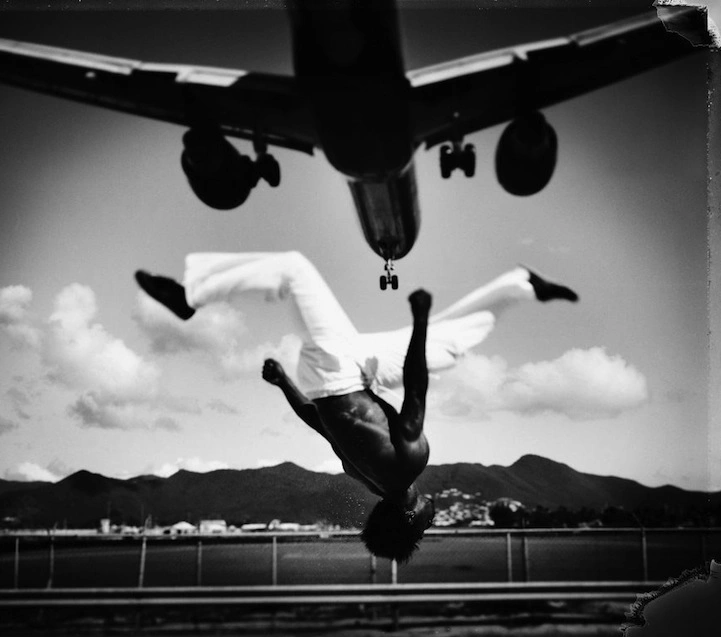
Born in Warsaw in 1971, Gudzowaty developed his photographic sensibility during a period of immense political and cultural transformation in Poland. Rather than confining himself to a single genre, he pursued an expansive practice that took him to over sixty countries. His published monographs — including Closer, Proof, and Beyond the Body — demonstrate a photographer equally at home among Kenyan cheetahs as among Mongolian wrestlers. This breadth recalls the ambition of photographers such as Steve McCurry, whose global scope similarly defies easy categorization.
Understanding Gudzowaty requires examining not just individual images but the thematic threads that connect his diverse projects. The following sections explore his major bodies of work, the techniques that define his style, and the lessons his career holds for both emerging photographers and seasoned collectors of photographic art.
Contents
A Comparative Look at Gudzowaty's Genres
One of the most instructive ways to understand Tomasz Gudzowaty as a Polish photographer is to examine how his approach shifts — and remains constant — across genres. While the subject matter varies dramatically, certain hallmarks persist: a preference for black and white, an instinct for decisive framing, and a willingness to spend extended periods with his subjects before pressing the shutter.
Nature Photography Versus Social Documentary
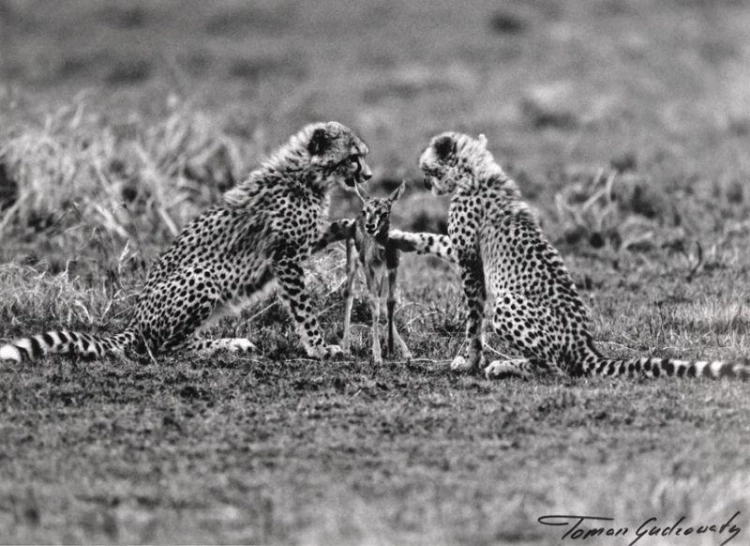
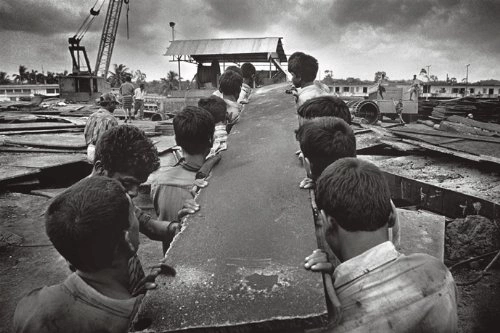
Gudzowaty's nature work, particularly his series on Kenyan cheetahs, demonstrates a patience reminiscent of wildlife filmmakers rather than press photographers. He embedded himself in the landscape, waiting for moments of predatory grace that feel simultaneously brutal and balletic. His social documentary projects — such as the ship-breaking yards of Bangladesh — employ the same patience but redirect it toward human endurance and labor.
| Aspect | Nature Work | Social Documentary | Sports Photography |
|---|---|---|---|
| Primary Tone | Contemplative, quiet | Urgent, empathetic | Dynamic, explosive |
| Typical Format | Black and white | Black and white | Black and white |
| Average Time on Location | Weeks to months | Days to weeks | Days per event |
| Compositional Style | Wide environmental framing | Close to medium range | Tight action framing |
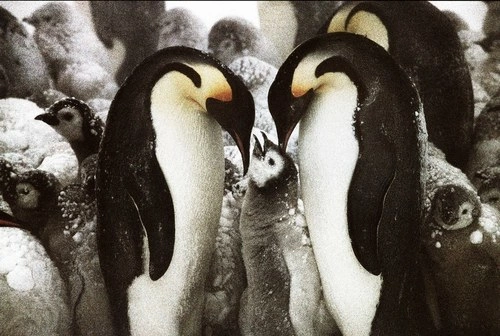
| Key Series | Cheetahs, Penguins | Ship Scrappers, Proof | Beyond the Body, Sumo |
Sports and the Capture of Motion
The sports photography of Gudzowaty stands apart from conventional action shots found in mainstream media. Rather than freezing peak action for maximum drama, he often captures the moments just before or after the climax — the tension of anticipation, the stillness of exhaustion. This approach shares philosophical ground with Henri Cartier-Bresson's concept of the decisive moment, though Gudzowaty applies it to athletic contexts that Cartier-Bresson rarely explored.
Preserving and Appreciating Gudzowaty's Work
For collectors and institutions, the question of how to engage with Gudzowaty's output extends beyond mere acquisition. His monographs, published through reputable houses, represent the most accessible form of his art. Original prints, while rarer on the secondary market, appear periodically at photography-focused auctions and galleries specializing in Central European art.
Collecting Prints and Monographs
Those new to collecting photographic art should note that Gudzowaty's monographs are themselves objects of considerable craft. The printing quality, paper selection, and sequencing of images within each book reflect an editorial sensibility that transforms individual photographs into cohesive narratives. Proper storage — away from direct sunlight, in acid-free environments — ensures longevity. This attention to physical presentation parallels the care seen in the work of photographers like Joe McNally, where the final output is inseparable from the artistic intent.
A photograph's power resides not in technical perfection alone but in the photographer's willingness to remain present long enough for truth to surface — Gudzowaty's career is proof of that principle.
Accessible Entry Points Into His Photography
Not every viewer arrives at Gudzowaty's work with the same background or expectations. For those encountering his photography for the first time, certain projects offer more immediately rewarding experiences than others.
Key Monographs to Begin With
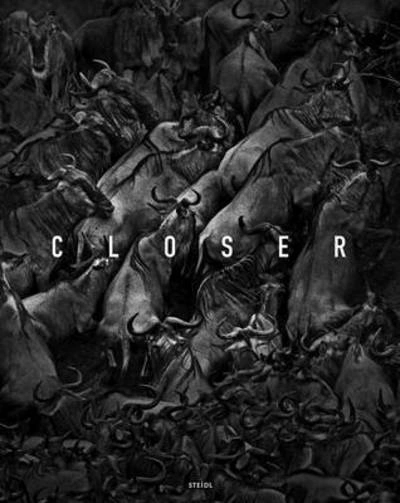
Closer remains the most widely recommended starting point. Its wildlife imagery possesses an emotional immediacy that transcends language and cultural barriers. From there, Beyond the Body introduces Gudzowaty's athletic subjects, while Proof pushes into more challenging social territory. Each monograph builds upon the previous one, gradually revealing the full scope of his artistic ambition.
For those preferring digital exploration, the Wikipedia entry on Tomasz Gudzowaty provides a useful chronological overview of his career milestones and major awards, including multiple World Press Photo honors.
Casual Viewer Versus Serious Scholar
The depth at which one engages with Gudzowaty's photography determines the nature of the experience entirely. A casual viewer might admire the compositional elegance of his cheetah series without recognizing the months of fieldwork behind each frame. A serious scholar, by contrast, would examine how his Eastern European identity informs his gaze upon subjects in the Global South.
Depth of Engagement With the Work
Scholars of documentary photography often position Gudzowaty within a lineage of Polish visual artists who emerged after the fall of communism, carrying with them a heightened sensitivity to power dynamics and human dignity. This context enriches every image. The ship scrappers of Bangladesh are not merely laborers in his frame — they are individuals navigating systems of exploitation that a Polish artist, shaped by decades of political upheaval, is uniquely equipped to perceive.
Those interested in how photography intersects with broader cultural movements may also find value in exploring Rob Skeoch's reflections on street photography, which offers a complementary perspective on the ethics and aesthetics of documenting human life.
Signature Projects and Their Impact
Several projects define Gudzowaty's legacy, each representing a distinct facet of his artistic identity. Together, they form a body of work that few contemporary photographers can rival in scope or emotional depth.
The Closer Series
The Closer series brought Gudzowaty international recognition. Shot primarily in Kenya's Masai Mara, these images of cheetahs hunting, resting, and interacting with their environment redefined what wildlife photography could aspire to be. The decision to work exclusively in black and white stripped away the seductive color palette of the African savanna, forcing viewers to engage with form, gesture, and narrative instead.
Beyond the Body
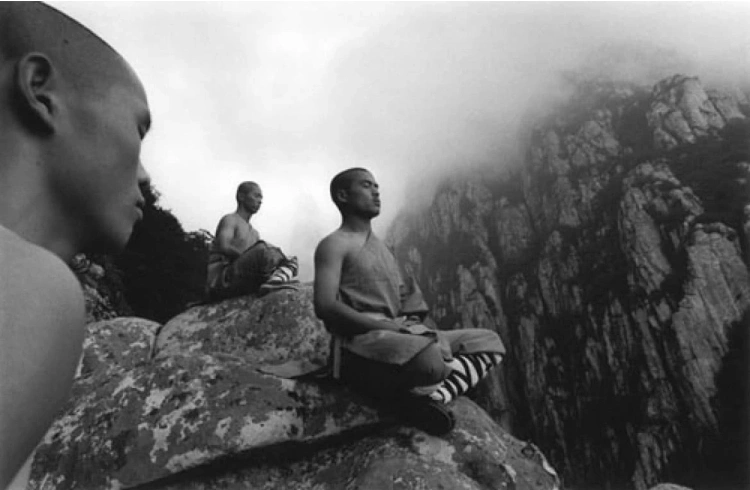
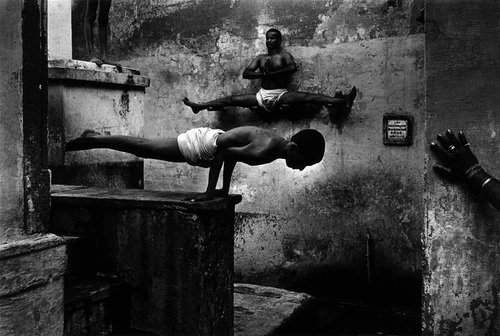
Beyond the Body explored athletic disciplines rarely covered by Western sports media — Mongolian wrestling, Burmese boxing, Indian martial arts. Gudzowaty approached each discipline not as spectacle but as cultural ritual embedded in centuries of tradition. The resulting images function simultaneously as sports photography, cultural anthropology, and fine art. This blending of genres mirrors the cross-disciplinary approach seen in the work of artists like Petr Pavlensky, where the body becomes both subject and medium.
Common Misconceptions About Gudzowaty's Art
Despite critical acclaim and numerous awards, several persistent misunderstandings surround the work of Tomasz Gudzowaty, the Polish photographer whose career defies simple classification.
Myths About Style and Intent
The most frequent misconception is that Gudzowaty is primarily a wildlife photographer. While his nature work garners the most public attention, it represents only one dimension of an expansive practice. Equally misleading is the assumption that his black-and-white aesthetic reflects a nostalgic impulse. In reality, the monochrome treatment serves a precise artistic function — it eliminates chromatic distraction and compels attention to compositional architecture.
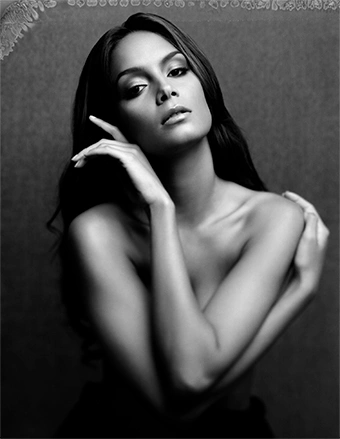
Another common error is conflating documentary intent with objectivity. Gudzowaty has never claimed neutrality. His framing choices, his selection of subjects, and his extended immersion periods all reflect a deeply personal editorial voice. The work is subjective by design — it simply maintains enough restraint to allow viewers space for their own interpretation.
The measure of a photographer is not the number of genres mastered but the depth of humanity revealed within each one.


About David Fox
David Fox is an artist and writer whose work spans painting, photography, and art criticism. He created davidcharlesfox.com as a platform for exploring the history, theory, and practice of visual art — covering everything from Renaissance masters and modernist movements to contemporary works and the cultural context that shapes how art is made and received. At the site, he covers art history, architecture, anime art and culture, collecting guidance, and profiles of influential artists across centuries and movements.
Now get FREE Gifts. Or latest Free phones here.
Disable Ad block to reveal all the secrets. Once done, hit a button below