Jonas Mekas: Life and Legacy of the Godfather of American Avant-Garde Cinema
by David Fox
We stumbled across a battered 16mm reel at a Brooklyn flea market a few summers back, and the flickering images of snow-covered rooftops and half-lit faces stopped us cold. That reel turned out to be a student copy of a Jonas Mekas diary film, and it changed how our team thinks about personal cinema entirely. As a Jonas Mekas avant-garde filmmaker and cultural organizer, his influence stretches far beyond any single film — he built the infrastructure that allowed independent and experimental cinema to survive in America. For anyone exploring art history, understanding Mekas means understanding how an entire underground movement found its voice and kept it alive for decades.
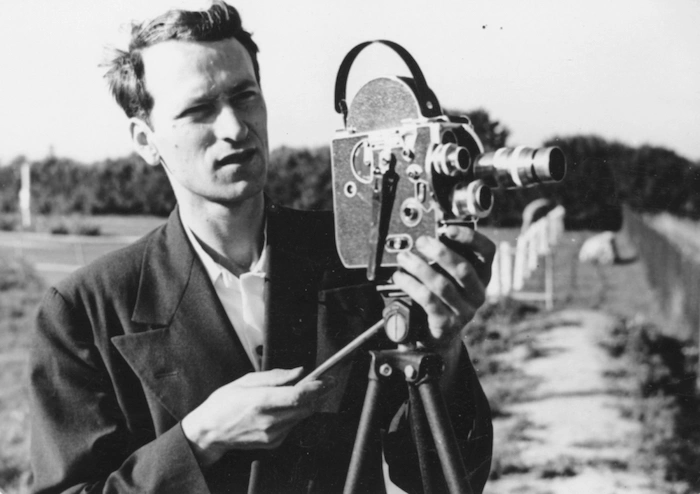
Born in a small farming village in Lithuania, Mekas endured Nazi forced labor camps before eventually making his way to New York City as a displaced person. He arrived with almost nothing — no English, no connections, no formal film training — and yet within a decade he had become the most important advocate for experimental film in the Western world. His story is one of relentless institution-building as much as artistic creation, and our team considers him essential reading for anyone who cares about how art movements actually sustain themselves over time.
What makes Mekas so compelling is the sheer breadth of his contributions, since he was simultaneously a filmmaker, poet, critic, distributor, and archivist who refused to let any single role define him. He didn't just make avant-garde films — he created the entire ecosystem that allowed others to make them too, from screening venues to distribution cooperatives to the magazine that gave the movement its critical vocabulary.
Contents
How Jonas Mekas Shaped Independent Filmmaking
Most people know Mekas as a filmmaker, but our team believes his greatest achievement was institutional — he built the organizations that gave avant-garde cinema a permanent home. Without his tireless organizational work, many of the films we now consider masterpieces of experimental cinema would have been lost entirely, screened once in a loft and then forgotten. His efforts parallel how other mid-century artists built community around radical ideas, much like the Fluxus movement challenged the boundaries of what art could be.
Anthology Film Archives and the Essential Cinema
In the early seventies, Mekas co-founded Anthology Film Archives in lower Manhattan, which remains one of the world's most important repositories of avant-garde film. The institution housed not just a screening room but an ambitious curatorial project called the Essential Cinema Repertory Collection, which attempted to define a canon of independent and experimental filmmaking. Our team sees this as one of the boldest acts of cultural preservation in American art history, comparable in ambition to what major museums did for painting and sculpture. The Archives gave filmmakers like Robert Rauschenberg and other cross-disciplinary artists a venue where their film experiments received serious attention alongside their gallery work.
Film Culture Magazine and Critical Advocacy
Mekas founded Film Culture magazine in the mid-fifties, and it quickly became the essential publication for anyone interested in cinema outside Hollywood. He also wrote the influential "Movie Journal" column for the Village Voice, where he championed films that no other critic would touch with conviction and eloquence. These writing platforms gave the Jonas Mekas avant-garde filmmaker persona its public voice, and they provided emerging directors with the critical attention they needed to build audiences.
Challenges Mekas Faced as an Immigrant Artist
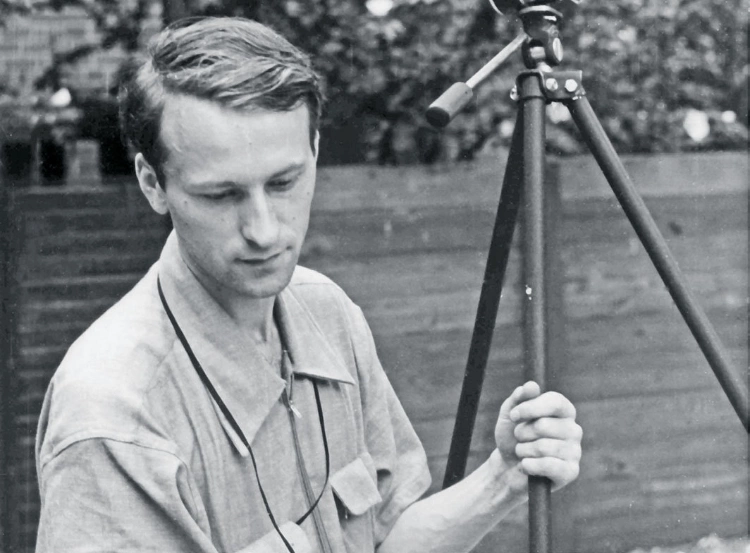
The path from a Lithuanian displaced persons camp to the center of New York's cultural life was anything but smooth, and understanding these obstacles reveals a great deal about Mekas's stubborn resilience. His story resonates with the broader narrative of how modern art found and sometimes lost its audience across the twentieth century.
Displacement, Language, and Finding a Medium
Mekas and his brother Adolfas spent time in forced labor camps during the war, then years in displaced persons camps in Germany before emigrating. When they arrived in Brooklyn, Jonas spoke no English and worked factory jobs to survive, yet he immediately began borrowing money to buy a Bolex 16mm camera and started filming everything around him. Our team finds it remarkable that someone with so little material security invested so heavily in artistic tools — it speaks to a conviction that documenting life was not a luxury but a necessity.
The Obscenity Trials and Censorship Battles
Mekas was arrested twice on obscenity charges for screening films that the authorities deemed indecent, including Jack Smith's Flaming Creatures. These legal battles drained resources and energy, but they also galvanized the underground film community and established important legal precedents for artistic freedom. The parallels to how Max Ernst and the Dadaists faced censorship in earlier decades are striking, and Mekas saw himself as part of that longer tradition of artists pushing against repressive cultural norms.
Lessons from Mekas's Approach to Diary Filmmaking
The diary film is Mekas's signature contribution to cinema as an art form, and his method offers practical insights that still inform how artists work with personal footage and documentation. Rather than scripting or staging scenes, Mekas simply filmed fragments of daily life and then assembled them into lyrical, meditative wholes that somehow captured something universal within the deeply particular.
The Bolex Method and Spontaneous Shooting
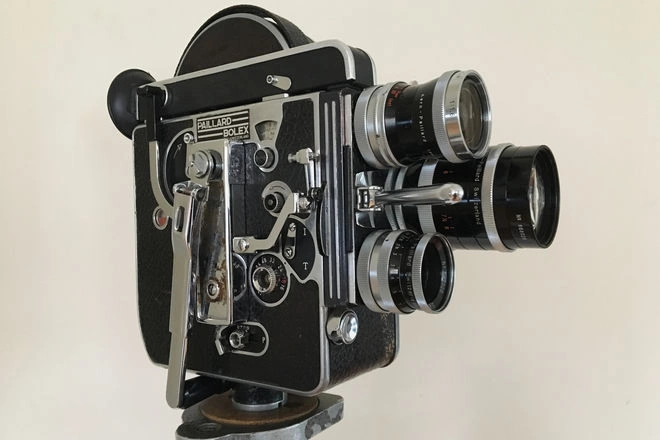
Mekas carried his Bolex camera everywhere and shot in brief bursts — sometimes just a few seconds of film at a time — capturing moments as they happened without rehearsal or setup. This approach produced a distinctive visual rhythm of quick cuts, overexposed frames, and sudden shifts in focus that became his aesthetic signature. Our team has found that this spontaneous method mirrors how modern video and projection artists approach their raw material, treating the camera as an extension of perception rather than a tool for constructing fiction.
Making the Personal Political
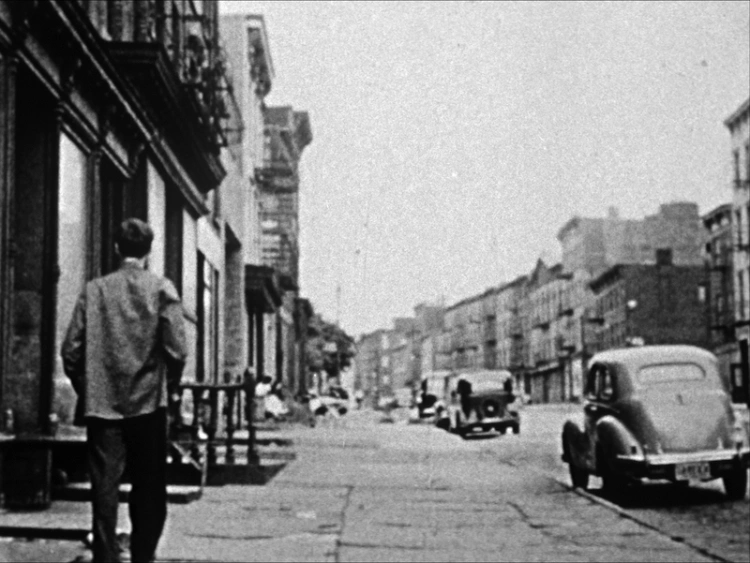
Films like Walden and Lost Lost Lost demonstrate how intimate, seemingly mundane footage can carry immense political and historical weight when assembled with care. Mekas's diary of immigrant life in New York became, almost accidentally, one of the most vivid records of the downtown art scene during its most explosive period. The Jonas Mekas avant-garde filmmaker identity was inseparable from his identity as an exile, and that fusion of the personal and political gives his work its enduring emotional power.
The Impact and Limitations of Mekas's Legacy
Our team has spent considerable time weighing what Mekas built against the critiques that have emerged over the decades, and we find the picture genuinely complex. His contributions to film culture are undeniable, but an honest assessment requires acknowledging some limitations alongside the achievements.
| Contribution | Lasting Impact | Limitation |
|---|---|---|
| Anthology Film Archives | Permanent institution preserving thousands of experimental films | Canon-building can exclude voices that don't fit the founders' taste |
| Film-Makers' Cooperative | Artist-run distribution model still referenced globally | Financial sustainability remained a constant struggle |
| Diary film form | Directly influenced video art, vlogging, and essay films | The form can become self-indulgent without Mekas's editorial discipline |
| Film Culture magazine | Created critical vocabulary for experimental cinema | Coverage skewed heavily toward New York–based filmmakers |
| 365 Day Project (online) | Early adoption of internet as artistic distribution platform | Digital migration raised preservation concerns for original materials |
What Endures in Contemporary Practice
The smartphone diary film owes a direct and traceable debt to Mekas, even if most people making them have never heard his name. Every time someone edits together a montage of daily life set to music and shares it online, they are working within a form that Mekas pioneered and refined over decades. Our team also sees his influence in the work of contemporary artists like those in the tradition of Joan Mitchell, who channeled raw feeling into abstract form — the impulse to make art from lived emotional experience connects across media.
Where the Legacy Gets Complicated
Some scholars have pointed out that Mekas's canon-building efforts inevitably reflected certain biases, favoring a particular strand of white male experimentalism while underrepresenting women, artists of color, and filmmakers working outside New York. This critique doesn't diminish what he built, but it does complicate the narrative of him as a purely democratizing force. Our team believes the best way to honor his legacy is to extend the institutional model he created while broadening the range of voices it serves, much as understanding Pollock's legacy in Abstract Expressionism requires grappling with the movement's exclusions alongside its breakthroughs.
Common Misconceptions About Mekas and Avant-Garde Cinema
Misinformation about avant-garde film persists stubbornly, and our team encounters the same set of myths repeatedly when discussing Mekas with newcomers to his work. Clearing these up is essential for anyone approaching this body of work with fresh eyes.
The Elitism Myth
The most persistent misconception holds that avant-garde cinema is deliberately obscure and designed to exclude general audiences, but Mekas spent his entire career arguing the opposite. He believed experimental film was the most democratic form of cinema because it required no studio, no stars, and no commercial compromise — anyone with a camera and a vision could participate. The Film-Makers' Cooperative he founded operated on the principle that any filmmaker could distribute through it without curatorial gatekeeping, which was radically egalitarian for its time. According to his Wikipedia biography, Mekas consistently championed accessibility and community in everything he organized.
The Irrelevance Myth
Another common claim insists that Mekas's work belongs to a closed historical chapter with no bearing on contemporary culture, but this ignores how thoroughly his innovations have been absorbed into mainstream practice. The diary format, the essay film, the artist-as-distributor model, and the idea of cinema as personal expression rather than industrial product all trace back to the infrastructure Mekas built. Our team sees his fingerprints on everything from Instagram stories to desktop documentaries, and the Jonas Mekas avant-garde filmmaker approach to treating daily life as worthy cinematic material has arguably become the dominant mode of personal media creation worldwide.
Frequently Asked Questions
What is Jonas Mekas best known for?
Jonas Mekas is best known as the godfather of American avant-garde cinema, recognized for his diary films, his founding of Anthology Film Archives, and his tireless advocacy for independent and experimental filmmaking through writing, organizing, and distribution.
What are diary films and why do they matter?
Diary films are personal, non-narrative works assembled from footage of daily life, shot spontaneously without scripts or staging. They matter because Mekas proved this form could carry deep emotional and political weight, influencing generations of video artists and personal filmmakers.
What camera did Jonas Mekas use?
Mekas primarily used a Bolex H16 16mm camera for most of his career, shooting in short handheld bursts that gave his films their distinctive rhythmic and textural quality. He later transitioned to video and eventually digital formats.
What is Anthology Film Archives?
Anthology Film Archives is a nonprofit film center in New York City co-founded by Mekas, dedicated to the preservation, study, and exhibition of independent, experimental, and avant-garde cinema from around the world.
Was Jonas Mekas connected to Andy Warhol?
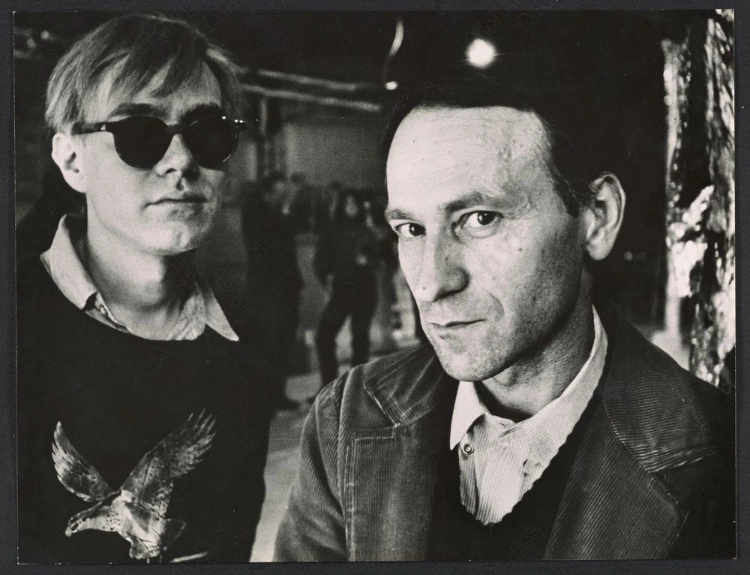
Mekas and Warhol were close collaborators and friends within the downtown New York art scene. Mekas championed Warhol's early films, screened them at his venues, and documented their shared social world extensively in his diary films.
How did Mekas influence modern video and social media?
Mekas's practice of filming daily life in short personal bursts and assembling those fragments into meaningful wholes directly anticipates the logic of vlogs, Instagram stories, and personal video essays that dominate online media creation.
Where can someone watch Jonas Mekas films?
Many of Mekas's films are available through Anthology Film Archives screenings, selected streaming platforms, and his estate's official channels. Some shorter works from his 365 Day Project remain accessible online as well.
Next Steps
- Watch Walden (Diaries, Notes and Sketches) or Lost Lost Lost as a starting point — these two films capture the full range of Mekas's diary filmmaking and provide the best introduction to his visual language and emotional depth.
- Visit Anthology Film Archives in person or explore their online programming to experience the institution Mekas built, and check their screening calendar for retrospectives that place his work alongside the broader avant-garde tradition.
- Pick up a copy of I Had Nowhere to Go, Mekas's written diary covering his displacement from Lithuania through his early life in New York, which provides essential context for understanding the personal history embedded in every frame of his films.
- Start a personal film diary using a phone camera — shoot thirty seconds of daily life for a month, then edit the fragments together, applying the Mekas principle that ordinary moments become extraordinary through accumulation and honest observation.


About David Fox
David Fox is an artist and writer whose work spans painting, photography, and art criticism. He created davidcharlesfox.com as a platform for exploring the history, theory, and practice of visual art — covering everything from Renaissance masters and modernist movements to contemporary works and the cultural context that shapes how art is made and received. At the site, he covers art history, architecture, anime art and culture, collecting guidance, and profiles of influential artists across centuries and movements.
Now get FREE Gifts. Or latest Free phones here.
Disable Ad block to reveal all the secrets. Once done, hit a button below