What Is Installation Art? Description, History, and Prominent Artists
by David Fox
Walking through the Turbine Hall at Tate Modern a few years back, our team stopped dead in our tracks. The entire cavernous space had been transformed into something that felt alive — light, sound, and sculptural forms merging into a single overwhelming experience. That moment crystallized a question we get asked constantly: what is installation art? At its core, installation art is a three-dimensional genre designed to transform a space and alter the viewer's perception of that environment. Unlike a painting on a wall or a sculpture on a pedestal, installation art envelops the audience, turning passive observers into active participants. It sits at the crossroads of sculpture, architecture, and performance, and its influence on the broader art history landscape has been nothing short of revolutionary.
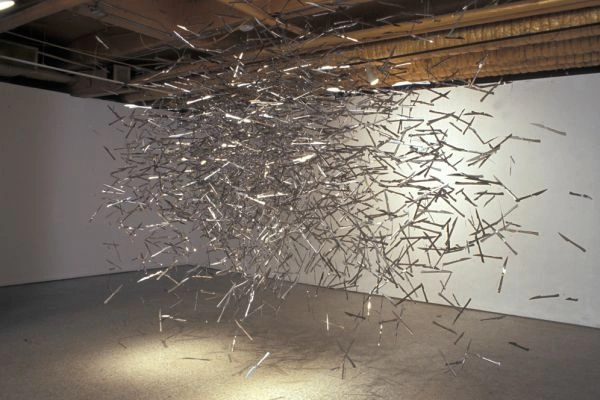
Installation art refuses to be contained. It spills across gallery floors, climbs walls, fills warehouses, and even takes over public parks. Our team has spent years studying and writing about this genre, and the one constant is that it demands presence — no photograph or video fully captures the experience. The medium is the space itself.
What makes this art form so compelling is its sheer range. An installation can be a room filled with mirrors and LED lights, a warehouse packed with porcelain sunflower seeds, or a darkened corridor rigged with neon tubes. The unifying thread is that the work activates the entire environment rather than occupying a single spot within it.
Contents
Installation Art vs. Traditional Art Forms
Understanding what is installation art becomes much easier when we stack it against the art forms most people already know. Traditional mediums — painting, sculpture, printmaking — operate within defined boundaries. A canvas has edges. A bronze figure sits on a base. Installation art throws all of that out.
Key Differences at a Glance
| Feature | Traditional Art (Painting/Sculpture) | Installation Art |
|---|---|---|
| Viewer relationship | Observer stands outside the work | Viewer enters and becomes part of the work |
| Space | Occupies a defined area (wall, pedestal) | Transforms the entire environment |
| Duration | Permanent or long-lasting | Often temporary or site-specific |
| Senses engaged | Primarily visual | Visual, auditory, tactile, olfactory |
| Materials | Paint, stone, metal, clay | Anything — light, sound, found objects, living organisms |
| Reproducibility | Can be moved between venues | Often impossible to recreate exactly |
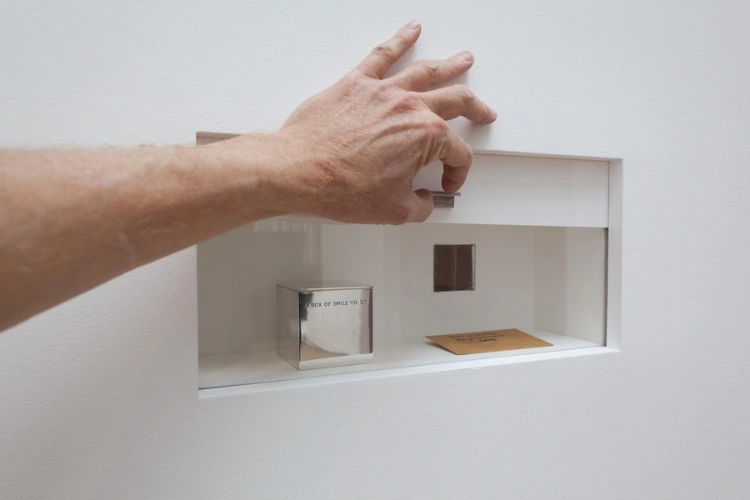
| Ownership | Collector buys a physical object | Collector may buy documentation or rights to reinstall |
Shared DNA with Sculpture and Performance
Installation art did not emerge from nothing. It shares deep roots with:
- Sculpture — both occupy three-dimensional space, but installation rejects the pedestal and expands to fill the room
- Performance art — both prioritize experience over object, though installations persist without a live performer
- Architecture — both shape how people move through and perceive space
- The Fluxus movement — Fluxus artists broke down barriers between art and life, directly paving the way for immersive installations
The key distinction is that installation art requires the space to be complete. Remove the work from its environment, and it ceases to function as intended. A Monet can hang in any museum. An Olafur Eliasson installation built for Tate Modern cannot simply relocate to a suburban gallery.
Landmark Works That Defined What Is Installation Art
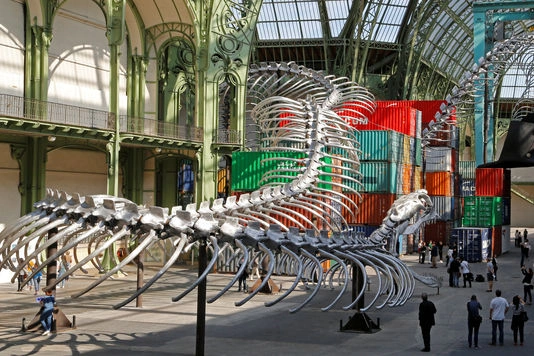
The history of installation art reads like a timeline of artists who refused to play by the rules. Our team has cataloged dozens of pivotal works, but a handful stand above the rest for their sheer impact on the genre.
The Pioneers
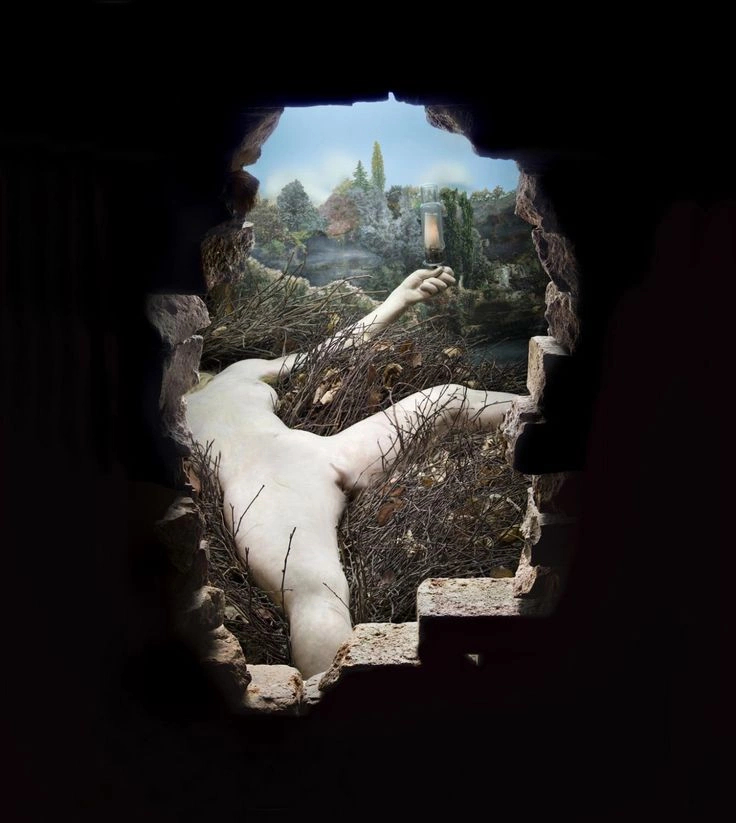
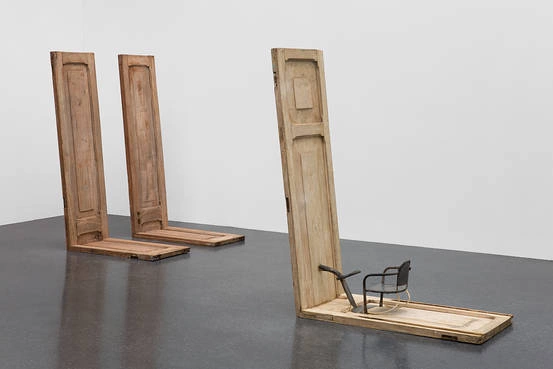
Marcel Duchamp is widely credited with planting the seeds. His 1938 installation of 1,200 coal sacks suspended from a gallery ceiling forced visitors to navigate art rather than simply observe it. His final work, Étant donnés, pushed boundaries even further — viewers peered through holes in a wooden door to witness a shocking tableau.
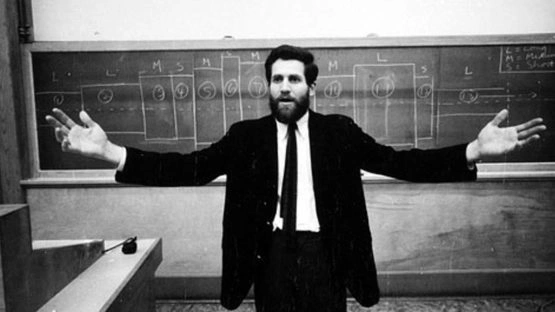
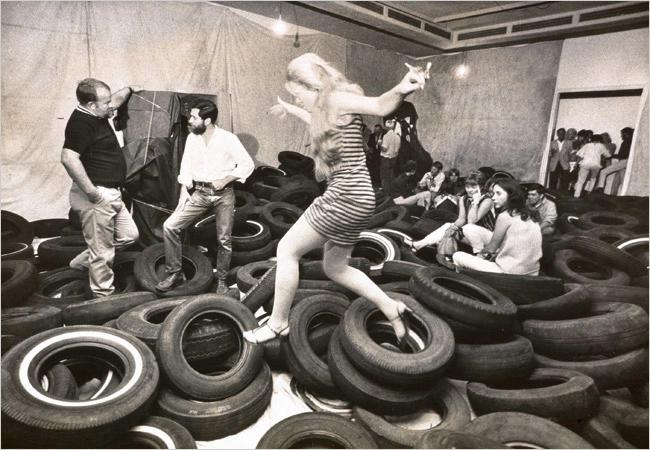
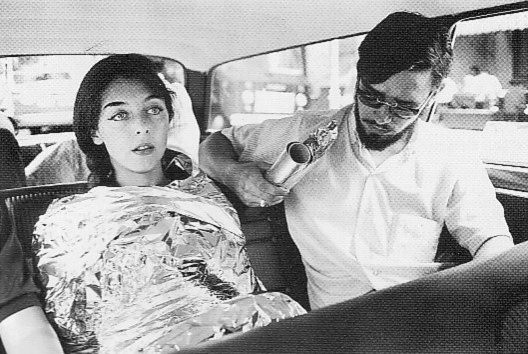
Allan Kaprow took Duchamp's ideas and ran with them. His "Happenings" in the late 1950s blurred the line between installation and performance, creating environments that demanded audience participation. Kaprow famously declared that the line between art and life should be kept as fluid as possible.
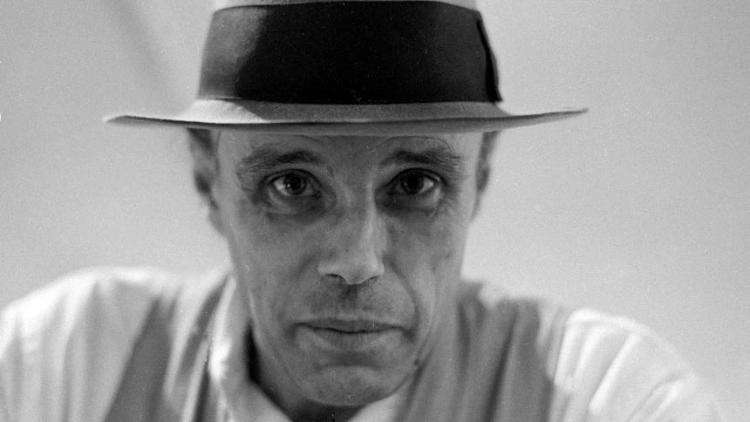
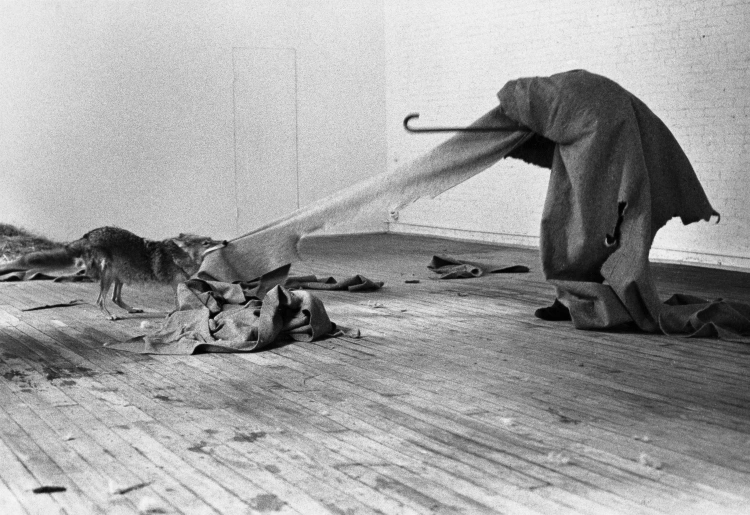
Joseph Beuys brought a shamanistic intensity to installation art. His 1974 piece I Like America and America Likes Me saw him locked in a gallery with a live coyote for three days. Beuys believed art had the power to heal society, and his installations were rituals as much as they were artworks. Artists like Robert Rauschenberg were working in parallel, combining found objects and mixed media in ways that challenged traditional gallery spaces.
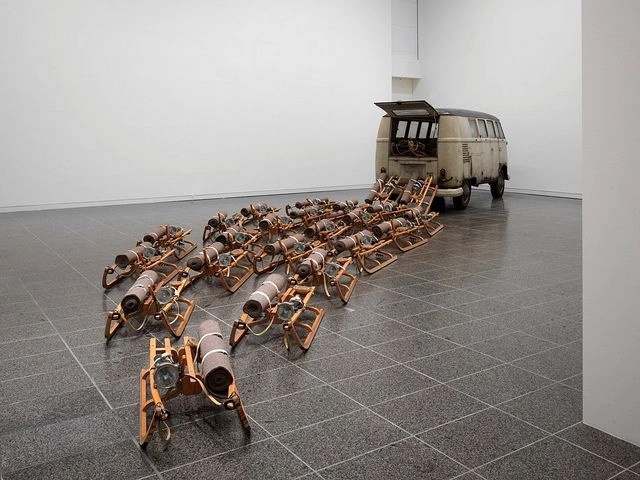
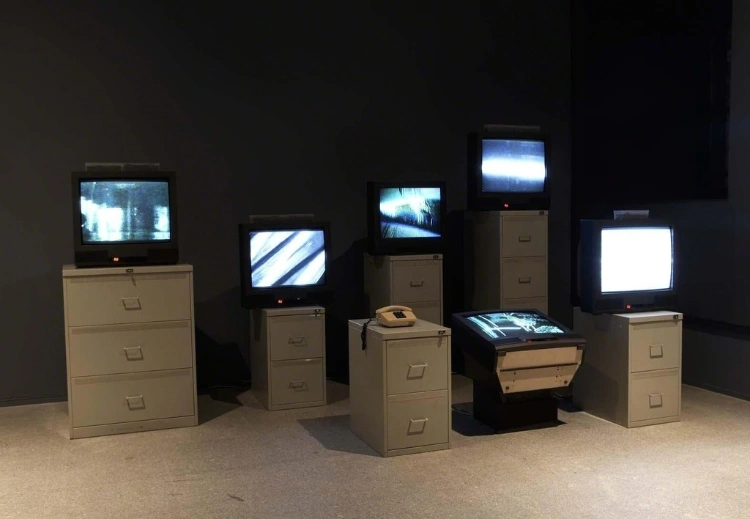
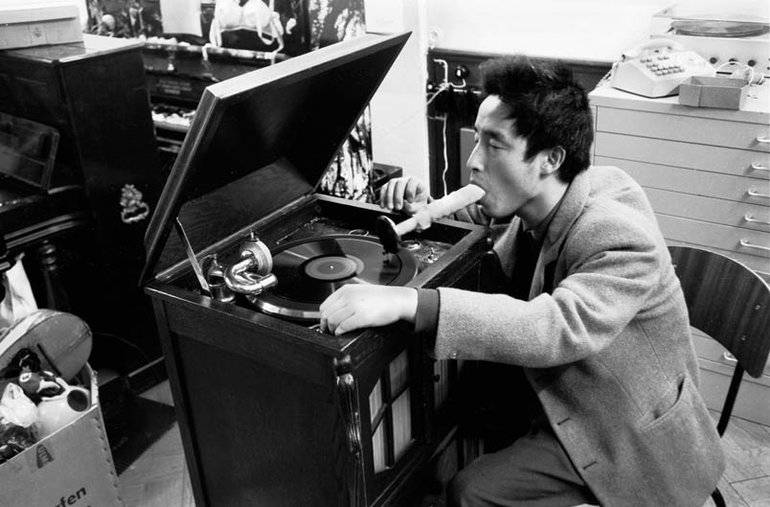
Nam June Paik pioneered video installation, stacking television monitors into towering sculptures and filling rooms with electronic signals. His work anticipated our screen-saturated world by decades and laid the groundwork for the video projection mapping techniques that many contemporary artists now use.
Contemporary Masters
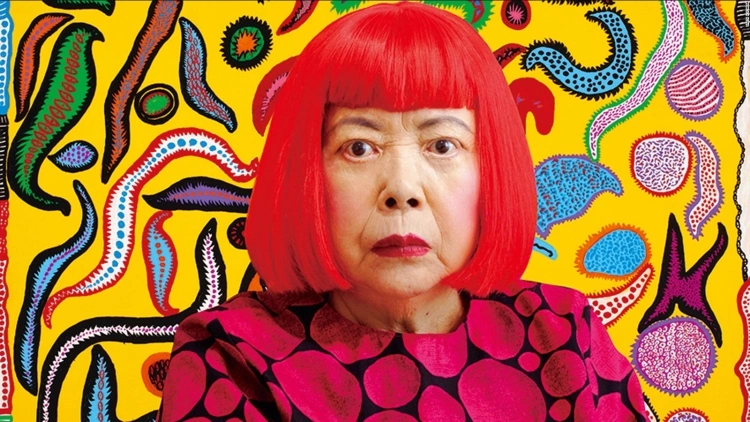
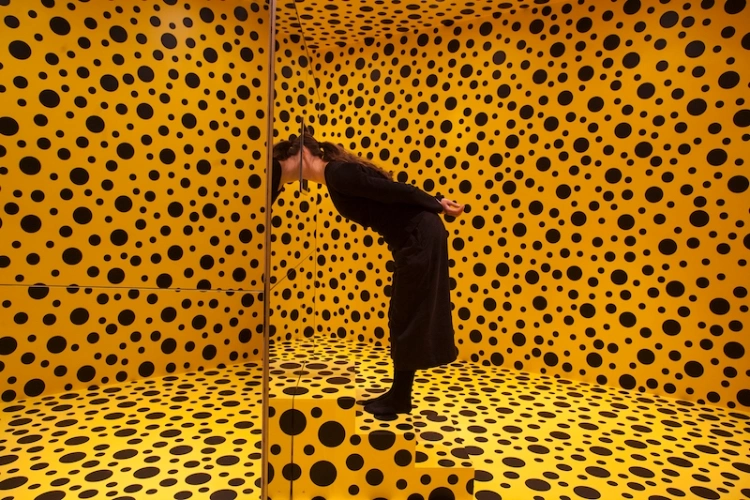
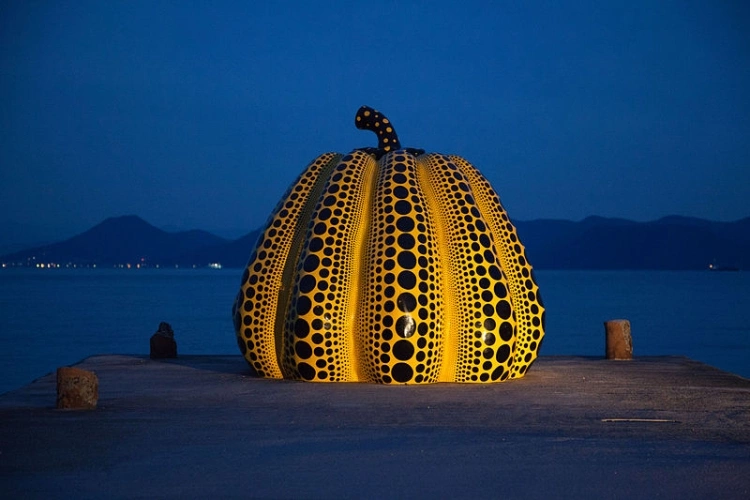
Yayoi Kusama has become perhaps the most recognizable installation artist alive. Her Infinity Mirror Rooms create the illusion of endless, sparkling space — and they consistently draw the longest museum lines in the world. Kusama's obsessive polka dots and pumpkin motifs have transcended the art world entirely.
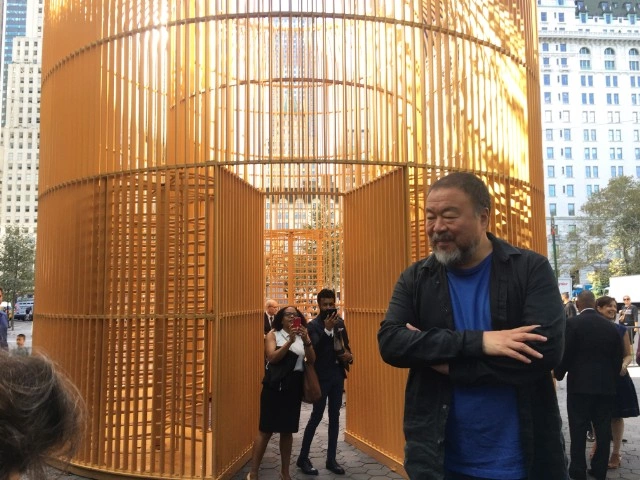
Ai Weiwei uses installation art as a vehicle for political dissent. His Sunflower Seeds — 100 million hand-painted porcelain seeds spread across the Turbine Hall floor — addressed mass production, individuality, and censorship in China. His work Good Fences Make Good Neighbors transformed New York City fences and structures into commentary on the global refugee crisis.

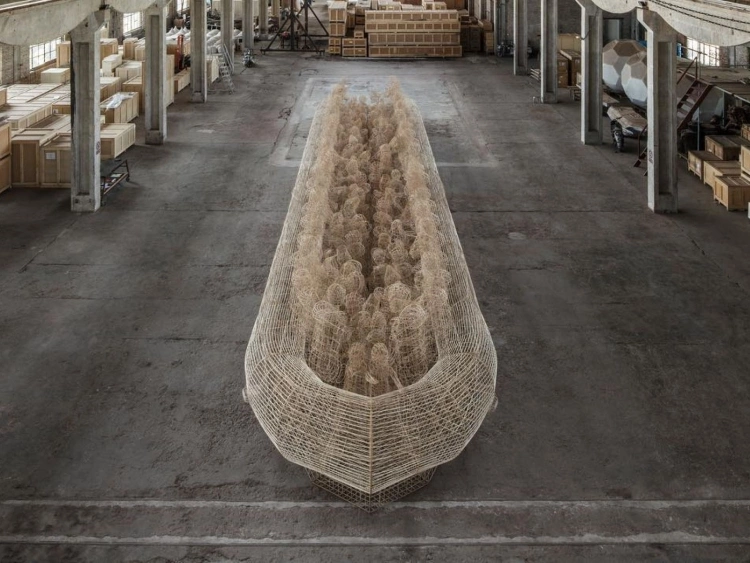
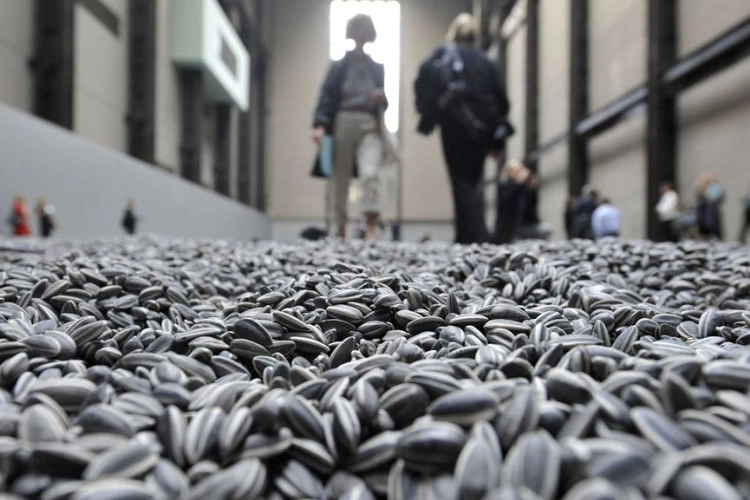
Installation art is not something to look at — it is something to walk into, breathe in, and carry with us long after we leave the room.
Doris Salcedo channels the trauma of Colombia's civil conflict into hauntingly quiet installations. Her Shibboleth — a 548-foot crack running through the Turbine Hall floor — spoke to racial division and the fractures within Western institutions. Our team considers her one of the most important political voices in contemporary art.

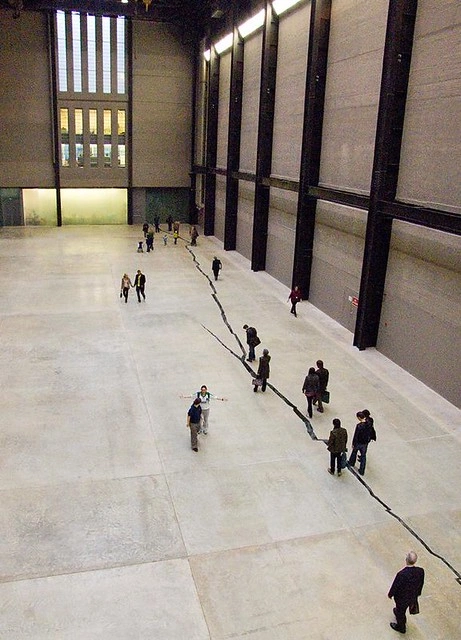
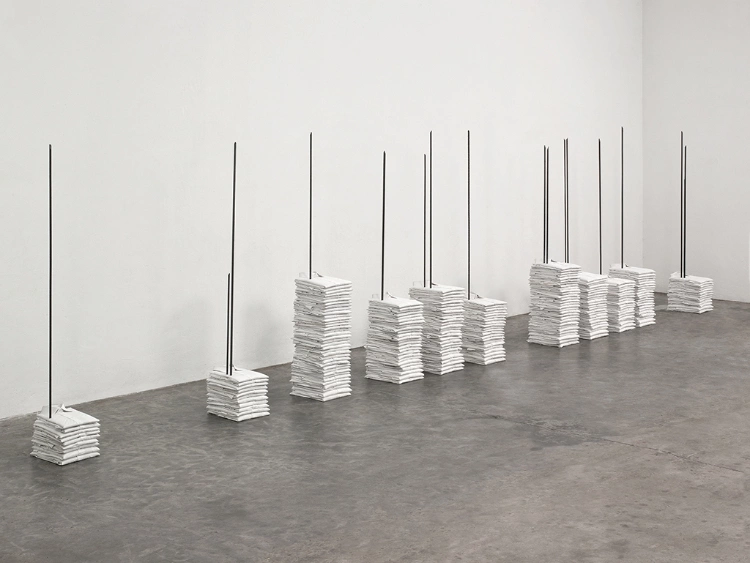
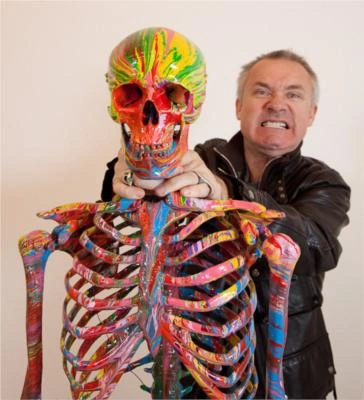
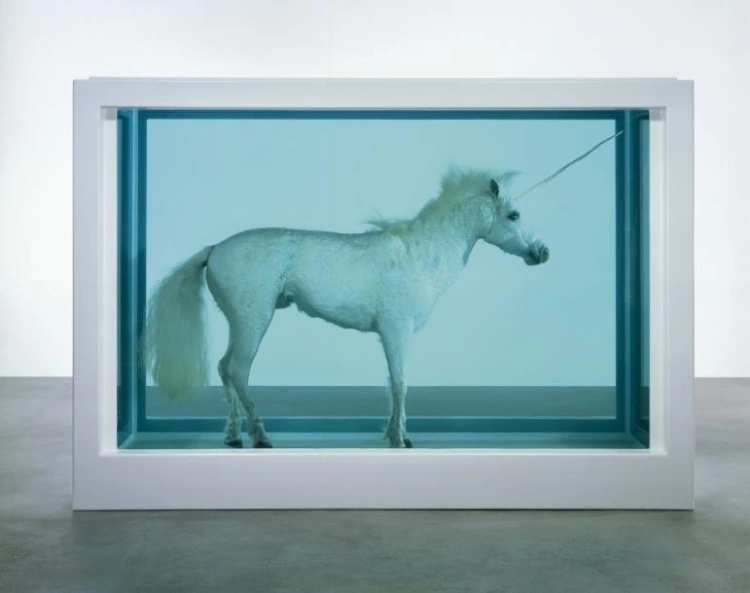
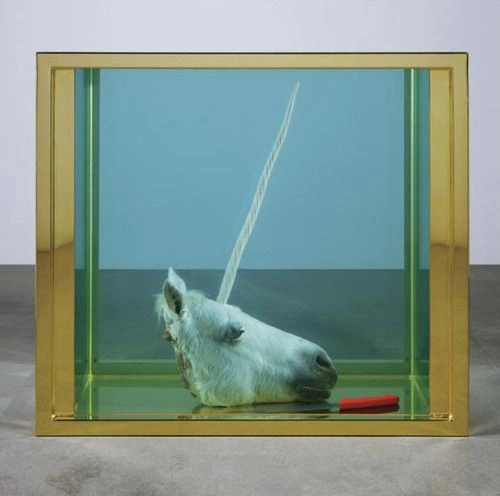
Damien Hirst brought spectacle and controversy in equal measure. Works like The Physical Impossibility of Death in the Mind of Someone Living (the shark in formaldehyde) pushed installation into mainstream consciousness and ignited debates about commercialism in the art world.
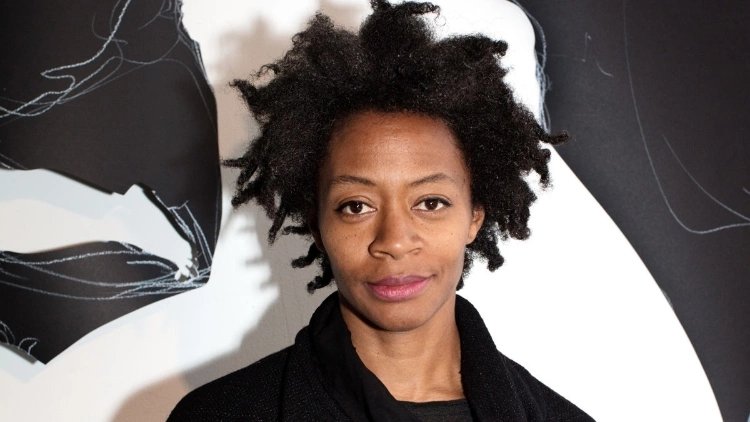
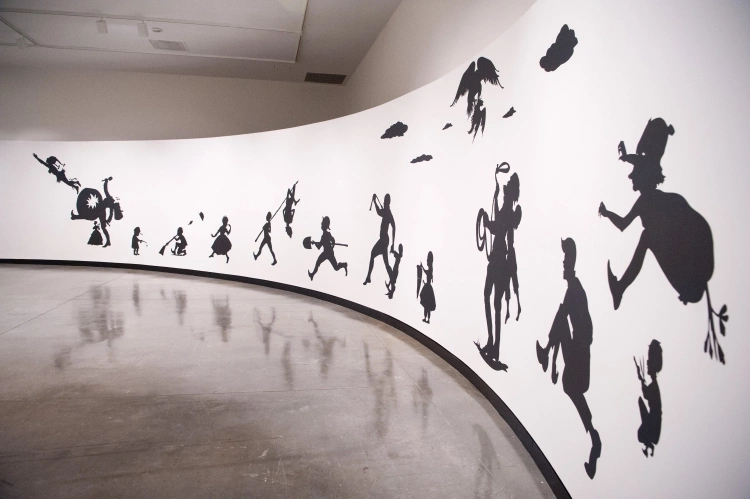
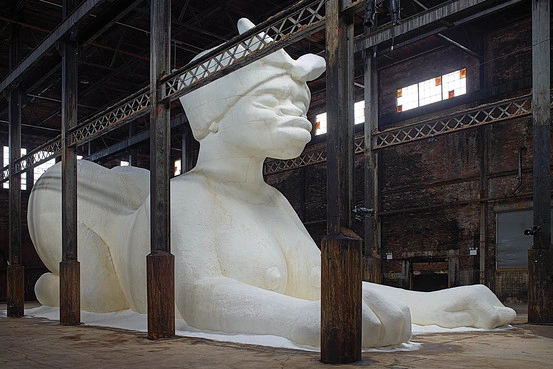
Kara Walker uses installation to confront America's history of slavery and racism. Her monumental sugar-coated sphinx, A Subtlety, installed in a former Brooklyn sugar refinery, forced visitors to reckon with the brutal labor that built American wealth.
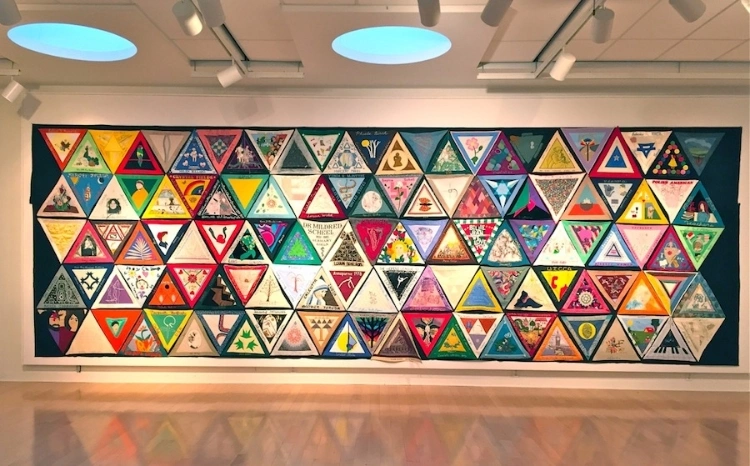
Judy Chicago created The Dinner Party, a massive triangular banquet table honoring 1,038 women from history. It remains one of the most iconic feminist installations ever made and permanently resides at the Brooklyn Museum.

Common Misconceptions About Installation Art
Despite its growing popularity, installation art remains widely misunderstood. Our team regularly encounters the same handful of myths, and it is worth addressing them head-on.
Myth vs. Reality
- "It's not real art." This is the most common objection. Installation art has been exhibited in the world's most prestigious museums — MoMA, Tate, the Guggenheim — and collected by major institutions for decades. According to Wikipedia's overview of the genre, installation art gained formal recognition as a distinct medium in the 1970s.
- "Anyone could do that." The technical demands of large-scale installations are enormous. Engineering structural supports, programming interactive electronics, managing climate control for organic materials — these projects require teams of specialists.
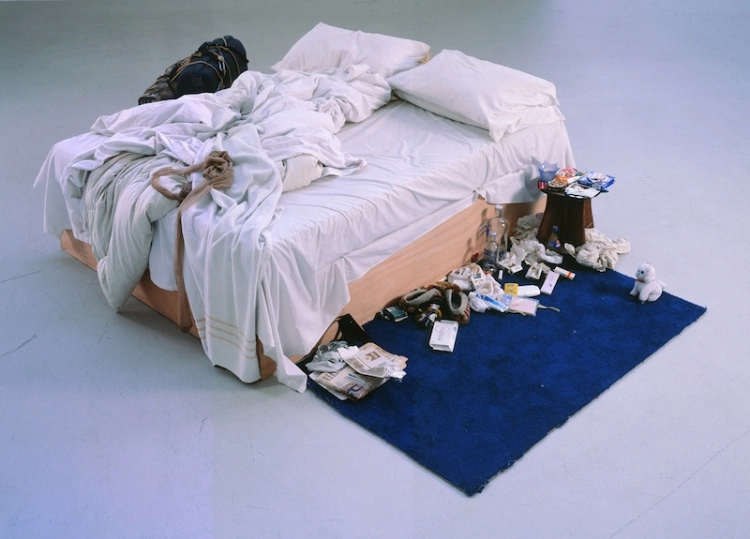
- "It's just a messy room." Every element in a well-crafted installation is intentional. The placement of objects, the quality of light, the acoustics of the space — all are carefully orchestrated.
- "It doesn't last, so it doesn't matter." Impermanence is a feature, not a flaw. Many installations are designed to exist for a limited time, making the experience of witnessing them all the more meaningful.
- "It's only for art-world insiders." Some of the most successful installations — Kusama's mirror rooms, Eliasson's The Weather Project — drew millions of visitors who had never set foot in a gallery before.
How Anyone Can Appreciate It
Our team recommends the following approach when encountering installation art for the first time:
- Slow down — spend at least 10 minutes in the space before forming an opinion
- Move through the entire work, not just the entrance
- Pay attention to physical sensations: temperature, sound, smell, spatial compression or expansion
- Read the artist statement afterward, not before — let the raw experience come first
- Consider what emotions the space triggers and whether those feelings shift over time
The Economics of Installation Art
One question our team fields constantly is how installation art gets funded. The costs are staggering compared to traditional mediums, and the financial model is fundamentally different from selling a painting.
Cost Breakdown by Scale
Installation costs vary wildly depending on scale, materials, and venue. Here is a rough breakdown based on our research:
- Small gallery installation (single room, found objects, basic lighting): $5,000–$25,000
- Mid-scale museum commission (custom fabrication, electronics, dedicated staff): $50,000–$250,000
- Major institutional commission (Turbine Hall-scale, engineering teams, months of fabrication): $500,000–$2,000,000+
- Public art installations (outdoor, weather-resistant, permitting, safety compliance): $100,000–$5,000,000+
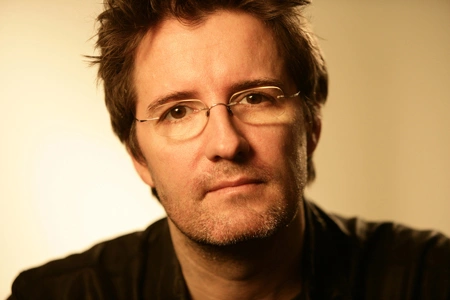
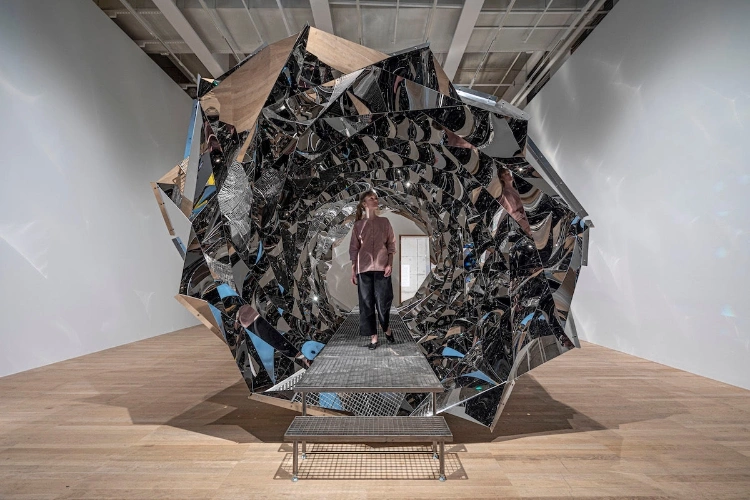
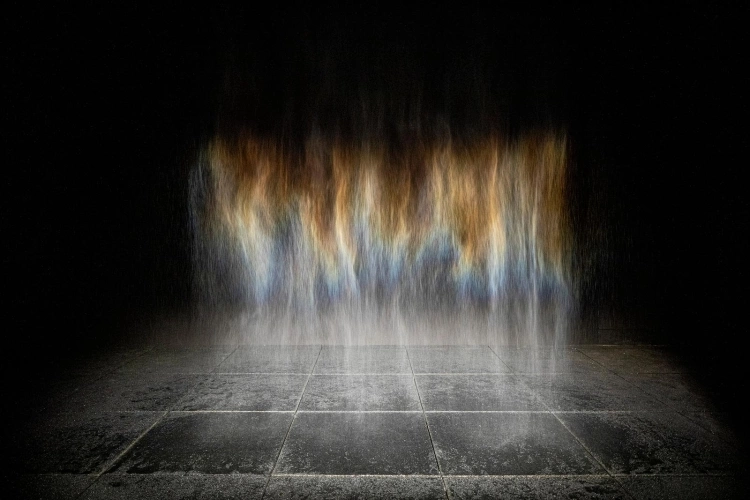
Artists like Olafur Eliasson operate studio operations with dozens of full-time employees — architects, engineers, programmers, and fabricators. His studio in Berlin functions more like an architecture firm than a traditional artist's workshop.
Where the Money Comes From
Installation art relies on a funding ecosystem that differs sharply from the traditional gallery sales model:
- Museum commissions — institutions fund the work directly, often through acquisition budgets or special exhibition funds
- Government arts grants — national endowments and cultural ministries underwrite public installations
- Private foundations — organizations like the Dia Art Foundation exist specifically to support large-scale, site-specific works
- Corporate sponsorship — brands increasingly fund installations as experiential marketing (think BMW's partnership with Olafur Eliasson)
- Artist self-funding — emerging artists frequently bootstrap smaller installations from personal savings or crowdfunding
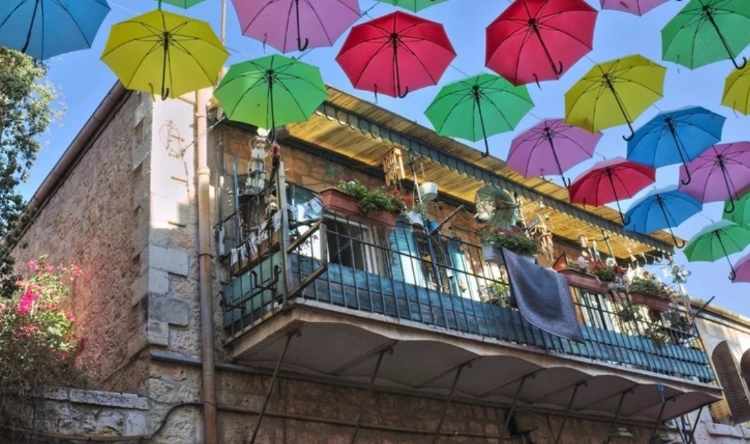
Collectors who acquire installations typically purchase the right to reinstall the work, along with detailed instructions, material lists, and sometimes the original components. This model mirrors how one might collect yarn bombing documentation — the art lives in the concept and its execution, not solely in the physical materials.
Where Installation Art Lives Today
The question of what is installation art has expanded dramatically as the genre has moved beyond white-cube galleries. Our team tracks three major arenas where installation art thrives.
Museums and Galleries
Major institutions now dedicate entire wings or programs to installation work:
- Tate Modern's Turbine Hall (London) — the annual Hyundai Commission series has produced some of the most ambitious installations of the past decade
- MoMA PS1 (New York) — focuses on experimental and site-specific work
- Dia:Beacon (Hudson Valley) — a converted factory offering permanent large-scale installations
- Benesse Art Site Naoshima (Japan) — an entire island dedicated to site-specific installations by artists like James Turrell and Kusama
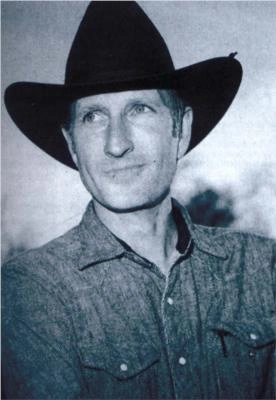
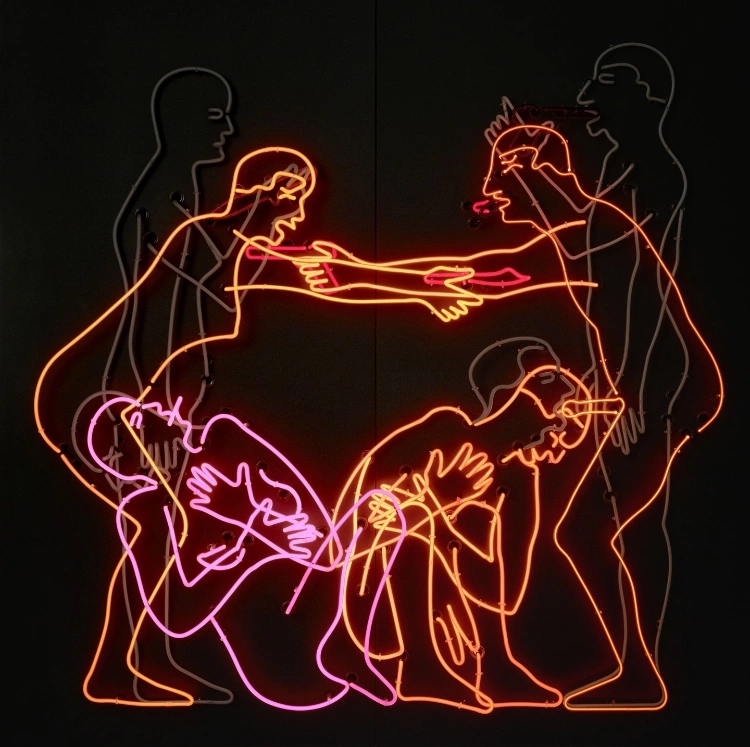
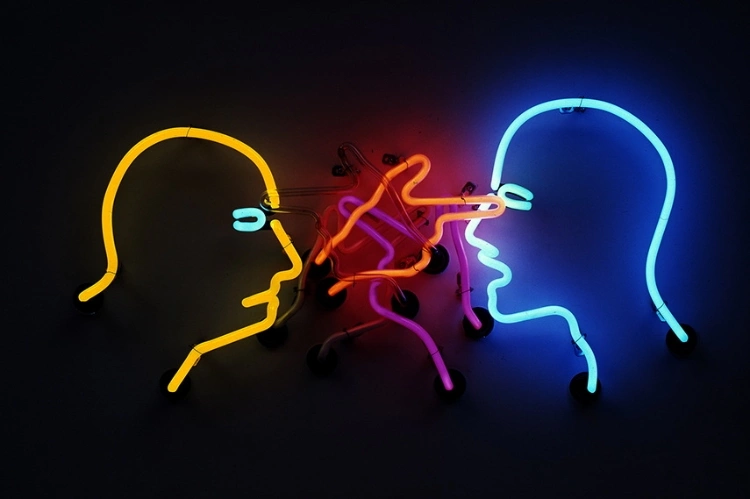
Bruce Nauman represents the museum-gallery tradition at its most experimental. His neon corridor pieces and video installations have influenced generations of artists working with light, sound, and confined space.
Public Spaces and Digital Frontiers
Installation art has increasingly escaped the gallery entirely:
- Urban installations — Ai Weiwei's Good Fences Make Good Neighbors transformed public sites across New York City
- Festivals — Burning Man, Vivid Sydney, and Nuit Blanche feature massive temporary installations
- Commercial spaces — brands commission installations for retail environments and product launches
- Digital/VR installations — artists now create fully immersive virtual environments that exist only in headsets or on screens
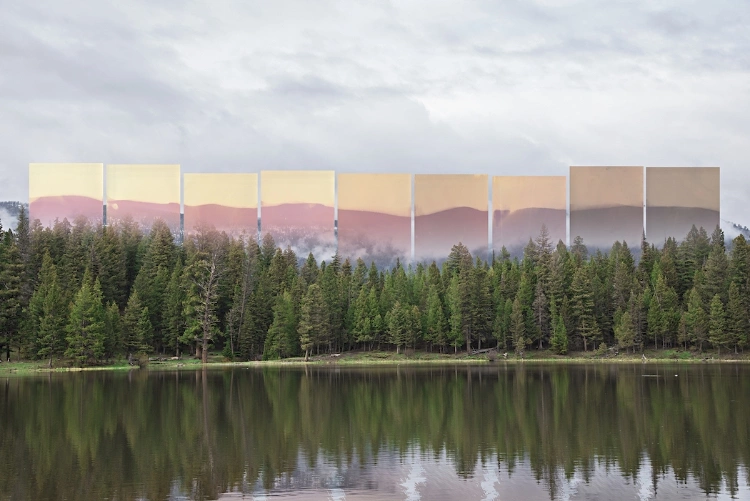
The digital frontier is particularly exciting. Artists working with projection mapping, augmented reality, and AI-generated environments are pushing installation art into territory that even Duchamp could not have imagined. Our team has covered some of these avant-garde approaches to moving image in depth, and the parallels between experimental film and digital installation are striking.
Frequently Asked Questions
What is installation art in simple terms?
Installation art is a three-dimensional art form that transforms an entire space — a room, building, or outdoor area — into a unified artwork. Unlike a painting or sculpture, the viewer enters the work and becomes part of it. The space itself is as important as any physical material the artist uses.
Who invented installation art?
No single artist invented it, but Marcel Duchamp is widely credited with laying the groundwork in the 1930s and 1940s. Allan Kaprow's "Happenings" in the late 1950s and the Fluxus movement further developed the concept. The term "installation art" itself came into common use in the 1970s.
How is installation art different from sculpture?
Sculpture is a self-contained object that can be moved from place to place. Installation art is designed for a specific space and transforms that space entirely. The viewer walks around a sculpture but walks inside an installation. Removing an installation from its intended environment fundamentally changes or destroys it.
Can installation art be permanent?
Some installations are permanent — Judy Chicago's The Dinner Party is permanently housed at the Brooklyn Museum, and James Turrell's skyspaces are built into permanent structures. However, many installations are intentionally temporary, existing for weeks or months before being dismantled.
How much does it cost to create an installation?
Costs range from a few thousand dollars for a small gallery piece using found objects to several million for major institutional commissions. Olafur Eliasson's The Weather Project at Tate Modern and Ai Weiwei's Sunflower Seeds each cost well into six figures to produce, not counting institutional overhead.
Can anyone create installation art?
Technically, anyone with a space and materials can create an installation. Many emerging artists start with small, low-budget installations in alternative spaces, apartments, or pop-up venues. The barrier to entry is imagination and spatial thinking, not credentials or expensive materials.
Why is installation art often temporary?
Temporality serves the art. Many installations use perishable materials, rely on specific environmental conditions, or are funded as limited exhibitions. The impermanence also creates urgency — knowing a work will disappear heightens the emotional impact of experiencing it firsthand.
Where can most people see installation art?
Major museums like Tate Modern, MoMA, the Guggenheim, and Dia:Beacon regularly feature installation works. Art festivals such as Burning Man, Vivid Sydney, and Venice Biennale showcase large-scale installations. Many cities also host public art programs that commission temporary outdoor installations throughout the year.
Final Thoughts
Installation art remains one of the most vital and boundary-pushing genres in contemporary art — a form that refuses to sit still, be contained, or play by the rules of traditional media. For anyone who has never experienced an installation in person, our team strongly recommends seeking one out at a local museum, gallery, or public art event. Walk inside the work, let the space reshape perception, and discover firsthand why this art form continues to captivate millions around the world.


About David Fox
David Fox is an artist and writer whose work spans painting, photography, and art criticism. He created davidcharlesfox.com as a platform for exploring the history, theory, and practice of visual art — covering everything from Renaissance masters and modernist movements to contemporary works and the cultural context that shapes how art is made and received. At the site, he covers art history, architecture, anime art and culture, collecting guidance, and profiles of influential artists across centuries and movements.
Now get FREE Gifts. Or latest Free phones here.
Disable Ad block to reveal all the secrets. Once done, hit a button below