Ray Wise: Biography, Career, and Notable Roles
by David Fox
Ray Wise is a veteran American actor whose career spans five decades across film, television, and theater, with his portrayal of Leland Palmer in David Lynch's Twin Peaks standing as one of the most haunting performances in television history. A comprehensive Ray Wise actor biography and filmography reveals an artist of extraordinary range, equally adept at conveying paternal warmth, sinister menace, and sharp comedic timing — qualities that have made him a fixture in genre cinema and prestige television alike. His body of work intersects with broader conversations in art commentary, where the relationship between performer and auteur director mirrors the dynamic between artist and patron throughout history.
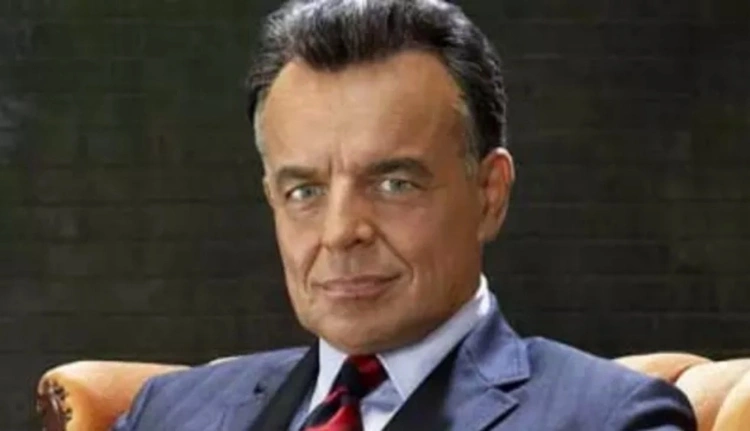
Born on August 20, 1947, in Akron, Ohio, Wise developed an early passion for performance that would carry him from regional theater stages to Hollywood sound stages. His classical training and discipline set him apart from many of his contemporaries, granting him a theatrical gravitas that directors have consistently sought for roles requiring emotional complexity and psychological depth.
Much like the avant-garde filmmakers profiled in the story of Jonas Mekas and his cinematic legacy, Wise has repeatedly gravitated toward projects that challenge conventional storytelling, favoring directors with distinctive artistic visions over purely commercial ventures.
Contents
Origins and Artistic Formation
Ohio Roots and Early Ambitions
Ray Wise grew up in a working-class household in Akron, Ohio, where exposure to community theater productions sparked his lifelong commitment to acting. The Midwest of the mid-twentieth century offered limited avenues for aspiring performers, but Wise pursued drama through high school and into college with singular focus. His formative years coincided with a period of significant cultural upheaval in American arts — the same era that saw movements like the rise of modern art reshaping creative expression across every medium.
Stage Training and First Professional Work
After studying at Kent State University, Wise relocated to pursue professional theater work, building a foundation in classical and contemporary stage productions. Key elements of his early training included:
- Shakespearean repertory work that developed his vocal range and physical presence
- Method-influenced techniques drawn from the Actors Studio tradition
- Regional theater roles that demanded rapid character transformation
- Early television guest appearances throughout the late 1970s on shows including The Bionic Woman and Dallas
This rigorous apprenticeship established the technical versatility that would later define his screen career, allowing him to shift between sympathetic and threatening personas with unsettling ease.
Career Milestones and the Economics of Character Acting
From Swamp Thing to Prestige Television
Wise's first major film role came in Wes Craven's Swamp Thing (1982), where he played a doomed government agent — a part that introduced him to the horror and genre filmmaking community. The economics of character acting in Hollywood have always favored performers willing to work across budgets and formats, and Wise embraced this model fully. His willingness to appear in studio productions, independent films, and direct-to-video releases ensured steady employment while building an extraordinarily diverse résumé.
The Twin Peaks Phenomenon
The role that permanently elevated Wise's standing was Leland Palmer in David Lynch's Twin Peaks (1990–1991), a performance widely regarded as one of television's greatest. Leland's arc — from grieving father to possessed killer — demanded an actor capable of conveying genuine pathos and supernatural terror within the same scene. Wise delivered what critics and scholars have called a masterclass in sustained emotional intensity, particularly in the second-season reveal episode that drew record viewership.
The artistic partnership between Wise and Lynch mirrors the kind of creative symbiosis explored in profiles of Robert Rauschenberg's artistic identity, where collaboration between visionary creator and skilled executor produces work greater than either could achieve alone.
Iconic Roles at a Glance
Key Performances by Genre and Impact
Any thorough Ray Wise actor biography and filmography must account for the sheer breadth of his output. The following table highlights his most significant roles across different genres and decades, demonstrating how his career has evolved while maintaining consistent quality.
| Production | Year | Role | Genre | Cultural Impact |
|---|---|---|---|---|
| Swamp Thing | 1982 | Dennis Wise | Horror/Sci-Fi | Launched genre career |
| Twin Peaks | 1990–2017 | Leland Palmer | Drama/Mystery | Career-defining; Emmy-worthy |
| RoboCop | 1987 | Leon Nash | Action/Sci-Fi | Cult classic ensemble |
| Dead End | 2003 | Frank Harrington | Horror/Comedy | Festival favorite; lead role |
| Reaper | 2007–2009 | The Devil | Comedy/Fantasy | Fan-favorite portrayal |
| Tim and Eric | 2007–2010 | Various | Comedy | Alt-comedy crossover |
| Twin Peaks: The Return | 2017 | Leland Palmer | Drama/Surrealism | Legacy cemented |
A Guide to Essential Ray Wise Performances
Genre-by-Genre Recommendations
Navigating a filmography of over 200 credits requires a strategic approach. The following recommendations serve as a curated entry point organized by genre preference:
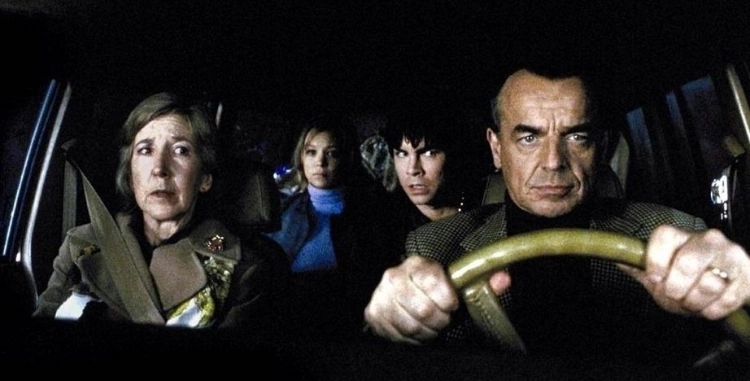
- Horror enthusiasts should begin with Dead End (2003), where Wise carries the film as a patriarch trapped in a nightmarish road trip, and then explore Jeepers Creepers 2 from the same year
- Drama audiences benefit most from watching both seasons of Twin Peaks in sequence, allowing Leland Palmer's arc to unfold with full impact
- Comedy fans will find his recurring role as the Devil in Reaper irresistibly charming, showcasing his ability to play menace with a wink
- Fans of innovative visual storytelling should prioritize Twin Peaks: The Return, which pushed television's formal boundaries
Overlooked Work Worth Seeking Out
Beyond the marquee roles, several lesser-known performances deserve attention from serious cinephiles. His guest turn on Mad Men demonstrated period-drama chops, while his voice work in video games like Command & Conquer: Red Alert 2 revealed a performer comfortable across media formats. His appearance in the independent film Powder Blue (2009) offered a restrained dramatic turn that contrasted sharply with his genre work, much as Timothy Hogan balances commercial and fine art photography.
The Enduring Influence of Ray Wise
Director Collaborations and Artistic Trust
The hallmark of Wise's career has been the trust that auteur directors place in his abilities. David Lynch cast him repeatedly, recognizing that Wise could inhabit the uncanny territory between normalcy and terror that Lynch's work demands. This pattern of director loyalty extends to collaborations with filmmakers across the genre spectrum, from Wes Craven to Alexandre Aja.
Wise's influence on subsequent generations of character actors is measurable in the way casting directors now seek performers with similar range for complex television roles. The explosion of prestige television since the mid-2000s has created demand for exactly the kind of versatile, classically trained performer that Wise represents — actors who can anchor a scene opposite any lead without diminishing the production's dramatic weight.
His work ethic and longevity parallel the dedication seen in artists like Vincent van Gogh, whose relentless productivity, despite limited recognition during certain periods, ultimately built an enduring body of work that continues to resonate with audiences across generations.
When to Explore Ray Wise's Filmography
Best Entry Points for New Viewers
The ideal starting point depends entirely on the viewer's existing taste and tolerance for different genres. Those already familiar with David Lynch's visual universe should proceed directly to Twin Peaks, where Wise's Ray Wise actor biography and filmography reaches its artistic peak. Viewers who prefer lighter material should start with Reaper, which showcases his comedic precision without requiring familiarity with his dramatic work.
General audiences unfamiliar with genre cinema benefit from beginning with his mainstream television appearances — guest spots on shows like How I Met Your Mother, Psych, and Fresh Off the Boat — before progressing to his more demanding horror and drama performances.
For the Dedicated Cinephile
Serious students of screen acting should approach Wise's filmography chronologically, tracking the evolution of his technique from the naturalistic early work through the heightened stylization of his Lynch collaborations and into the self-aware genre performances of his later career. This chronological approach reveals how a skilled performer adapts to changing industry aesthetics while maintaining a consistent artistic identity — a journey not unlike the evolution documented in profiles of Lee Krasner's artistic development within abstract expressionism.
Frequently Asked Questions
What is Ray Wise best known for?
Ray Wise is best known for his portrayal of Leland Palmer in David Lynch's Twin Peaks, a role he originated in 1990 and reprised in Twin Peaks: The Return in 2017. The performance is widely cited as one of the finest in television history, blending grief, horror, and psychological complexity in a way that remains unmatched in the medium.
How many films and television shows has Ray Wise appeared in?
Ray Wise has accumulated over 200 film and television credits across a career spanning five decades. His work ranges from major studio productions like RoboCop to independent horror films, voice acting in video games, and recurring roles on comedy series including Reaper and Tim and Eric Awesome Show, Great Job!.
Is Ray Wise still acting?
Ray Wise remains active in the entertainment industry, continuing to take on roles in both film and television. His consistent output and willingness to work across genres and budget levels have made him one of the most prolific character actors of his generation, with no indication of slowing down.
Next Steps
- Watch Twin Peaks Seasons 1 and 2 to experience the Leland Palmer arc in full — pay particular attention to Wise's physical performance choices during the possession sequences and the emotional range displayed in the reveal episode.
- Follow up with Dead End (2003) for a concentrated showcase of Wise's ability to carry a film as a lead, then compare his comedic timing in Reaper to map the full spectrum of his range.
- Explore Twin Peaks: The Return (2017) to see how Wise and Lynch revisited Leland Palmer within Lynch's most ambitious and experimental work, and consider how the performance recontextualizes the original series.
- Read critical essays on character acting in American cinema and television to place Wise's career within the broader tradition of performers who shaped screen storytelling from supporting positions rather than leading-man status.


About David Fox
David Fox is an artist and writer whose work spans painting, photography, and art criticism. He created davidcharlesfox.com as a platform for exploring the history, theory, and practice of visual art — covering everything from Renaissance masters and modernist movements to contemporary works and the cultural context that shapes how art is made and received. At the site, he covers art history, architecture, anime art and culture, collecting guidance, and profiles of influential artists across centuries and movements.
Now get FREE Gifts. Or latest Free phones here.
Disable Ad block to reveal all the secrets. Once done, hit a button below