Sherilyn Fenn TV Roles
by David Fox
Sherilyn Fenn's best TV roles represent some of the most compelling character work in American television, spanning from the early 1990s through the modern streaming era. Our team at DavidCharlesFox has long admired how Fenn brings a painter's sensibility to her performances — layering vulnerability, intensity, and mystery in ways that remind us of the emotional depth found across the best art commentary traditions. From the haunting corridors of Twin Peaks to the chaotic households of Shameless, Fenn has built a body of work that deserves serious critical attention, and we believe most fans have only scratched the surface of what she accomplished on the small screen.
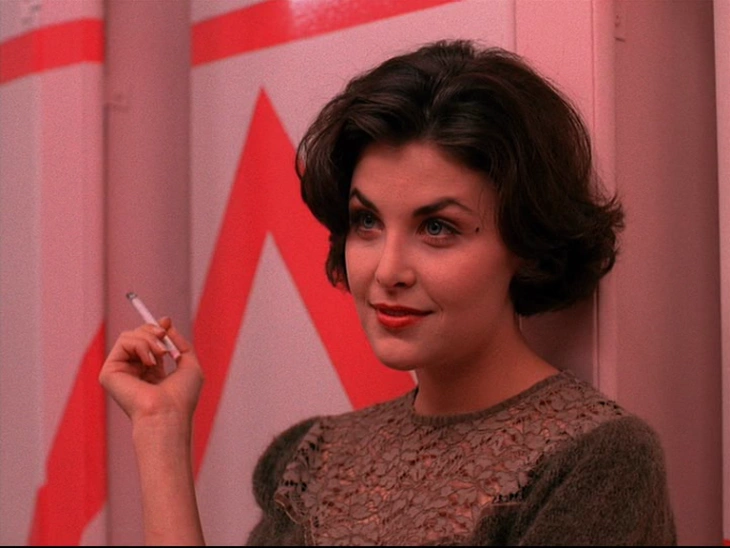
What sets Fenn apart from many actors of her generation is her willingness to take risks with unconventional material, much like the avant-garde filmmakers who refused to play it safe. She never settled into a single archetype, and that restless creative spirit is precisely what makes revisiting her television career so rewarding for anyone interested in the intersection of performance and visual storytelling.
Our experience covering artists who defy easy categorization — from Lee Krasner's abstract expressionism to the Fluxus movement's subversions — has taught us that the most interesting careers are rarely the most conventional ones, and Fenn's trajectory proves that point beautifully.
Contents
What Makes Sherilyn Fenn's Best TV Roles Stand Out
When our team analyzes Sherilyn Fenn's best TV roles collectively, a clear pattern emerges that separates her from typical television performers of the late twentieth century. She consistently gravitates toward characters who carry internal contradictions — women who are simultaneously fragile and fierce, seductive and deeply wounded, comic and tragic within the same scene.
Emotional Range as a Signature
Fenn's ability to shift emotional registers without telegraphing the transition is something our team considers genuinely rare among television actors. In Twin Peaks alone, her portrayal of Audrey Horne moves from playful teenage rebellion to genuine heartbreak with a fluidity that most performers simply cannot achieve, and that skill carried forward into every subsequent role she took on.
Pro insight: Most people studying acting for screen would benefit enormously from watching how Fenn uses silence and stillness — she communicates more in a held gaze than many actors manage with a full monologue.
Key qualities that define her performances include:
- A naturalistic delivery that avoids the staginess common in early 1990s television
- Physical expressiveness that recalls the gestural intensity of abstract expressionist artists
- Willingness to play morally ambiguous characters without seeking audience sympathy
- An instinct for comedic timing that often goes unrecognized in discussions of her career
Visual Presence and Screen Composition
Directors have consistently noted that Fenn understands how to work within a frame, positioning herself with an awareness of composition that transforms ordinary dialogue scenes into something visually compelling. David Lynch recognized this quality immediately, and it became a defining element of her work throughout the decades that followed.
Tracing Fenn's Career from Twin Peaks to Shameless
Understanding the full arc of Fenn's television career requires following a path that spans over three decades of American television, and our team finds the journey genuinely fascinating when examined chronologically.
The Twin Peaks Era
Audrey Horne remains the role most people associate with Fenn, and for good reason — it was a career-defining performance that helped reshape what audiences expected from television drama. Working alongside Ray Wise, whose own performance as Leland Palmer became equally iconic, Fenn created a character who embodied the show's central tension between surface beauty and hidden darkness. The role earned her a Golden Globe nomination and established her as one of the most watchable performers on television.
Mid-Career Television Work
After Twin Peaks, Fenn navigated the challenging landscape of 1990s and 2000s television with a series of guest roles and recurring parts that showcased her versatility.
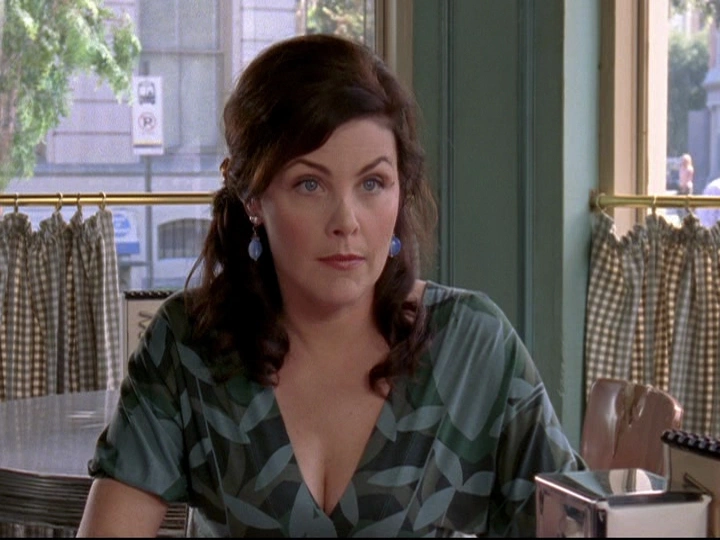
Her role as Anna Nardini on Gilmore Girls brought a grounded maternal energy that contrasted sharply with her earlier work, while her turn as Queenie Slott on Shameless proved she could inhabit the raw, unvarnished world of contemporary prestige television with total commitment.
Worth noting: Fenn's willingness to take supporting roles in ensemble shows rather than holding out for leads is something our team respects — it speaks to a commitment to craft over ego that keeps a career alive across decades.
Underrated Performances Most Fans Overlook
The biggest mistake most viewers make when assessing Fenn's career is stopping at Twin Peaks and Shameless without exploring the substantial work she did in between, and our team wants to correct that oversight with some specific recommendations.
Rude Awakening and Comedy Chops
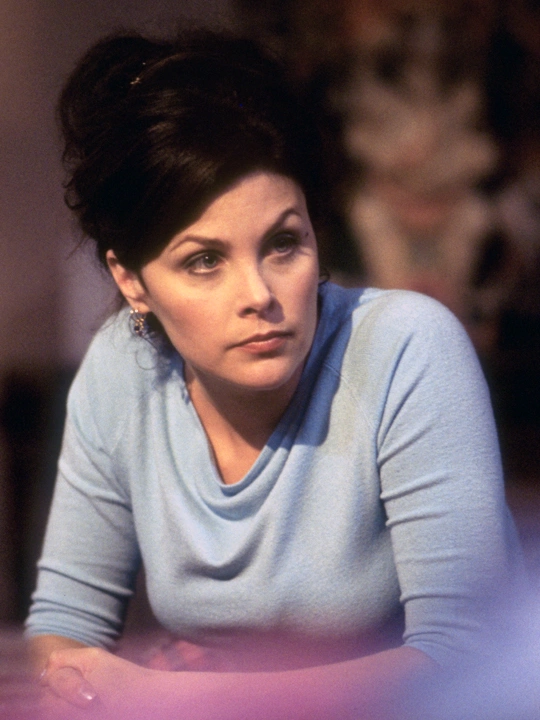
Rude Awakening ran for three seasons on Showtime and gave Fenn the chance to anchor a half-hour comedy as Billie Frank, a recovering addict navigating Hollywood's absurdities. This is a genuinely underappreciated performance where Fenn demonstrated sharp comedic instincts that her dramatic work only hinted at, and our team considers it essential viewing for anyone who thinks they know what she can do.
The Outer Limits and Genre Work
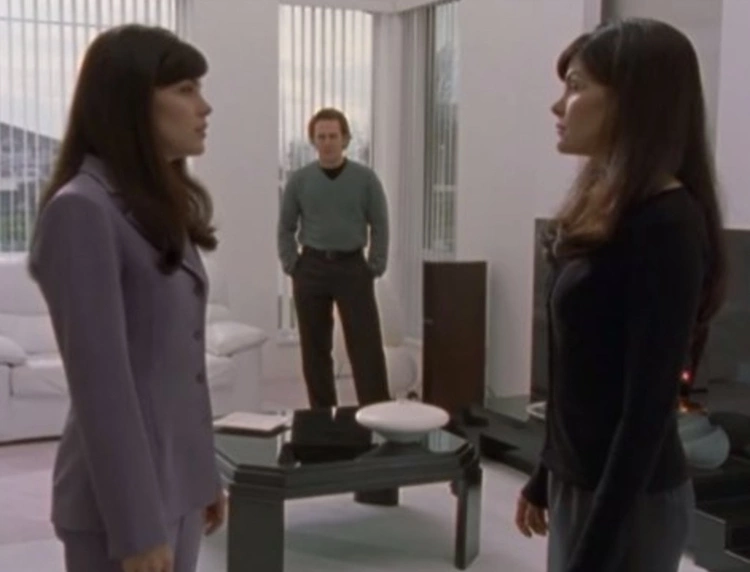
Her appearance on The Outer Limits as Nora Griffiths showed that Fenn could carry speculative fiction with the same conviction she brought to Lynch's surrealism, which connects to the broader tradition of artists who thrive when working within experimental visual frameworks. Similarly, her guest spot on Dawson's Creek as Alex Pearl brought unexpected depth to what could have been a throwaway role.
Essential Sherilyn Fenn Roles to Watch First
For anyone looking to explore Sherilyn Fenn's best TV roles in a structured way, our team has assembled what we consider the optimal viewing order, balancing chronology with impact and accessibility.
A Starter Guide for Newcomers
| Show | Role | Years | Why It Matters | Priority |
|---|---|---|---|---|
| Twin Peaks | Audrey Horne | 1990–1991, 2017 | Career-defining; launched her into cultural consciousness | Essential |
| Rude Awakening | Billie Frank | 1998–2001 | Reveals her full comedic range as a leading performer | High |
| Shameless (US) | Queenie Slott | 2015–2016 | Raw, fearless late-career work in a prestige ensemble | High |
| Gilmore Girls | Anna Nardini | 2006–2007 | Grounded dramatic work showing maternal complexity | Medium |
| The Outer Limits | Nora Griffiths | 1995 | Strong genre performance with emotional weight | Medium |
| Dawson's Creek | Alex Pearl | 2001 | Memorable guest turn that elevated the material | Worth watching |
| Twin Peaks: The Return | Audrey Horne | 2017 | Haunting, divisive return that deepened the original | Essential |
Our recommendation is to start with the original Twin Peaks, then jump to Rude Awakening before circling back to the guest appearances — this order best demonstrates the breadth of her talent without the chronological lulls that can make a linear viewing feel uneven.
Quick tip: Anyone watching Twin Peaks: The Return without having seen the original series first will miss the emotional weight of Fenn's scenes entirely — context is everything with Lynch's work.
The Cultural Value of Fenn's Television Legacy
Our team believes Fenn's career carries cultural significance that extends well beyond entertainment, touching on how American television has valued — and frequently undervalued — complex female performers over the past three decades.
Influence on Modern Television
The archetype Fenn helped establish with Audrey Horne — the dangerously intelligent young woman who refuses to be defined by how others perceive her — has become a foundational character type in prestige television. According to her documented career history, Fenn's influence can be traced through characters on shows from Buffy to Euphoria, even when the connection goes uncredited.
Much like how Norman Rockwell's illustrations captured something essential about American identity that transcended their commercial origins, Fenn's television work captured truths about female experience that outlasted the shows themselves. Her career parallels the journey of many visual artists our team covers — periods of intense recognition followed by quieter years of steady, meaningful work that only gains full appreciation in retrospect.
What makes Fenn's legacy particularly valuable is that she never compromised her artistic instincts for commercial safety, a quality our team consistently admires whether we encounter it in painters, filmmakers, or television performers.
Frequently Asked Questions
What is Sherilyn Fenn most famous for?
Fenn is most widely recognized for playing Audrey Horne in David Lynch's Twin Peaks, a role that earned her a Golden Globe nomination and established her as one of the most iconic television performers of the early 1990s.
How many seasons of Twin Peaks did Sherilyn Fenn appear in?
Fenn appeared in both original seasons of Twin Peaks from 1990 to 1991, and she returned for Twin Peaks: The Return on Showtime in 2017, making her one of the few cast members to span the entire franchise.
What other TV shows has Sherilyn Fenn starred in?
Beyond Twin Peaks, Fenn starred in Rude Awakening on Showtime for three seasons and had notable recurring roles on Gilmore Girls, Shameless, Ray Donovan, and S.W.A.T., among numerous guest appearances throughout her career.
Did Sherilyn Fenn win any awards for her television work?
Fenn received a Golden Globe nomination for Best Supporting Actress in a Series for Twin Peaks, and while she has not won a major television award, her critical reputation among industry peers and dedicated fans remains exceptionally strong.
What was Sherilyn Fenn's role on Shameless?
Fenn played Queenie Slott, the estranged mother of Frank Gallagher's wife Monica, appearing in the sixth and seventh seasons with a raw, uninhibited performance that demonstrated her continued willingness to take creative risks.
Is Sherilyn Fenn still acting in television?
Fenn remains active in the entertainment industry, taking on both television and film projects while also engaging with her fanbase through conventions and social media, and our team expects her to continue delivering strong performances.
Why is Audrey Horne considered such an iconic TV character?
Audrey Horne broke the mold of the typical television ingenue by combining vulnerability with intelligence and agency, creating a template for complex female characters that influenced decades of prestige television writing and performance.
Key Takeaways
- Sherilyn Fenn's best TV roles span three decades and demonstrate a range from Lynchian drama to sharp comedy that few television actors can match.
- The most common oversight among fans is ignoring her mid-career work — Rude Awakening and The Outer Limits reveal dimensions that Twin Peaks alone cannot capture.
- Fenn's influence on the archetype of the complex, intelligent female television character extends from the 1990s through modern prestige programming.
- Starting with Twin Peaks and then exploring Rude Awakening before her guest roles provides the most rewarding path through her television career.


About David Fox
David Fox is an artist and writer whose work spans painting, photography, and art criticism. He created davidcharlesfox.com as a platform for exploring the history, theory, and practice of visual art — covering everything from Renaissance masters and modernist movements to contemporary works and the cultural context that shapes how art is made and received. At the site, he covers art history, architecture, anime art and culture, collecting guidance, and profiles of influential artists across centuries and movements.
Now get FREE Gifts. Or latest Free phones here.
Disable Ad block to reveal all the secrets. Once done, hit a button below