Top 10 Contemporary Photographers You Should Know
by David Fox
A few years ago, our team attended a small gallery opening in Brooklyn where a single black-and-white portrait — raw, unflinching, nearly life-sized — stopped every conversation in the room. That image, taken by Lee Jeffries, reminded us why the best contemporary photographers today remain as vital to the art world as any painter or sculptor. Photography has evolved far beyond documentation; it is now a primary medium for cultural commentary, emotional provocation, and visual innovation. For anyone exploring the broader world of famous male artists in history, these ten photographers deserve serious attention alongside the old masters.

What makes a photographer "contemporary" isn't simply being alive right now. It's an active engagement with modern themes — identity, globalization, displacement, consumer culture — filtered through a distinctive visual language. Our team has spent years studying and collecting work from photographers who push boundaries, and this guide distills that experience into a practical resource.
Below, we profile ten artists whose work belongs in any serious conversation about photography, then break down the gear, costs, common mistakes, and preservation methods that matter most when engaging with this medium.
Contents
- Profiles of the Best Contemporary Photographers Today
- The Gear and Techniques Behind Iconic Images
- What Contemporary Photography Actually Costs
- Mistakes Most People Make When Studying This Medium
- Diagnosing What Separates a Good Print from a Great One
- Preserving and Displaying Photographic Art
- Frequently Asked Questions
- Final Thoughts
Profiles of the Best Contemporary Photographers Today
Annie Leibovitz & Lee Jeffries
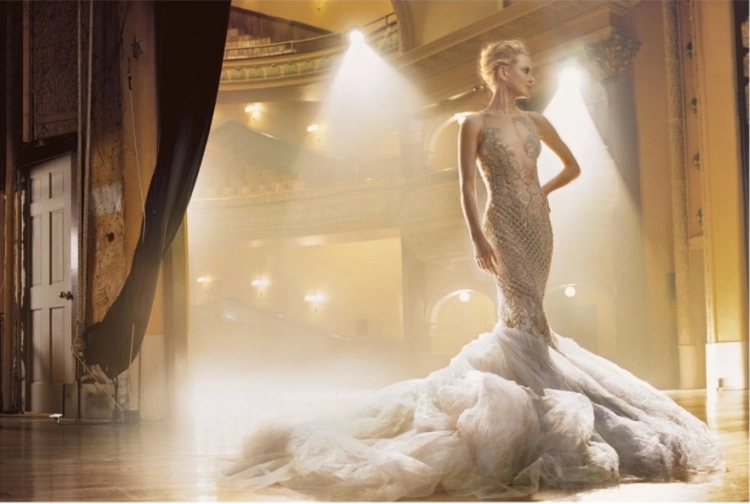
Annie Leibovitz needs little introduction. Her celebrity portraits for Vanity Fair and Rolling Stone are embedded in popular culture, but what separates Leibovitz from other celebrity photographers is her theatrical staging and emotional control. Each frame is a constructed narrative — closer to a Renaissance painting than a candid snapshot.
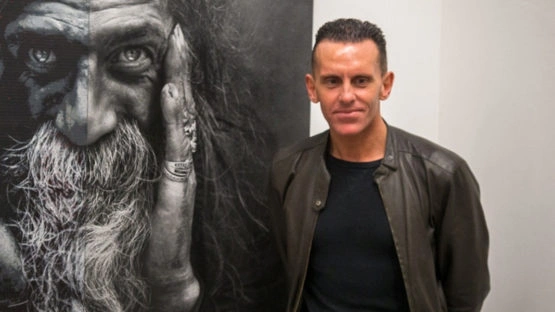
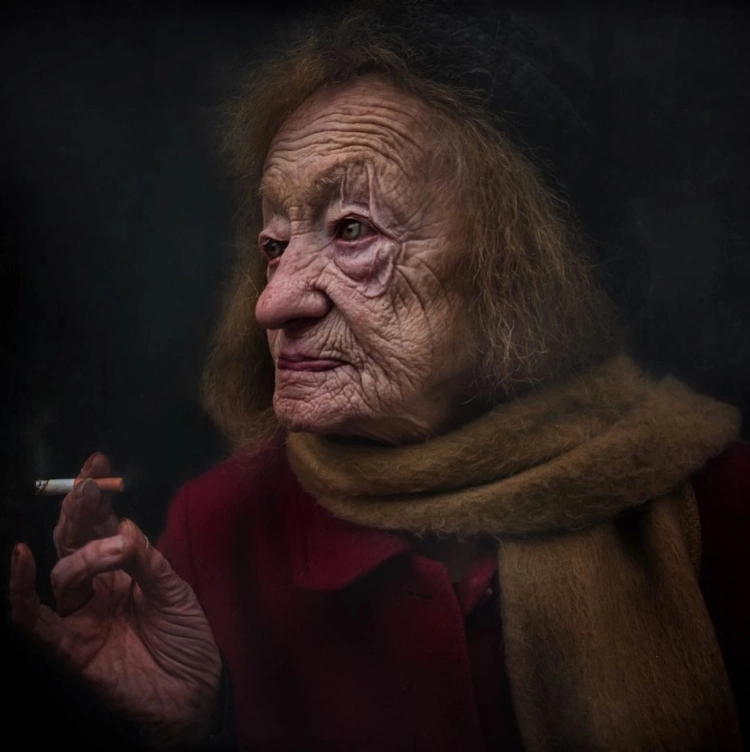
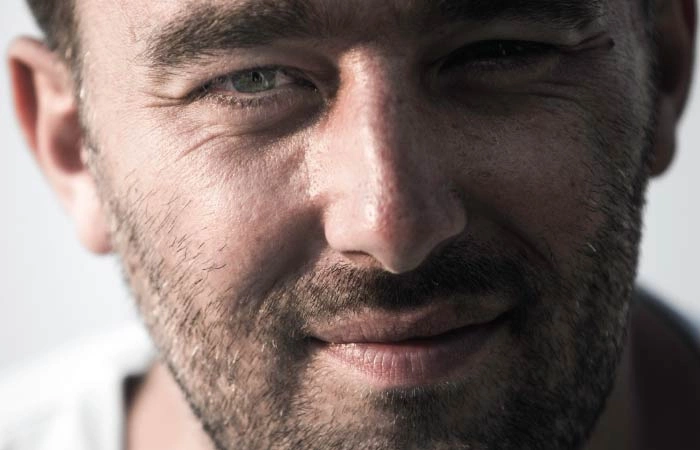
Lee Jeffries operates at the opposite end of the spectrum. A self-taught street photographer from Manchester, Jeffries creates intensely intimate portraits of people experiencing homelessness. His process involves spending hours in conversation before ever raising a camera — a method our team considers essential for ethical documentary work.
Pro insight: The best contemporary photographers today share one habit — they develop a relationship with the subject before the shoot, not during it. Rushing the human connection always shows in the final image.
Timothy Hogan & Réhahn Croqueville
Timothy Hogan's commercial photography proves that art and commerce are not mutually exclusive. His still-life work for luxury brands treats bottles, watches, and liquor the way Dutch masters treated fruit and silver — with meticulous lighting and obsessive compositional balance.
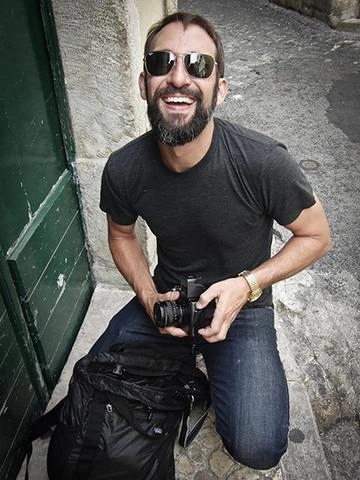

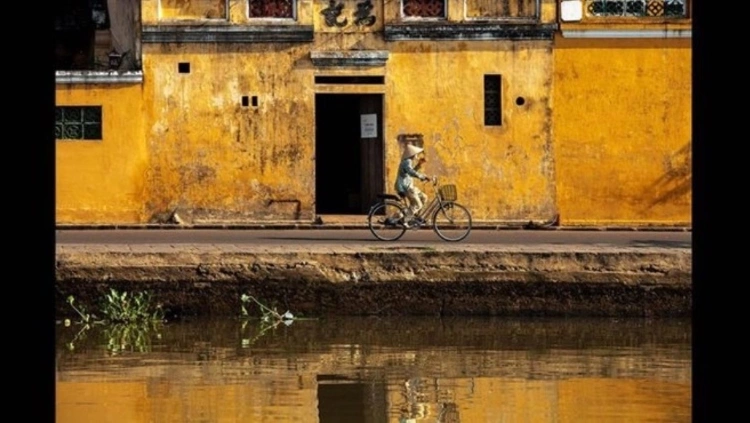
Réhahn Croqueville, a French photographer based in Vietnam, focuses on ethnic minority cultures across Asia. His portraits capture vanishing traditions with vivid color and striking intimacy. Réhahn's "Precious Heritage" museum in Hoi An houses over 50 costumes from Vietnamese ethnic groups — a rare case of a photographer building a physical archive alongside the photographic one.

Steve McCurry & Jason M. Peterson
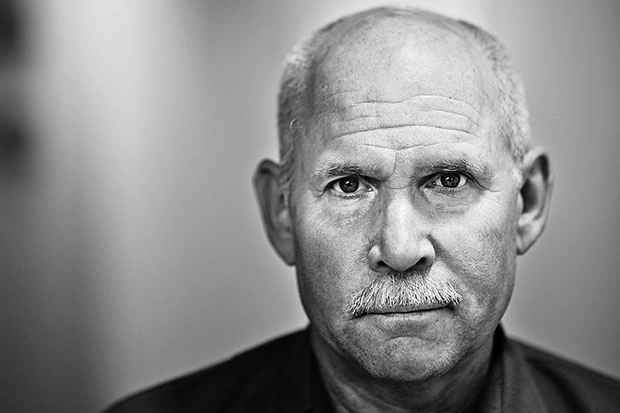
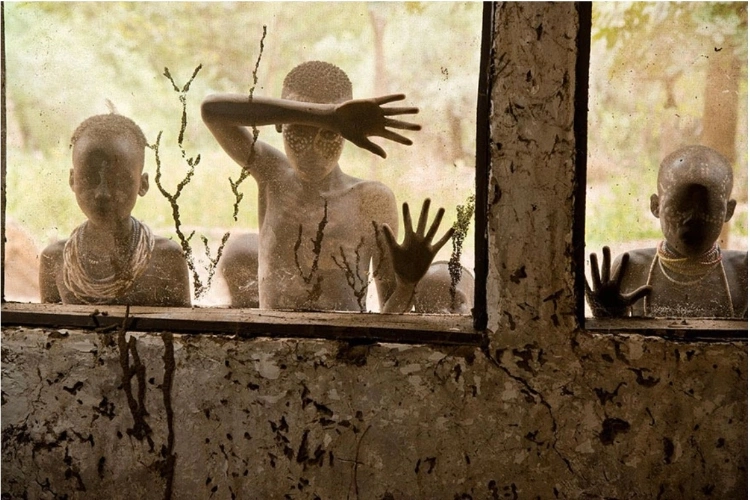
Steve McCurry's "Afghan Girl" remains one of the most recognized photographs in history, but his body of work extends across decades of conflict, culture, and travel photography. McCurry's mastery lies in color — saturated, precise, and emotionally loaded.
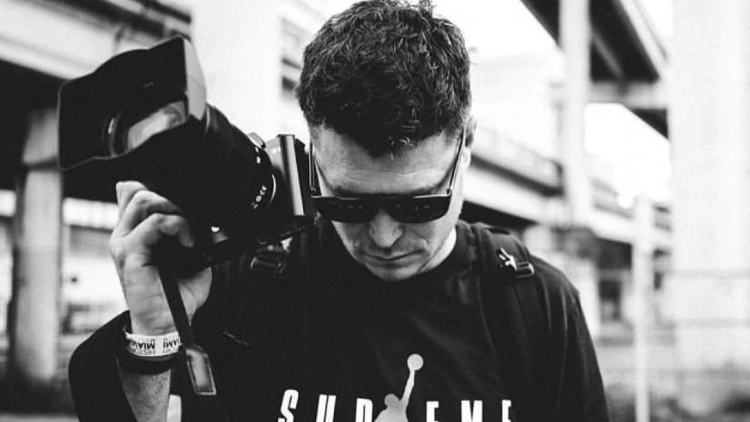
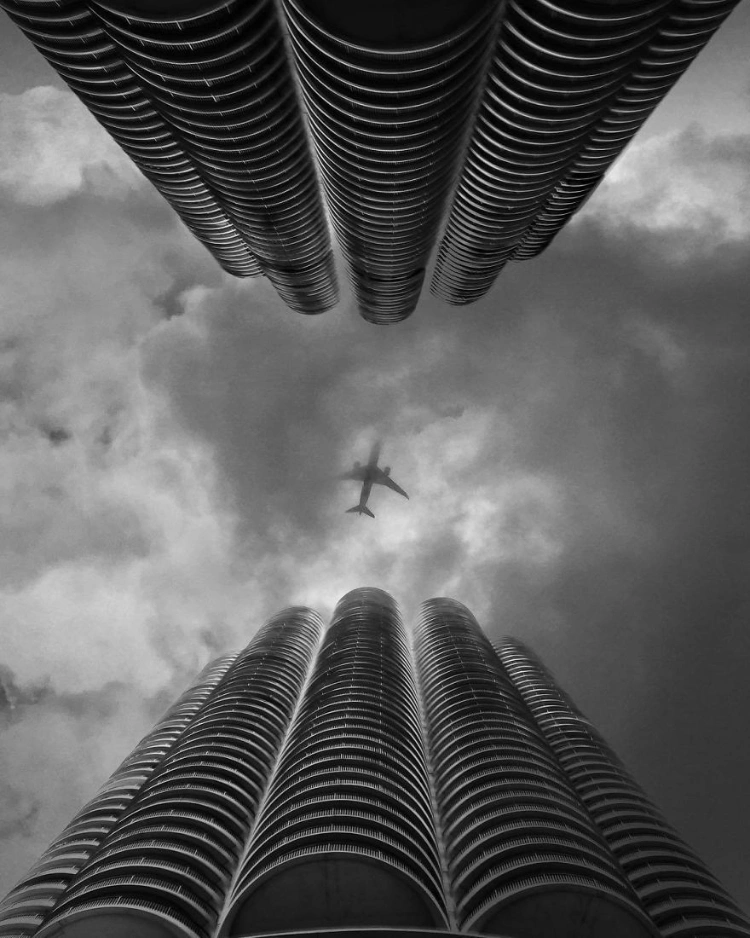
Jason M. Peterson takes the opposite approach. Working exclusively in high-contrast black and white, Peterson built his audience through Instagram, proving that social media can serve as a legitimate gallery. His urban compositions — stark shadows, isolated figures, geometric architecture — owe a clear debt to the street photography tradition while pushing it into the digital age.
The Gear and Techniques Behind Iconic Images
Joe McNally & Boogie
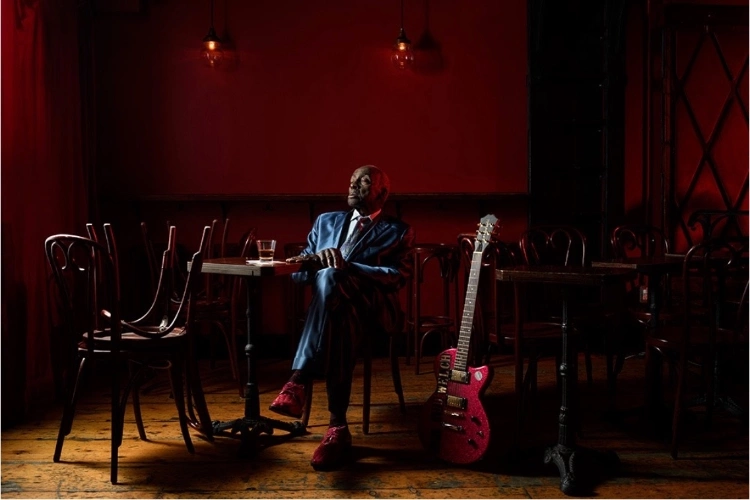
Understanding the best contemporary photographers today means understanding their tools. Joe McNally is widely considered one of the greatest living lighting technicians. His work for National Geographic and Sports Illustrated relies on complex multi-flash setups — sometimes a dozen Speedlights triggered in sequence.

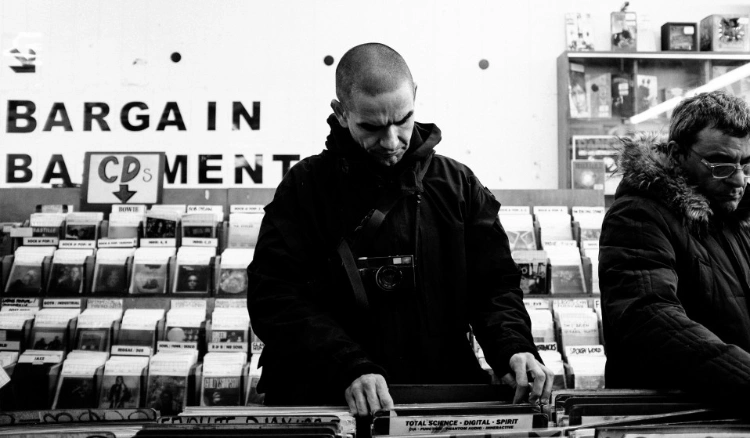
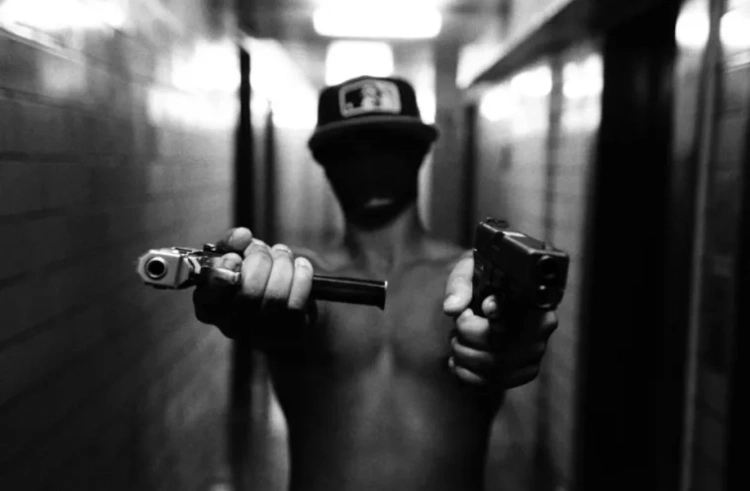
Boogie (Vladimir Milivojevich) works with minimal gear. His raw documentation of gang culture, drug use, and urban decay in Brooklyn demands speed, discretion, and trust. Our team notes that Boogie's approach — a single body, one prime lens, available light — strips away technical barriers and forces the photographer into pure observation.
Key gear considerations for anyone studying these photographers:
- McNally's approach — Nikon bodies, Speedlight system, CTO/CTB gels, radio triggers
- Boogie's approach — One full-frame body, 35mm or 50mm prime, no flash
- Leibovitz's approach — Medium format digital, extensive studio lighting, large production teams
- Peterson's approach — iPhone for much of his published work, proving the camera matters less than vision
Warning: Gear obsession is the single biggest trap for aspiring photographers. Most people spend thousands on equipment while neglecting the discipline of seeing — the one skill every photographer on this list has mastered.
What Contemporary Photography Actually Costs
Collecting work from the best contemporary photographers today ranges from surprisingly accessible to museum-level investment. Our team has tracked auction and gallery pricing for these artists over several years.
| Photographer | Entry-Level Print | Mid-Range Edition | Museum/Large Format |
|---|---|---|---|
| Annie Leibovitz | $5,000–$10,000 | $20,000–$60,000 | $100,000+ |
| Steve McCurry | $4,000–$8,000 | $15,000–$40,000 | $80,000+ |
| Lee Jeffries | $1,500–$3,000 | $5,000–$12,000 | $20,000+ |
| Réhahn Croqueville | $800–$2,000 | $3,000–$8,000 | $15,000+ |
| Jason M. Peterson | $1,000–$3,000 | $5,000–$10,000 | $15,000+ |
| Joe McNally | $2,000–$5,000 | $8,000–$15,000 | $25,000+ |
| Boogie | $1,200–$3,000 | $5,000–$10,000 | $18,000+ |
| Tomasz Gudzowaty | $1,500–$4,000 | $6,000–$12,000 | $20,000+ |
| Nobuyoshi Araki | $3,000–$8,000 | $15,000–$40,000 | $75,000+ |
| Timothy Hogan | $1,000–$3,000 | $4,000–$10,000 | Commission-based |
Edition size matters enormously. A Leibovitz print in an edition of 5 commands multiples of a comparable image in an edition of 50. Our experience shows that buying early in an edition — particularly from mid-career artists like Jeffries and Réhahn — offers the strongest long-term value.
Mistakes Most People Make When Studying This Medium
After years of gallery visits, portfolio reviews, and conversations with collectors, our team sees the same errors repeated. Contemporary photography is easy to consume but difficult to evaluate without training. Much like the conceptual depth found in installation art, photographic work demands context.
- Judging by subject alone — A beautiful landscape doesn't make a great photograph. Composition, timing, light, and emotional resonance all factor in.
- Ignoring print quality — The difference between a screen image and an archival pigment print is enormous. Most people never see original prints and misjudge an artist's work based on compressed JPEGs.
- Chasing trends — Social media virality and artistic significance are different things entirely.
- Overlooking context — Boogie's street work hits harder when one understands the neighborhoods and communities depicted. McCurry's portraits gain depth with knowledge of the geopolitics behind them.
Tomasz Gudzowaty — A Case Study in Patience
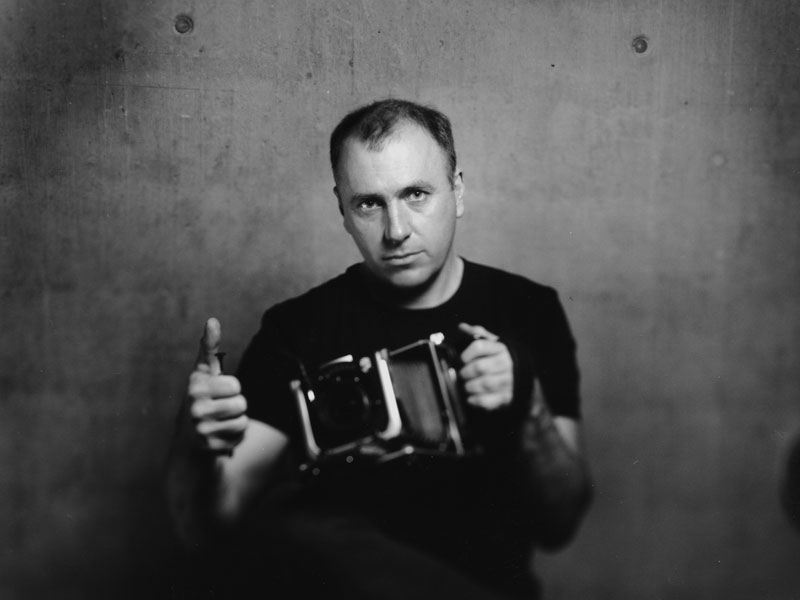
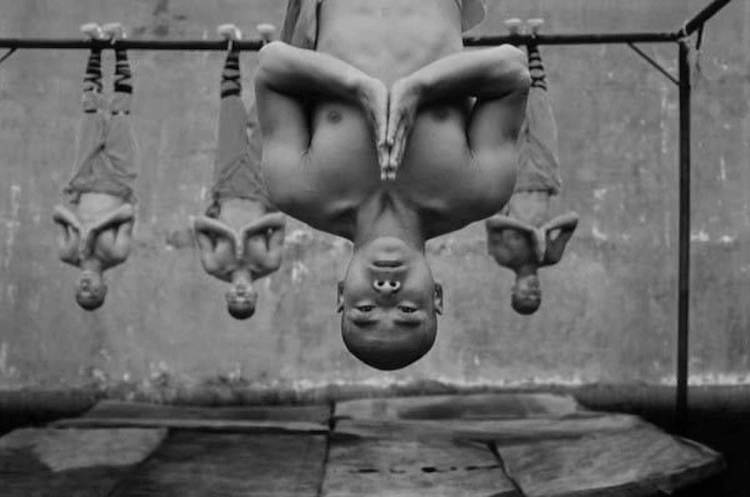
Tomasz Gudzowaty exemplifies why patience matters. The Polish photographer spent years embedding himself in communities — Mongolian wrestlers, Mexican luchadors, Burmese boxers — before creating his award-winning series. His work earned multiple World Press Photo awards not through technical tricks but through sustained commitment.
Diagnosing What Separates a Good Print from a Great One
Nobuyoshi Araki's Uncompromising Vision
When an image falls flat despite strong composition, the problem is almost always emotional distance. Nobuyoshi Araki is the perfect case study. Japan's most prolific photographer has produced over 500 books, blending eroticism, street life, flowers, and personal grief into a body of work that is deliberately uncomfortable.
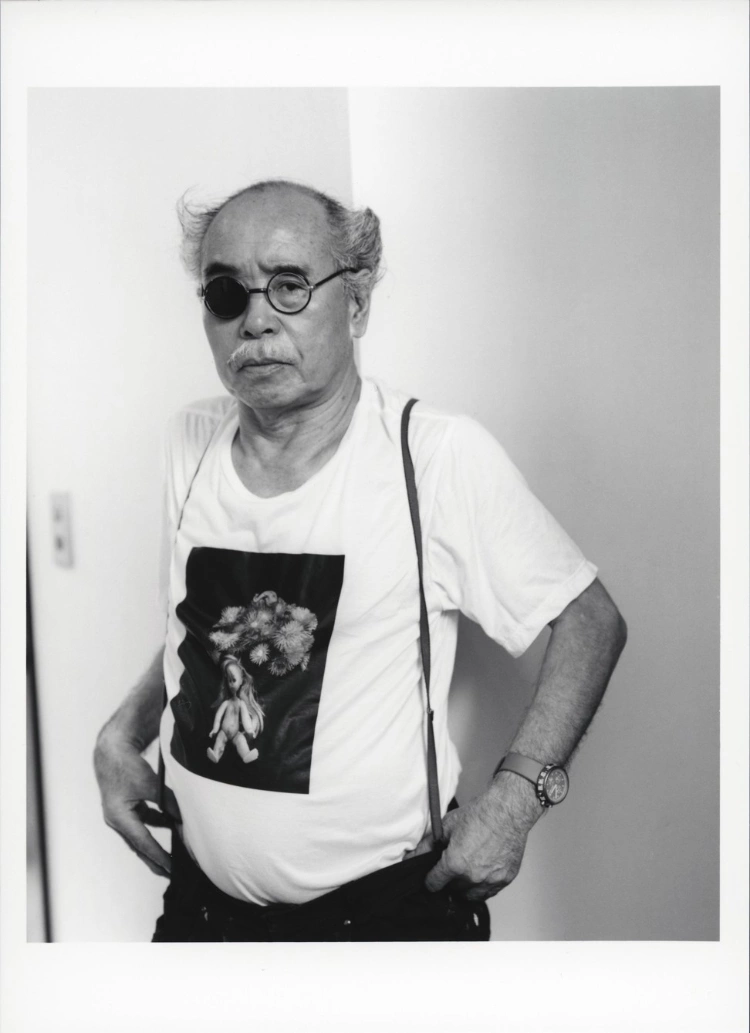
What separates Araki's work from shock value is the unflinching consistency of his gaze. He photographs flowers with the same intensity as bondage — death and desire are treated as parallel forces. Our team recommends examining his "Sentimental Journey" series, documenting his wife's terminal illness, as the entry point for understanding his vision.
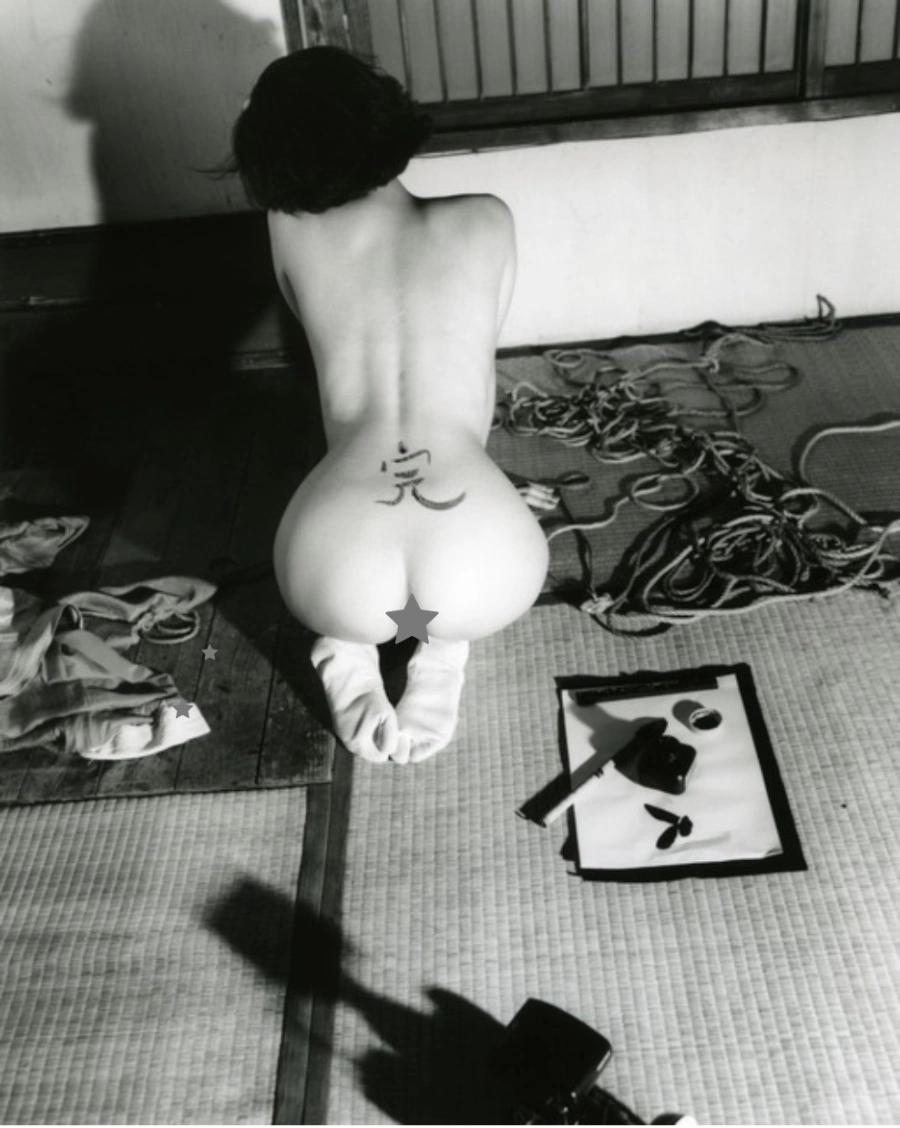
Diagnostic questions our team uses when evaluating a photographic print:
- Does the image reveal something new on the second and third viewing?
- Is the emotional impact carried by the subject or by the photographer's choices?
- Could another photographer have made this exact image? If so, it lacks signature.
- Does the print quality — tonal range, paper choice, scale — enhance the concept?
Tip: When evaluating contemporary photography at a gallery, always ask to see the certificate of authenticity and edition details. Reputable galleries provide full provenance documentation without hesitation.
Preserving and Displaying Photographic Art
Owning work from the best contemporary photographers today means taking preservation seriously. Photographic prints are more vulnerable than oil paintings — light, humidity, and poor framing cause irreversible damage. Our team follows these non-negotiable rules:
- UV-filtering glass or acrylic — Museum glass (99% UV blocking) is the standard. Regular glass offers almost no protection.
- Acid-free matting and backing — Standard mat board releases acids that yellow prints within a decade.
- Climate control — 65–70°F and 30–40% relative humidity. Basements and exterior walls are poor choices.
- No direct sunlight — Even UV glass can't fully prevent fading under sustained direct exposure.
- Handling — Cotton gloves for all handling. Skin oils cause permanent staining on fiber-based prints.
For anyone interested in how visual artists across all mediums handle preservation — from painters to photographers — our coverage of Norman Rockwell's legacy explores how illustration originals face similar conservation challenges.
Storage for unframed prints demands equal care. Interleave with acid-free tissue, store flat in archival boxes, and avoid stacking more than ten prints without additional support. Our team rotates displayed works every six months to minimize cumulative light exposure.
Frequently Asked Questions
Who are the best contemporary photographers today for new collectors?
Our team recommends starting with Lee Jeffries, Réhahn Croqueville, or Jason M. Peterson. Their entry-level prints are priced under $3,000, editions are still available, and all three have strong upward trajectories in the art market. Buying early from mid-career artists with growing institutional recognition historically yields the best returns — both financially and aesthetically.
What is the difference between a contemporary photographer and a fine art photographer?
"Contemporary" refers to artists working within the current cultural moment and engaging with modern themes, while "fine art" describes intent — the work exists as artistic expression rather than commercial assignment. Most photographers on this list operate in both worlds. Annie Leibovitz shoots for magazines and galleries. Timothy Hogan's commercial work hangs in collectors' homes. The boundaries have dissolved considerably.
How can someone tell if a photographic print is a good investment?
Edition size, institutional recognition, exhibition history, and the artist's trajectory all matter. Our team looks for photographers whose work appears in permanent museum collections, whose editions are small (under 25), and who have consistent gallery representation. A print that documents a significant cultural moment — like McCurry's conflict photography — also tends to appreciate more reliably than purely aesthetic work.
Final Thoughts
These ten photographers represent a fraction of the extraordinary work happening in contemporary photography, but they offer a strong foundation for anyone deepening their engagement with the medium. Our team's advice is simple: pick one photographer from this list whose work genuinely moves something in the gut, visit a gallery showing their prints in person, and stand with a single image for ten full minutes. That experience — unmediated by screens, algorithms, or captions — is where real understanding of photography begins, and it will permanently change how anyone sees every photograph afterward.


About David Fox
David Fox is an artist and writer whose work spans painting, photography, and art criticism. He created davidcharlesfox.com as a platform for exploring the history, theory, and practice of visual art — covering everything from Renaissance masters and modernist movements to contemporary works and the cultural context that shapes how art is made and received. At the site, he covers art history, architecture, anime art and culture, collecting guidance, and profiles of influential artists across centuries and movements.
Now get FREE Gifts. Or latest Free phones here.
Disable Ad block to reveal all the secrets. Once done, hit a button below