Timothy Hogan: Commercial Photography Where Art Meets Commerce
by David Fox
What happens when a photographer treats a bottle of whiskey or a pair of sunglasses with the same reverence a Renaissance painter gave to a bowl of fruit? The answer is commercial still life photography — a discipline that sits at the precise intersection of artistic vision and brand storytelling. Timothy Hogan has spent decades perfecting this craft, turning everyday products into objects of desire for clients like Nike, Hennessy, and Ray-Ban. His work proves that commercial photography, far from being soulless corporate output, demands the same compositional rigor found across centuries of art history. Understanding how Hogan operates reveals what separates forgettable product shots from images that stop a viewer mid-scroll.
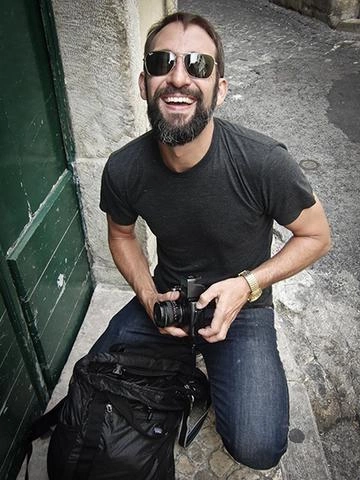
Based in Los Angeles, Hogan built his reputation by refusing to treat commercial assignments as lesser work. Every bottle, every shoe, every watch receives the full force of his lighting expertise and compositional instincts. The results speak for themselves — his images have appeared in campaigns for some of the world's most recognizable brands, and his personal fine art project, The Fin Project, earned gallery exhibitions and a published monograph. That dual identity, commercial craftsman and fine artist, is central to understanding his approach.
His trajectory echoes a broader truth about photography: the best commercial work borrows heavily from fine art traditions. The careful arrangement of objects, the manipulation of light and shadow, the obsessive attention to surface texture — these concerns link Hogan's product shots to the still life paintings of Suzanne Valadon and the Dutch Golden Age masters before her.
Contents
- The Strengths and Limits of Commercial Still Life Photography
- What It Costs to Produce High-End Still Life Imagery
- Essential Gear Behind Professional Still Life Shoots
- Fine Art vs. Commercial Photography: Key Differences
- Timothy Hogan's Most Iconic Campaigns
- When Commercial Still Life Photography Works — and When It Doesn't
- Frequently Asked Questions
- Final Thoughts
The Strengths and Limits of Commercial Still Life Photography
What It Does Well
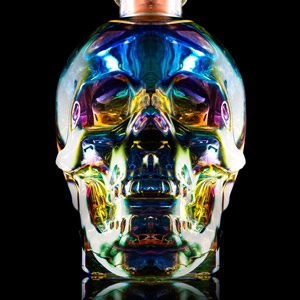
Commercial still life photography excels at one thing above all else: total control. Unlike portrait or landscape work, every element in the frame is placed deliberately. The photographer dictates the light, the angle, the background, and the mood without negotiating with weather, human subjects, or unpredictable environments. Hogan leverages this control to create images with almost painterly precision — his liquor bottle shots, for instance, use carefully sculpted light to make glass glow from within.
The genre also offers remarkable longevity. A well-executed still life product image can anchor a brand campaign for years without feeling dated. There are no hairstyles to age, no fashion trends to shift. The object simply exists in its most idealized form.
Where It Falls Short
The weakness is emotional range. Still life photography struggles to convey narrative urgency or human connection the way a portrait photographer like Joe McNally can. A beautifully lit perfume bottle tells the viewer nothing about who wears it or why. That gap is why commercial campaigns often pair still life hero shots with lifestyle imagery — each format compensates for the other's blind spots.
There is also the perception problem. Many viewers dismiss product photography as purely functional, missing the artistry involved. Hogan's career is itself an argument against that dismissal.
What It Costs to Produce High-End Still Life Imagery
Aspiring photographers and brand managers alike underestimate the investment behind top-tier commercial still life photography. Hogan's level of output requires not just talent but significant infrastructure. Studio rental, specialized grip equipment, post-production retouching, and prop styling all factor into the final budget.
Budget Tiers at a Glance
| Production Level | Typical Day Rate | Post-Production | Total Per Image | Common Use Case |
|---|---|---|---|---|
| Entry-Level | $500–$1,500 | Basic retouching | $200–$500 | E-commerce, small brands |
| Mid-Range | $2,500–$7,500 | Advanced compositing | $800–$2,000 | Magazine ads, packaging |
| Premium (Hogan tier) | $10,000–$30,000+ | Full CGI integration | $3,000–$10,000+ | Global campaigns, luxury brands |
The gap between tiers reflects more than just photographer fees. Premium shoots involve dedicated prop stylists, digital technicians, and sometimes weeks of pre-production planning before a single frame is captured. Hogan's Hennessy campaigns, for example, required custom-built sets and precise liquid management techniques to achieve their signature luminosity.
Essential Gear Behind Professional Still Life Shoots
Lighting Setups That Define the Look
Lighting is everything in still life work. Hogan frequently uses a combination of strobe and continuous lighting to sculpt objects with surgical precision. The key tools include softboxes for diffused fill, strip lights for edge definition on bottles and glassware, and black flags to subtract light and deepen shadows. His signature style — that dramatic chiaroscuro quality — owes as much to what he blocks as what he illuminates.
The difference between amateur and professional still life photography almost always comes down to light control — not the camera body, not the lens, but how precisely the photographer shapes shadow and highlight on the object's surface.
Camera and Lens Selection
Most high-end commercial still life photographers, Hogan included, work with medium format digital systems. Phase One and Hasselblad dominate this space, offering the resolution and dynamic range needed for large-format print reproduction. Macro lenses and tilt-shift optics handle the extreme close-ups and selective focus planes that define much of the genre. A still life photography setup at this level represents a significant capital investment, but the image quality difference is immediately visible.

Fine Art vs. Commercial Photography: Key Differences
Hogan occupies both worlds, which makes his career a useful lens for examining what actually separates fine art photography from commercial work. The distinction is less about technique and more about intent and audience.
In fine art, the photographer serves personal vision. The work answers to no brief, no brand guidelines, no marketing department. Commercial still life photography reverses that equation — the image must serve the client's objectives while still demonstrating craft. Hogan has described the tension as creatively productive rather than limiting. Constraints force invention.
Where the Two Worlds Overlap
The overlap is larger than most people assume. Composition, lighting mastery, and an eye for detail are non-negotiable in both disciplines. Artists like Takashi Murakami have demonstrated that commerce and art can coexist without diminishing either — Hogan operates on the same principle through photography. His commercial images regularly exhibit the tonal control and compositional balance found in gallery-exhibited fine art prints.

Timothy Hogan's Most Iconic Campaigns
Hogan's client roster reads like a brand hall of fame: Hennessy, Nike, Ray-Ban, Absolut Vodka, and dozens more. Each campaign showcases a different facet of commercial still life photography. The Hennessy work is all warmth and amber light, evoking luxury and tradition. The Nike product shots are cleaner, more graphic, emphasizing form and engineering. What unites them is Hogan's refusal to deliver generic catalog imagery — every frame carries a point of view.
His work for eyewear brands deserves particular attention. Photographing sunglasses is notoriously difficult because of the reflective surfaces. Every object in the studio, including the photographer, becomes visible in the lens. Hogan's solution involves meticulous environmental control and post-production precision, resulting in images where the glasses appear to exist in their own self-contained world. This approach shares sensibilities with photographers like Henri Cartier-Bresson, where the frame excludes everything except what matters.
The Fin Project: Personal Art from a Commercial Eye
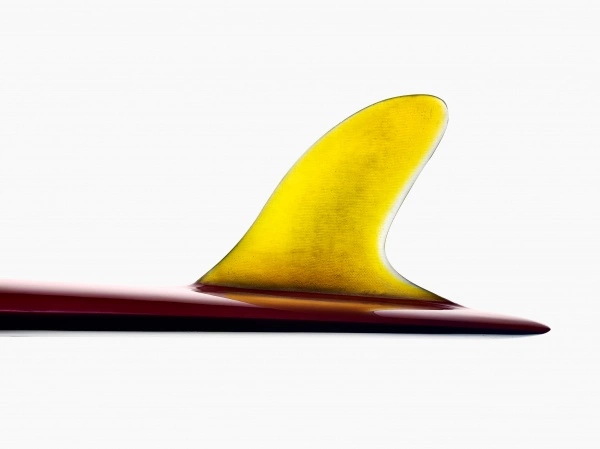
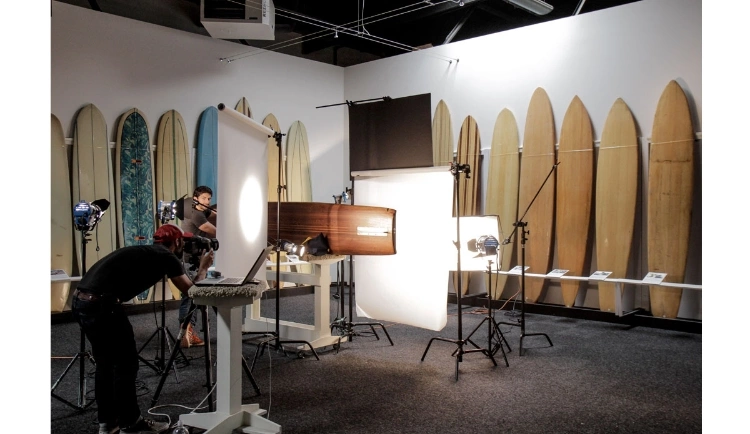
The Fin Project represents Hogan's most significant fine art endeavor. Over several years, he collected and photographed vintage surfboard fins, treating each one as a sculptural object worthy of the same lighting and compositional care he gives commercial products. The resulting images — stark, beautiful, and deeply personal — were published as a monograph and exhibited in galleries.
What makes The Fin Project instructive is how transparently it reveals the commercial still life skill set applied to personal expression. The lighting techniques are identical. The compositional discipline is the same. Only the motivation differs. Photographers like Réhahn Croquevielle demonstrate similar crossover between personal passion projects and professional mastery.
When Commercial Still Life Photography Works — and When It Doesn't
Ideal Scenarios
Commercial still life photography is the right choice when the product itself is the hero. Luxury goods, spirits, cosmetics, jewelry, and electronics all benefit enormously from this approach. Any product with interesting surface qualities — texture, reflectivity, translucency — gains visual impact under controlled studio lighting. Brands launching a new flagship product or building a premium identity should consider it essential rather than optional.
When Another Approach Serves Better
Products that derive value from context rather than form are poor candidates. A camping tent needs to be seen in the wilderness, not on a seamless white backdrop. Similarly, brands targeting younger demographics often find that lifestyle and user-generated content outperforms polished studio work on social platforms. The precision of commercial still life photography can read as cold or corporate when the audience craves authenticity. Knowing when to deploy each approach is as important as mastering the technique itself.
Frequently Asked Questions
What makes Timothy Hogan's commercial photography distinctive?
Hogan brings fine art sensibilities to commercial assignments. His lighting technique creates a chiaroscuro effect that gives everyday products a sculptural, almost painterly quality. He also invests heavily in pre-production, often building custom sets and spending days refining a single composition before shooting.
How long does a typical commercial still life photo shoot take?
A single-product hero shot at the premium level can take one to three days, including setup, test shots, and final capture. Simpler e-commerce shoots may produce dozens of images in a single day, but the creative and technical demands of high-end work require significantly more time per frame.
Can commercial still life photography be considered fine art?
Absolutely. The genre shares compositional principles with centuries of still life painting tradition. Photographers like Hogan demonstrate that commercial intent does not preclude artistic merit — his Fin Project moved seamlessly from studio product techniques into gallery exhibition without any change in core methodology.
What is the most important skill for commercial still life photographers?
Light control. The ability to sculpt highlights and shadows on a product's surface determines whether an image looks professional or amateurish. Camera equipment matters, but mastery of strobes, modifiers, flags, and reflectors is what separates working professionals from hobbyists.
Final Thoughts
Timothy Hogan's career demonstrates that commercial still life photography, done with intention and artistry, stands alongside any other photographic discipline in creative merit. For anyone drawn to this field — whether as a photographer, a brand manager, or simply an appreciator of visual craft — the next step is straightforward: study the light. Pick up a single object, a single light source, and spend an afternoon learning how shadow and highlight transform something ordinary into something worth looking at. That practice, repeated over years, is exactly what built Hogan's career.


About David Fox
David Fox is an artist and writer whose work spans painting, photography, and art criticism. He created davidcharlesfox.com as a platform for exploring the history, theory, and practice of visual art — covering everything from Renaissance masters and modernist movements to contemporary works and the cultural context that shapes how art is made and received. At the site, he covers art history, architecture, anime art and culture, collecting guidance, and profiles of influential artists across centuries and movements.
Now get FREE Gifts. Or latest Free phones here.
Disable Ad block to reveal all the secrets. Once done, hit a button below