Réhahn Croquevielle – A French Photographer Capturing Vietnamese Culture
by David Fox
What drives a French photographer to leave Europe behind and dedicate decades to documenting Vietnamese culture? For Réhahn Croquevielle, the answer lies in the faces, traditions, and vanishing customs of Vietnam's 54 ethnic minorities. As a French photographer Vietnamese culture enthusiast and full-time resident of Hội An since 2011, Réhahn has built one of the most comprehensive photographic records of Southeast Asian heritage in existence. His work sits at the intersection of art history and ethnographic documentation — a combination that has earned him international recognition and a permanent museum in central Vietnam.
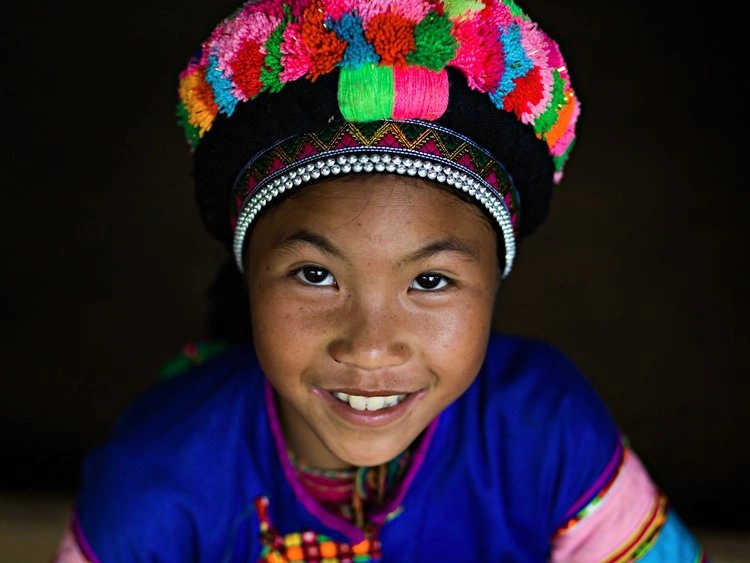
Born in Bayeux, Normandy, Réhahn first visited Vietnam in 2007 during a charity trip. That initial encounter with the country's landscapes and people changed the trajectory of his career. He returned repeatedly before relocating permanently, trading commercial photography assignments in France for full-time cultural documentation in Southeast Asia.
His portrait-driven approach draws comparisons to Steve McCurry's photojournalism, though Réhahn's method differs in one critical respect: he builds long-term relationships with his subjects, often returning to the same communities over many visits. The result is a body of work that feels intimate rather than observational.
Contents
When Réhahn's Approach Works — and When It Doesn't
Réhahn's method of spending extended time within communities produces striking results, but it is not universally applicable. Understanding the boundaries helps contextualize the French photographer Vietnamese culture legacy he has built.
Ideal Subjects and Scenarios
- Ethnic minority elders — individuals with deep knowledge of fading customs, traditional clothing, and oral histories
- Rural communities with limited prior media exposure, where trust-building yields candid, unguarded expressions
- Cultural events such as festivals, harvest rituals, and marriage ceremonies that unfold over multiple days
- Artisan workshops where craftspeople demonstrate weaving, dyeing, or instrument-making traditions
Limitations of the Portrait-First Method
- Urban Vietnamese culture — street food scenes, nightlife, modern architecture — falls outside Réhahn's primary focus
- Conflict or political documentation is absent from the body of work
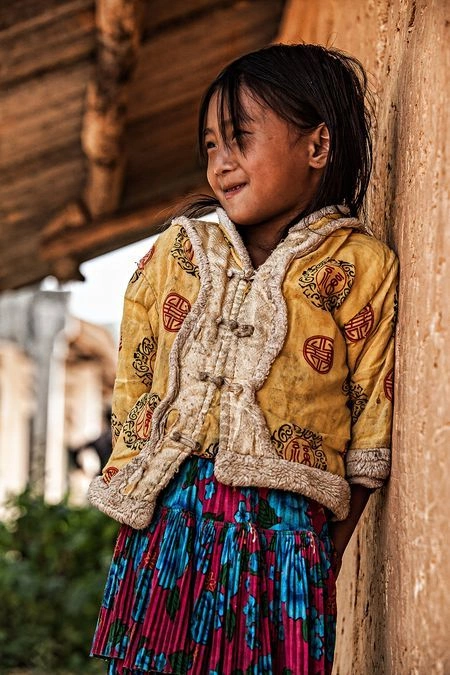
- The emphasis on traditional dress can, in some readings, present communities as frozen in time rather than evolving
Photographers like Henri Cartier-Bresson favored fleeting, unplanned encounters. Réhahn operates at the opposite end of the spectrum — his portraits are deliberate, composed, and often pre-arranged with community leaders.
Best Practices in Cultural Portrait Photography
Réhahn's career offers a practical blueprint for anyone interested in ethically documenting cultures outside their own. These practices have shaped how a French photographer Vietnamese culture project evolved from personal curiosity into a recognized institution.
Building Trust Before the Shutter Clicks
- Visit a community multiple times before bringing a camera
- Work with local translators and community liaisons who can explain the photographer's intentions
- Show finished prints to subjects on return visits — Réhahn regularly gifts framed portraits
- Ask permission explicitly, even when cultural norms might not require it
- Compensate communities directly through material support, not just payment for posing
Pro insight: Réhahn's practice of returning printed portraits to his subjects has proven to be one of the most effective trust-building tools in cross-cultural photography — it transforms the dynamic from extraction to exchange.
Ethical Framing and Representation
A persistent question in ethnographic photography is whether outsiders can represent a culture without distorting it. Réhahn addresses this by:
- Allowing subjects to choose their own clothing and setting
- Avoiding staged "poverty" compositions that exploit hardship for emotional impact
- Publishing captions that name individuals and their communities, rather than using generic labels
- Collaborating with Vietnamese cultural institutions on exhibition curation
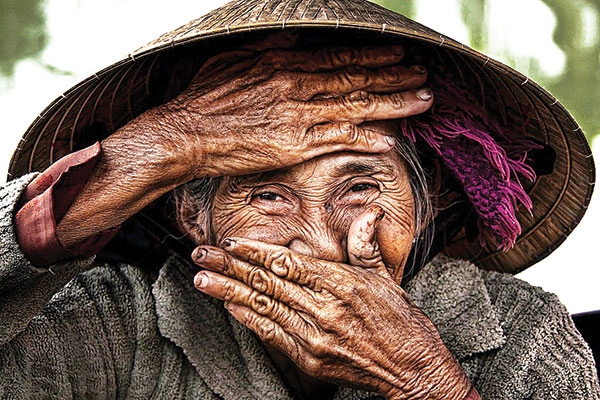
This approach parallels the relationship-driven documentary work seen in Joe McNally's emotionally connected photography, though applied to an entirely different cultural context.
Réhahn's Long-Term Preservation Strategy
Most photographers publish books or exhibit in galleries. Réhahn went further — he built permanent infrastructure in Vietnam to house and share his work.
The Precious Heritage Museum
- Located in Hội An's Old Town (a UNESCO World Heritage Site)
- Displays portraits of all 54 Vietnamese ethnic groups
- Includes authentic artifacts — clothing, tools, instruments — donated by or purchased from the communities
- Free admission, funded by print sales and book revenue
- Acts as both art gallery and ethnographic archive
The museum model is notable because it keeps the work physically located in Vietnam rather than in European or American institutions. This decision reflects a broader trend in cultural preservation — returning documentation to the communities it depicts.
The Giving Back Project
Réhahn launched a charitable initiative alongside his photography, focusing on:
- Delivering school supplies to remote highland communities
- Funding infrastructure improvements in villages he photographs
- Purchasing traditional garments at fair prices to prevent their sale to foreign collectors
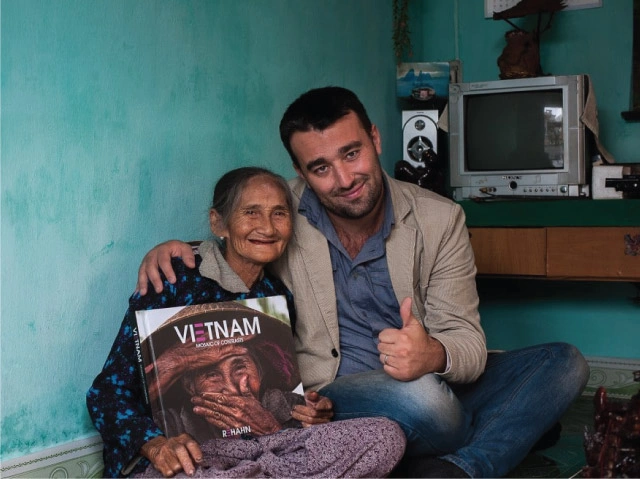
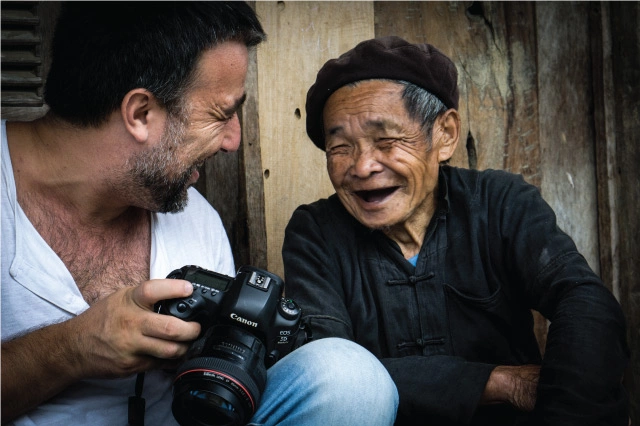
The Giving Back Project demonstrates how a French photographer Vietnamese culture mission can extend beyond image-making into tangible community support — a model that contrasts with the "parachute journalism" approach common in travel photography.
Quick Wins from Réhahn's Technique
Not every lesson from Réhahn's career requires years of dedication. Several of his methods can improve portrait work immediately.
Composition Tips Anyone Can Apply
- Use natural light exclusively — Réhahn rarely uses flash, preferring doorways, windows, and open shade
- Fill the frame with the subject's face and upper body; environmental context comes from clothing and expression, not wide establishing shots
- Shoot at eye level or slightly below to convey dignity rather than dominance
- Wait for moments between posed expressions — the transition often reveals the most authentic look
- Use a shallow depth of field to separate the subject from busy backgrounds
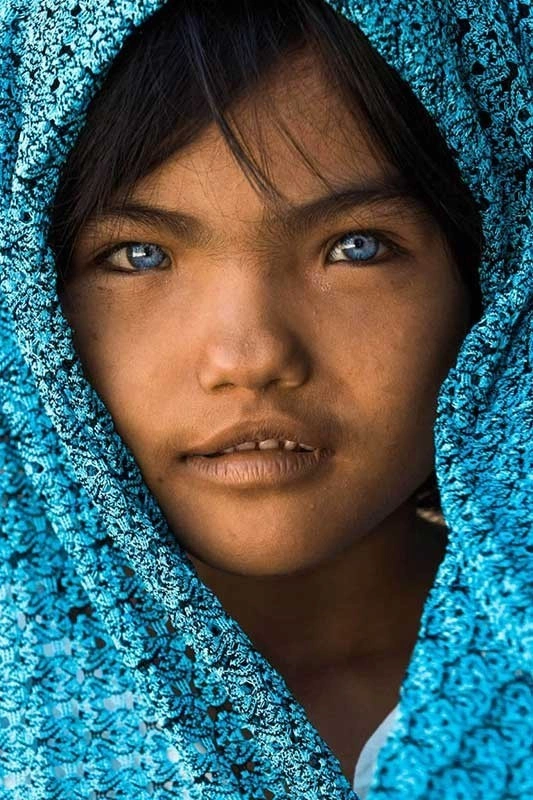
Tip: Réhahn often shoots during the "golden hour" (the first and last hour of sunlight), but his best-known portraits use soft, diffused light from overcast skies or shaded doorways — proof that dramatic lighting is not required for powerful portraits.
These techniques echo principles visible in the street photography philosophy discussed in Rob Skeoch's approach to candid shooting.
Tools and Equipment Behind the Images
Réhahn's gear choices reflect a professional who prioritizes portability and reliability in remote field conditions over studio precision.
Camera Gear and Field Setup
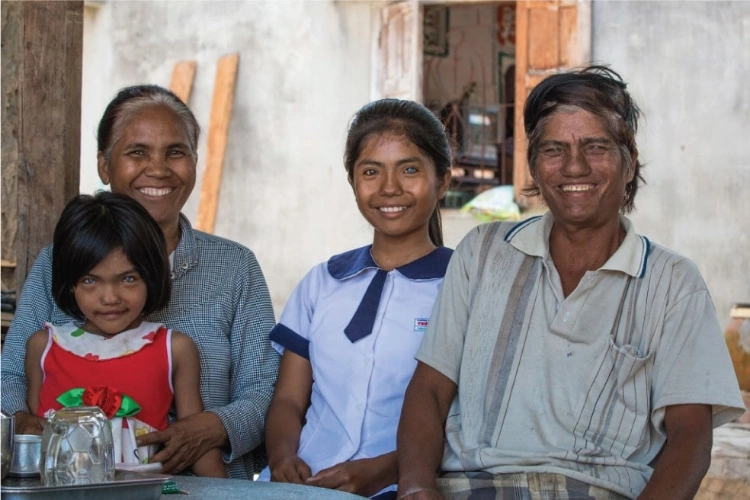
- Primary body: Nikon DSLR system (D810, later D850)
- Go-to lens: 85mm f/1.4 for tight portraits with creamy bokeh
- Wide option: 24-70mm f/2.8 for environmental portraits and group scenes
- No studio lighting — all work uses ambient or reflected natural light
- Minimal post-processing; color grading stays true to the original scene
Post-Processing Philosophy
Unlike heavily stylized photographers such as Jason M. Peterson's high-contrast black and white work, Réhahn applies a light touch in editing:
- Minor exposure and white balance corrections
- Subtle sharpening for print output
- No heavy color grading, HDR effects, or compositing
- The goal is documentary accuracy — the image should reflect what the eye saw
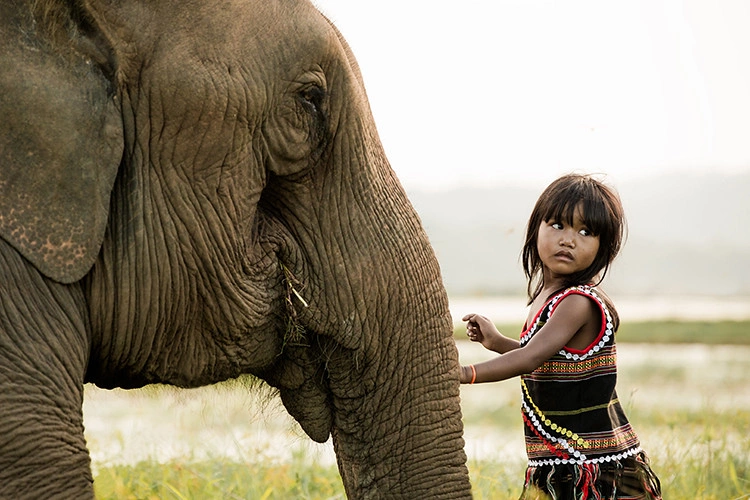
Strengths and Critiques of Réhahn's Work
Any artist working across cultural boundaries faces scrutiny. Here is a balanced assessment of how this French photographer Vietnamese culture project has been received.
Impact at a Glance
| Dimension | Strengths | Critiques |
|---|---|---|
| Cultural access | Documented all 54 ethnic groups — a rare achievement | Access mediated through guides may filter what is shown |
| Representation | Subjects named and credited individually | Focus on traditional dress can suggest static cultures |
| Community impact | Giving Back Project provides material support | Charitable framing can reinforce power imbalances |
| Artistic merit | Technically precise, emotionally resonant portraits | Aesthetic consistency may limit range of expression |
| Preservation | Free museum in Vietnam keeps work locally accessible | Artifacts removed from communities, even with consent, raise questions |
| Commercial model | Print sales fund museum and charity work | High-end art market pricing limits local ownership of prints |
The tensions in Réhahn's work mirror broader debates in art history about outsider perspectives shaping cultural narratives. Neither the praise nor the criticism tells the full story — the work exists in a space where documentation and interpretation overlap.
Frequently Asked Questions
Where can visitors see Réhahn's photography in person?
The Precious Heritage Museum in Hội An, Vietnam, is the primary venue. It displays portraits of all 54 Vietnamese ethnic groups alongside authentic cultural artifacts. Admission is free. Réhahn also exhibits in international galleries periodically, with shows previously held in Paris, New York, and Singapore.
How does Réhahn fund his cultural documentation projects?
Revenue comes primarily from limited-edition fine art print sales, photography books, and workshop fees. The Precious Heritage Museum operates as a free public gallery, supported by this commercial income. The Giving Back Project accepts direct donations and channels a portion of print revenue to community support initiatives.
What distinguishes Réhahn's portraits from typical travel photography?
Three factors separate the work: long-term relationship building with subjects (often spanning multiple visits over several months), consistent crediting of individuals by name and community, and the creation of a permanent local archive rather than publishing exclusively for foreign audiences. Most travel photographers spend hours in a location; Réhahn spends years.
Next Steps
- Visit the Precious Heritage Collection online — browse Réhahn's complete portfolio organized by ethnic group to understand the scope of Vietnamese cultural diversity he has documented.
- Compare cross-cultural photography approaches — read about Tomasz Gudzowaty's documentary work across global communities to see how different photographers navigate the ethics of representing cultures outside their own.
- Apply one technique this week — choose a single lesson from Réhahn's method (natural light only, eye-level shooting, or returning prints to subjects) and practice it in a local portrait session.
- Research Vietnam's 54 ethnic groups — understanding the Hmong, Dao, Chăm, and other minorities provides essential context for appreciating why this photographic record matters as a preservation tool.


About David Fox
David Fox is an artist and writer whose work spans painting, photography, and art criticism. He created davidcharlesfox.com as a platform for exploring the history, theory, and practice of visual art — covering everything from Renaissance masters and modernist movements to contemporary works and the cultural context that shapes how art is made and received. At the site, he covers art history, architecture, anime art and culture, collecting guidance, and profiles of influential artists across centuries and movements.
Now get FREE Gifts. Or latest Free phones here.
Disable Ad block to reveal all the secrets. Once done, hit a button below