Creating Digital Artwork with the iPad Pro and Apple Pencil – An Interview with Marco Pedrosa
by David Fox
Over 72% of professional illustrators now use a tablet as their primary creative tool, and creating digital artwork with iPad Pro has become one of the most accessible entry points into that world. Our team recently sat down with Marco Pedrosa — a digital artist, painter, and illustrator whose work bridges traditional technique and modern technology — to explore how the iPad Pro and Apple Pencil have reshaped his creative process. For anyone interested in art history and the evolution of artistic tools, this conversation offers a fascinating look at where centuries of craft meet silicon and glass.
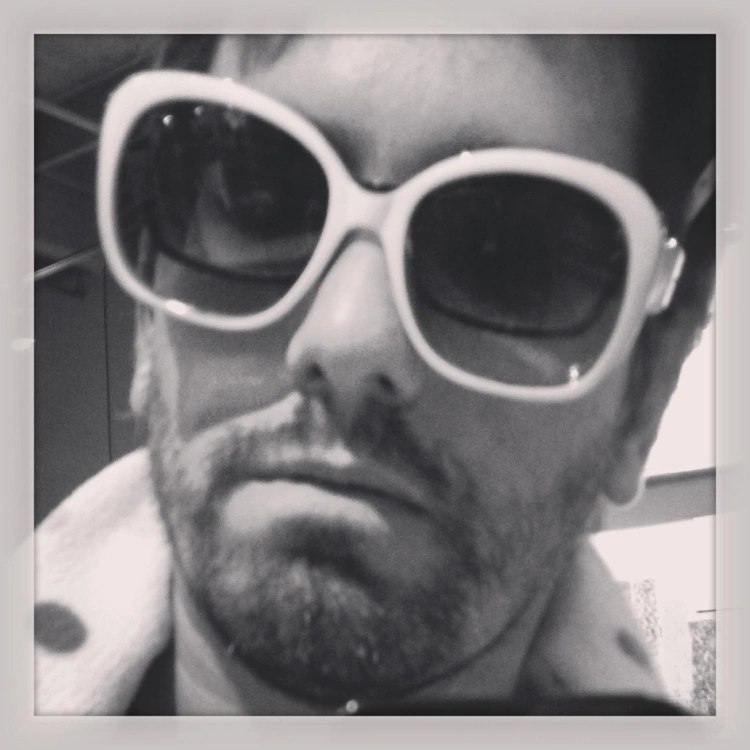
Marco's journey is not unlike what we have seen among many contemporary artists who straddle the analog-digital divide. He trained in traditional painting and illustration, building a foundation in color theory, anatomy, and composition long before picking up a stylus. That grounding shows in his iPad work — each piece carries the warmth and intentionality of someone who learned to mix pigments by hand. Our conversation covered everything from his favorite apps to the mistakes he made early on, and we have distilled those insights here for artists at every level.
Digital art itself has a surprisingly rich lineage. The first known computer-generated artwork dates back to the early 1960s, and institutions like the Victoria and Albert Museum have been collecting digital pieces for decades. Marco sees his iPad work as part of that continuum — not a break from tradition, but an extension of it.
Contents
- Essential Tips for Creating Digital Artwork with iPad Pro
- Common Pitfalls Marco Learned the Hard Way
- Inside Marco's Creative Process: Real Projects
- Best Practices for a Professional iPad Workflow
- What It Actually Costs to Get Started
- Beginner Setup vs. Advanced Studio Configuration
- iPad Art Apps: A Quick Comparison
- Frequently Asked Questions
- Next Steps
Essential Tips for Creating Digital Artwork with iPad Pro
When we asked Marco what advice he would give someone just starting out with creating digital artwork with iPad Pro, he didn't hesitate: "Learn the tool, but don't let it replace your eye." The iPad Pro's pressure sensitivity, tilt recognition, and low-latency response make it remarkably close to drawing on paper — but only if the settings are configured thoughtfully.
Dialing In Brush Settings
Marco spends the first session with any new app adjusting brush dynamics. Most people overlook this step entirely and end up fighting the default settings for months. In Procreate, for instance, the StreamLine setting smooths out shaky lines, which is invaluable for inking but counterproductive for loose sketching. Our team has found that spending even twenty minutes customizing three or four core brushes saves enormous frustration later. Marco keeps a "sketch" brush with zero StreamLine, a "clean line" brush at about 40%, and a textured painting brush that responds primarily to pressure rather than tilt.
Layer Management That Saves Hours
One practice Marco emphasized repeatedly is disciplined layer use. He separates line work, base colors, shading, and highlights onto individual layers — a habit borrowed from traditional animation cels. This approach makes revisions painless. Need to shift the color palette? Adjust the base color layer without touching the line work. It sounds basic, but our experience suggests that most intermediate artists still flatten too early and regret it.
Common Pitfalls Marco Learned the Hard Way
Every digital artist accumulates a personal library of mistakes, and Marco was refreshingly honest about his. These pitfalls are worth studying because they tend to repeat across skill levels.
Overworking a Piece Digitally
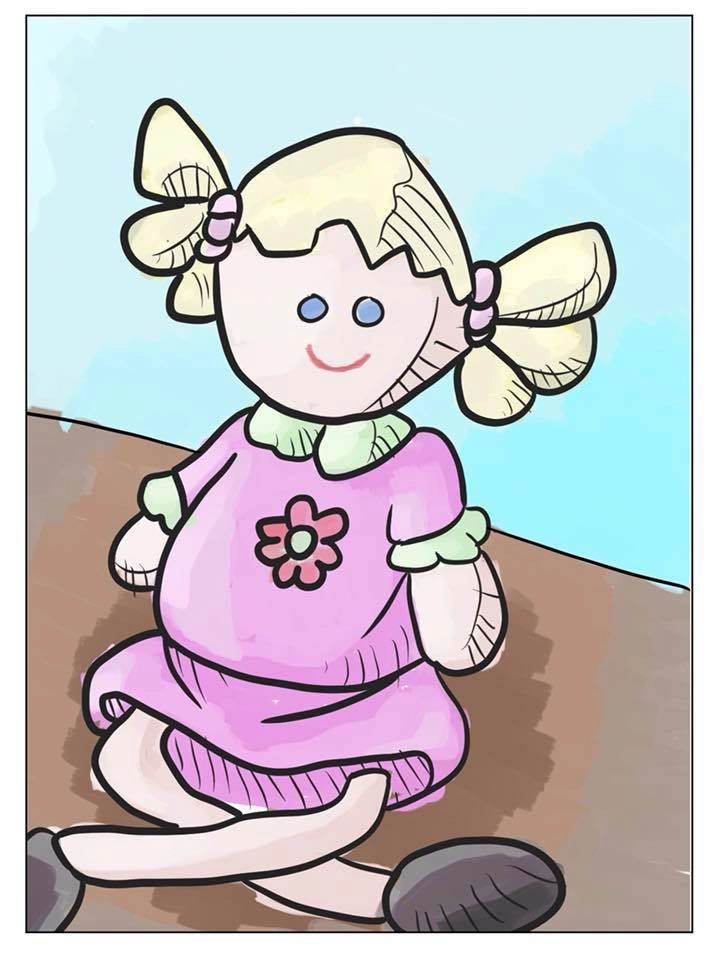
The unlimited undo button is both a gift and a trap. Marco described spending six hours refining a portrait only to realize the version from hour two was stronger. Digital tools make it dangerously easy to over-polish. His solution is simple: he exports a snapshot every 30 minutes and reviews them side by side before calling a piece finished. Artists working in other digital mediums — much like the deliberate compositional choices seen in cartoon design and character development — benefit from knowing when to stop.
Skipping Traditional Fundamentals
Marco has seen talented digital newcomers produce technically clean work that lacks depth because they never studied light, form, or anatomy traditionally. The iPad doesn't teach anyone how to see — it only records what the hand does. Our team agrees that a few months of life drawing or studying the masters pays dividends that no app subscription can match.
Pro Insight: Marco keeps a physical sketchbook alongside his iPad. Whenever he feels stuck digitally, he switches to pencil and paper for fifteen minutes. The constraint resets his creative instincts every time.
Inside Marco's Creative Process: Real Projects
We asked Marco to walk us through a recent commission from start to finish. The piece was a stylized portrait — bold lines, limited palette, heavy texture. He started with rough thumbnail sketches directly on the iPad using a flat pencil brush, spending about twenty minutes exploring three compositions before committing. The chosen sketch got refined on a separate layer, then he blocked in color underneath using large, loose strokes.
What struck our team was how much his process mirrors traditional oil painting. He works dark to light, builds up opacity gradually, and saves fine detail for the very end. The Apple Pencil's pressure curve, which he has customized to feel slightly "heavier" than default, gives him the resistance he wants. The final piece took roughly eight hours spread across three sessions — a pace he considers typical for creating digital artwork with iPad Pro at a professional level.
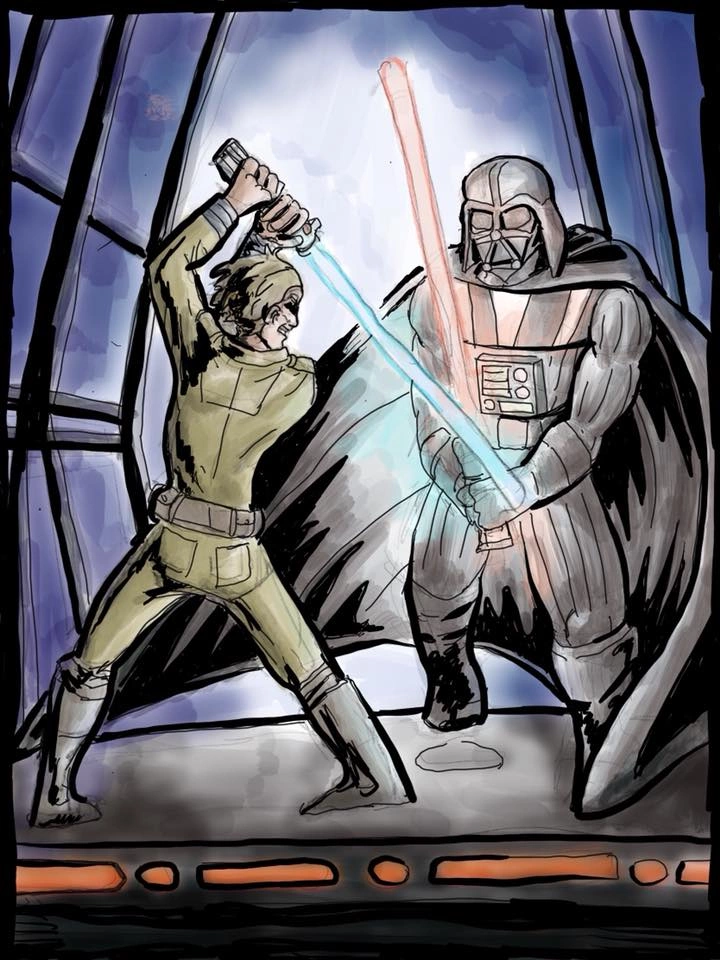
Marco's color choices often reflect an awareness of art historical movements. The bold palettes and graphic flatness in some of his work echo strategies explored across movements from the Bauhaus to Pop Art — something anyone familiar with the differences between Abstract Expressionism and Pop Art will recognize immediately. He borrows freely, citing Lichtenstein's dot patterns and De Kooning's gestural energy as recurring influences.
Best Practices for a Professional iPad Workflow
Beyond the art itself, Marco has refined a set of workflow habits that keep his practice sustainable. He backs up every project file to cloud storage immediately after each session — iPad storage limits have cost him work before. He also maintains a naming convention for files that includes the client name, date stamp, and version number, making it simple to locate any iteration months later.
Color calibration is another area most people overlook. The iPad Pro's Liquid Retina display is excellent, but it is not a calibrated monitor. Marco exports test prints regularly to check how his digital colors translate to paper. For anyone producing work destined for print — gallery pieces, book illustrations, merchandise — this step is non-negotiable. Our team has seen beautiful digital paintings turn muddy on paper because the artist never checked.
He also recommends an ergonomic setup that might surprise people: a standalone drawing tablet as a secondary device for longer sessions. The iPad excels for portability and quick work, but extended hours benefit from a larger drawing surface and an adjustable stand.
What It Actually Costs to Get Started
One of the most practical parts of our conversation was Marco's breakdown of startup costs. The barrier to entry for creating digital artwork with iPad Pro is significantly lower than traditional setups — no studio space, no ventilation for solvents, no ongoing supply costs. Here is a realistic budget overview.
| Item | Budget Option | Professional Option | Notes |
|---|---|---|---|
| iPad Pro | $799 (11-inch) | $1,199 (13-inch) | Larger screen reduces zooming fatigue |
| Apple Pencil | $129 (2nd gen) | $129 (Pro) | Pro adds squeeze gesture and haptics |
| Primary App | $13 (Procreate, one-time) | $12/mo (Adobe Fresco + Photoshop) | Procreate has no subscription |
| Screen Protector | $10 (standard matte) | $40 (Paperlike) | Adds paper-like friction for drawing |
| Case / Stand | $30 | $80 (adjustable studio stand) | Angle matters for long sessions |
| Cloud Storage | Free (50 GB iCloud) | $10/mo (2 TB) | Large canvas files add up quickly |
| Total | ~$981 | ~$1,458 + $22/mo |
Compare that to a traditional oil painting setup — quality paints, brushes, canvases, easel, solvents, and a ventilated workspace — and the iPad route is remarkably economical. Marco pointed out that his entire portable studio fits in a backpack.
Beginner Setup vs. Advanced Studio Configuration
For someone just starting out, Marco recommends keeping things minimal. An iPad Pro, the Apple Pencil, and Procreate. That is it. No additional apps, no brush packs, no accessories beyond a basic case. The goal at the beginning is to build comfort with the device and develop a feel for digital mark-making without drowning in options.
An advanced setup looks quite different. Marco's current configuration includes the 13-inch iPad Pro on an adjustable drafting stand, a Paperlike screen protector for texture, AirPods for reference audio while painting, and Sidecar connecting to a Mac for final edits in Photoshop. He runs Procreate for illustration work and Adobe Fresco for projects requiring vector brushes or cross-platform compatibility. His custom brush library has grown to over 200 brushes, though he admits he uses about fifteen regularly.
The key difference between beginner and advanced is not the hardware — it is workflow sophistication. Advanced users build systems around their tools. They have file management habits, color profiles, export presets, and backup routines that make the creative part feel effortless because the administrative part is automated.
iPad Art Apps: A Quick Comparison
Marco has tested nearly every major art app available on the platform. Our team asked him to rank the top options across several categories that matter most to working artists. No single app dominates every category, which is why many professionals — Marco included — use two or three in rotation.
- Procreate — best for illustration and painting. One-time purchase, massive community brush library, intuitive gesture controls. Limited vector support.
- Adobe Fresco — best for mixed media. Live brushes simulate watercolor and oil convincingly. Subscription model. Strong Photoshop integration.
- Clip Studio Paint — best for comics and manga. Powerful panel layout tools, vector layers, animation timeline. Popular in Japan and increasingly worldwide.
- Affinity Designer 2 — best for vector illustration. One-time purchase, full vector and raster persona, professional-grade output.
Marco's advice here mirrors what we have heard from artists featured in previous conversations, including insights from painting and art-making app reviews: pick one app, learn it deeply, and only add another when a specific project demands capabilities the first app lacks. App-hopping is the digital equivalent of buying supplies instead of painting.
Frequently Asked Questions
Can the iPad Pro fully replace a desktop setup for professional digital art?
For most illustration and painting work, yes. Marco completes roughly 80% of his commissions entirely on the iPad Pro. Final print preparation and very large canvas sizes (above 8000 x 8000 pixels) may still benefit from desktop software, but the gap narrows with each hardware generation.
Which Apple Pencil works best for creating digital artwork with iPad Pro?
The Apple Pencil Pro offers the most features, including a squeeze gesture for quick tool switching and haptic feedback. The second-generation Apple Pencil remains excellent and is functionally identical for drawing. Either one delivers the low-latency precision that professional work demands.
How does the Paperlike screen protector affect the drawing experience?
It adds a subtle tooth to the glass surface, mimicking the friction of pencil on paper. Marco considers it essential for illustration work. The trade-off is a very slight reduction in screen clarity, which most artists find negligible compared to the improved drawing feel.
Is Procreate good enough for professional client work?
Absolutely. Marco uses Procreate for the majority of his commissions. It supports high-resolution canvases, CMYK color profiles for print, PSD export, and time-lapse recording — all features professional clients expect. The one-time purchase model also makes it the most economical professional option available.
How long does it take to transition from traditional to digital art?
Based on our conversations with multiple artists, the technical adjustment takes two to four weeks of daily practice. Developing a natural feel — where the tool disappears and the art takes over — typically takes three to six months. Artists with strong traditional foundations tend to adapt faster because the fundamentals transfer directly.
What canvas size and resolution should most people use?
For print work, Marco recommends a minimum of 300 DPI at the intended output size. For social media and web use, 3000 x 3000 pixels at 150 DPI covers most needs while keeping layer counts high. Larger canvases reduce the number of available layers in Procreate, so there is a practical trade-off to consider.
Does digital art hold value in galleries and the art market?
The market has shifted considerably. Digital prints, NFTs, and hybrid physical-digital works now appear in major galleries worldwide. Marco has sold limited-edition prints of his iPad work through galleries, and collectors increasingly accept digital provenance. The medium matters less than the vision behind it.
Next Steps
- Try a single app for two weeks straight. Download Procreate or Adobe Fresco and commit to completing three finished pieces before evaluating whether the tool fits. Resist the urge to switch apps during this trial period.
- Replicate a traditional master study on the iPad. Pick a painting from an artist like Kandinsky or De Kooning and recreate it digitally. This exercise builds both technical familiarity with the device and a deeper understanding of color, composition, and brushwork.
- Set up a backup and naming system before the first serious project. Create a cloud folder structure with client or project names, date stamps, and version numbers. Losing work to a missing backup is the most preventable disaster in digital art.
- Join one online community focused on iPad art. Platforms like the Procreate forum or dedicated subreddits offer critique, brush sharing, and workflow tips from thousands of working artists. Learning in isolation slows progress significantly.


About David Fox
David Fox is an artist and writer whose work spans painting, photography, and art criticism. He created davidcharlesfox.com as a platform for exploring the history, theory, and practice of visual art — covering everything from Renaissance masters and modernist movements to contemporary works and the cultural context that shapes how art is made and received. At the site, he covers art history, architecture, anime art and culture, collecting guidance, and profiles of influential artists across centuries and movements.
Now get FREE Gifts. Or latest Free phones here.
Disable Ad block to reveal all the secrets. Once done, hit a button below