What Is Street Art? Its History, Definition, Purpose, and Importance
by David Fox
What exactly is street art, and why does it provoke such passionate debate among art historians, city planners, and the general public alike? The answer is more nuanced than most people assume. What is street art at its core is visual artwork created in public spaces — murals, stencils, wheat-paste posters, yarn bombing, and large-scale installations that transform urban environments into open-air galleries. Unlike traditional gallery art, street art exists at the intersection of creative expression and public discourse, making it one of the most accessible and contested art forms in modern art history. From the subway cars of New York to the alleyways of Melbourne, this genre has evolved from an act of rebellion into a globally recognized cultural movement.

Street art's roots stretch back further than the spray-can era of the 1970s, with markings on trains and public walls documented as early as the 1920s. The movement gained critical momentum when artists like Jean-Michel Basquiat transitioned from tagging New York City walls under the moniker SAMO© to commanding six-figure prices in prestigious galleries. That trajectory — from unauthorized public expression to blue-chip art market darling — encapsulates the tension that defines street art to this day.
Understanding street art requires examining its misconceptions, its relationship to vandalism, the practical realities of creating and preserving it, how it compares to related art forms, and its long-term cultural significance. The sections below address each of these dimensions with concrete examples and data.
Contents
Common Myths About Street Art — Separated from Fact
Misconceptions about what is street art persist in mainstream discourse, often reducing the entire movement to illegal spray-painting. These myths obscure the diversity and intentionality behind the genre, and they deserve direct correction.
Street Art Is Not Simply Vandalism
The most persistent myth equates all street art with criminal property damage. While unauthorized application of paint to a surface technically constitutes vandalism in most jurisdictions, this framing ignores several critical distinctions:
- Intent matters — vandalism aims to deface or damage, while street art aims to communicate, beautify, or provoke thought.
- Many street artists work with explicit permission from property owners, city councils, or cultural organizations.
- Commissioned mural programs exist in over 300 cities worldwide, according to the Wikipedia entry on street art.
- Property owners in neighborhoods like Bushwick (Brooklyn) and Shoreditch (London) actively seek street artists to increase foot traffic and property appeal.
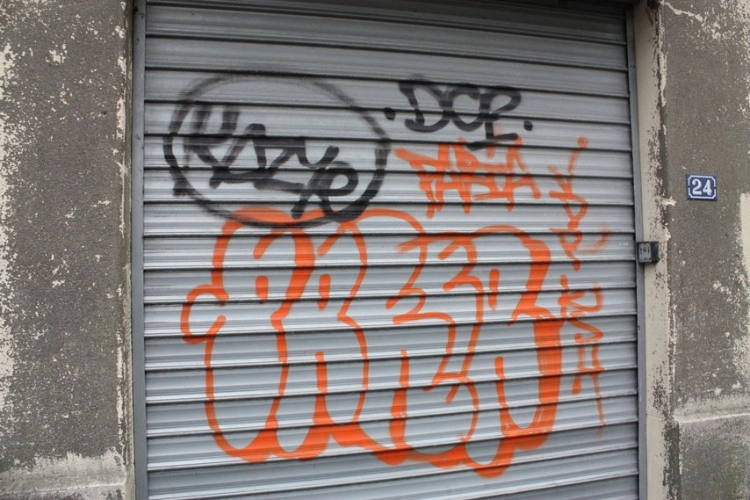
Key distinction: The line between street art and vandalism often depends on context, permission, and artistic intent — not simply on whether paint was applied to a wall.
Not All Street Artists Are Anonymous
Banksy's secretive identity has created a widespread assumption that anonymity defines the practice. In reality, the majority of prominent street artists operate openly under their real names or well-known pseudonyms. Artists like Shepard Fairey, Os Gemeos, and JR maintain active social media presences, sign gallery contracts, and give public lectures. The anonymous model represents one approach among many, not a defining characteristic of the movement.
Navigating the Challenges of Street Art Preservation
Street art's impermanence is both its philosophical strength and its practical weakness. For collectors, historians, and communities that value specific works, the challenges of keeping street art intact are considerable and multifaceted.
The Legal Gray Area
Artists and property owners frequently encounter confusing and contradictory regulations around public art. Common issues include:
- Municipal codes that treat all unauthorized public markings identically, regardless of artistic merit or community support.
- Copyright disputes over who owns an image painted on someone else's building — the artist or the property owner.
- The Visual Artists Rights Act (VARA) in the United States, which grants certain moral rights to artists but applies inconsistently to street works.
- Removal orders that destroy culturally significant pieces without community input or advance notice.
The 2018 5Pointz case in New York remains a landmark ruling, with a federal judge awarding $6.75 million to 21 aerosol artists after a developer whitewashed their works without proper notification. That decision established legal precedent that street art can qualify for protection under VARA, even when created on private property with the owner's original permission.
Weathering and Urban Decay
Unlike gallery works protected by climate control and conservation specialists, street art faces constant environmental assault from UV radiation, rain, pollution, and temperature fluctuations. Anti-graffiti coatings can extend the life of murals, but they alter the surface texture and sometimes the color profile of the original work. Some artists, including Banksy, have stated that impermanence is an essential feature rather than a flaw — the work exists in time, not for eternity.
Preservation paradox: Encasing street art behind protective glass or removing it to a gallery fundamentally changes its meaning, since the relationship between the artwork and its specific urban environment is part of the piece itself.
Engaging with Street Art: Practical Starting Points
For those new to street art appreciation — whether as observers, collectors of prints, or aspiring artists — several accessible entry points exist that require minimal investment of time or money.
Finding Street Art in Any City
- Use dedicated apps and maps — platforms like Street Art Cities catalog tens of thousands of murals globally with GPS coordinates and artist attribution.
- Search for local mural festivals — events like POW! WOW!, MURAL Festival (Montreal), and Upfest (Bristol) concentrate dozens of new works in walkable areas.
- Explore industrial and transitional neighborhoods where landlords are more receptive to large-scale wall paintings.
- Follow local street art photographers on social media, who often document new works within hours of completion.
- Check with city arts councils, which increasingly maintain public art registries that include authorized street works.
Documenting and Supporting the Movement
Documentation plays a vital role in street art's cultural survival, given the ephemeral nature of most works. Photography, video tours, and archival projects preserve pieces that weather, development, or rival artists may eliminate within weeks or months. Supporting the movement extends beyond passive observation:
- Purchasing limited-edition prints directly from artists funds future public projects.
- Attending gallery shows by street artists signals market demand for the genre, as seen in the career arcs of artists like the Young British Artists, who similarly blurred boundaries between establishment and outsider art.
- Advocating for local mural programs at city council meetings helps create legal frameworks that benefit both artists and property owners.
Street Art vs. Graffiti vs. Public Art: A Side-by-Side Breakdown
The terms "street art," "graffiti," and "public art" are frequently used interchangeably, but they describe distinct practices with different histories, methods, and legal standings. The following table clarifies what is street art relative to its closest relatives.
Key Differences at a Glance
| Attribute | Street Art | Graffiti | Public Art |
|---|---|---|---|
| Primary Medium | Murals, stencils, wheat-paste, installations | Spray paint, markers (lettering-focused) | Sculpture, murals, functional design |
| Permission | Mixed — ranges from guerrilla to fully commissioned | Typically unauthorized | Always commissioned or sanctioned |
| Audience Intent | General public — aims for broad accessibility | Primarily other graffiti writers | General public — civic engagement |
| Legal Status | Varies widely by context and jurisdiction | Illegal in most jurisdictions | Fully legal — often government-funded |
| Typical Scale | Building-sized murals to small stencils | Tags to full train cars | Permanent large-scale installations |
| Art Market Presence | Growing — galleries, auctions, prints | Limited — primarily subcultural | Institutional — public commissions |
| Historical Origin | Late 1960s Philadelphia/New York | Ancient (Pompeii, Roman walls) | Ancient (civic monuments, fountains) |
Where the Boundaries Blur
These categories resist clean separation because practitioners regularly cross boundaries. Basquiat began as a graffiti tagger, evolved into a street artist, and eventually produced work acquired by major museums — the trajectory of a single career spanning all three categories. Similarly, the Dadaist movement's rejection of conventional art institutions shares philosophical DNA with street art's challenge to gallery gatekeeping, even though the two movements emerged decades apart.
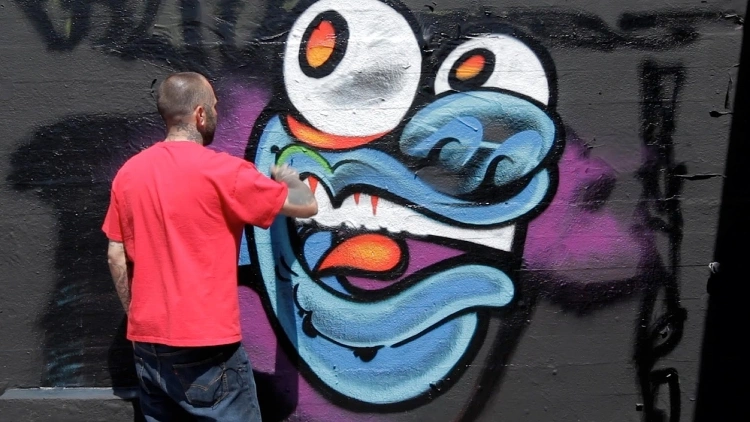
Worth noting: Many contemporary street artists deliberately resist categorization, viewing rigid labels as antithetical to the movement's core ethos of creative freedom and public accessibility.
The Long-Term Cultural Impact of Street Art
Street art's influence now extends far beyond painted walls, reshaping urban planning, real estate economics, tourism, and institutional art collection practices in measurable ways.
Street Art, Gentrification, and Community Identity
The relationship between street art and gentrification remains one of the movement's most contentious dynamics. The pattern is well-documented across cities worldwide:
- Artists move into affordable neighborhoods with available wall space and permissive landlords.
- Murals and creative activity attract media attention, foot traffic, and cultural cachet to the area.
- Property values rise as developers market the neighborhood's "creative energy" and "authentic character."
- Rising rents eventually displace both the original community residents and the artists themselves.
This cycle has played out in Wynwood (Miami), Williamsburg (Brooklyn), Hackney Wick (London), and dozens of other neighborhoods. Some communities have responded with protective measures, including community land trusts, artist housing subsidies, and mural programs that prioritize local artists over international names brought in by developers.
Institutional Recognition and Market Value
The art establishment's embrace of street art has accelerated dramatically over the past two decades. Major museums including the Tate Modern, MOCA Los Angeles, and the Brooklyn Museum have mounted significant street art exhibitions. Auction results tell a parallel story — Banksy's Love is in the Bin sold for £18.6 million at Sotheby's, and works by KAWS, Invader, and Fairey regularly appear in major auction house catalogs.
This institutional acceptance creates a productive tension with street art's anti-establishment origins, one that mirrors earlier debates around movements like Expressionism, which also challenged prevailing aesthetic norms before being absorbed into the mainstream canon. Whether that absorption represents validation or co-optation depends largely on the observer's perspective and relationship to the art market.
Key Takeaways
- Street art is a broad category of visual art created in public spaces — encompassing murals, stencils, installations, and more — that is distinct from both graffiti and formally commissioned public art.
- Legal protections for street art remain inconsistent globally, but landmark cases like 5Pointz have established that unauthorized works can carry enforceable artistic rights.
- The movement's cultural impact extends well beyond aesthetics, influencing urban development patterns, real estate economics, and the institutional art market in measurable ways.
- Engaging with street art — through documentation, print purchasing, or advocacy for local mural programs — supports a genre that makes contemporary art accessible to everyone, not just gallery visitors.


About David Fox
David Fox is an artist and writer whose work spans painting, photography, and art criticism. He created davidcharlesfox.com as a platform for exploring the history, theory, and practice of visual art — covering everything from Renaissance masters and modernist movements to contemporary works and the cultural context that shapes how art is made and received. At the site, he covers art history, architecture, anime art and culture, collecting guidance, and profiles of influential artists across centuries and movements.
Now get FREE Gifts. Or latest Free phones here.
Disable Ad block to reveal all the secrets. Once done, hit a button below